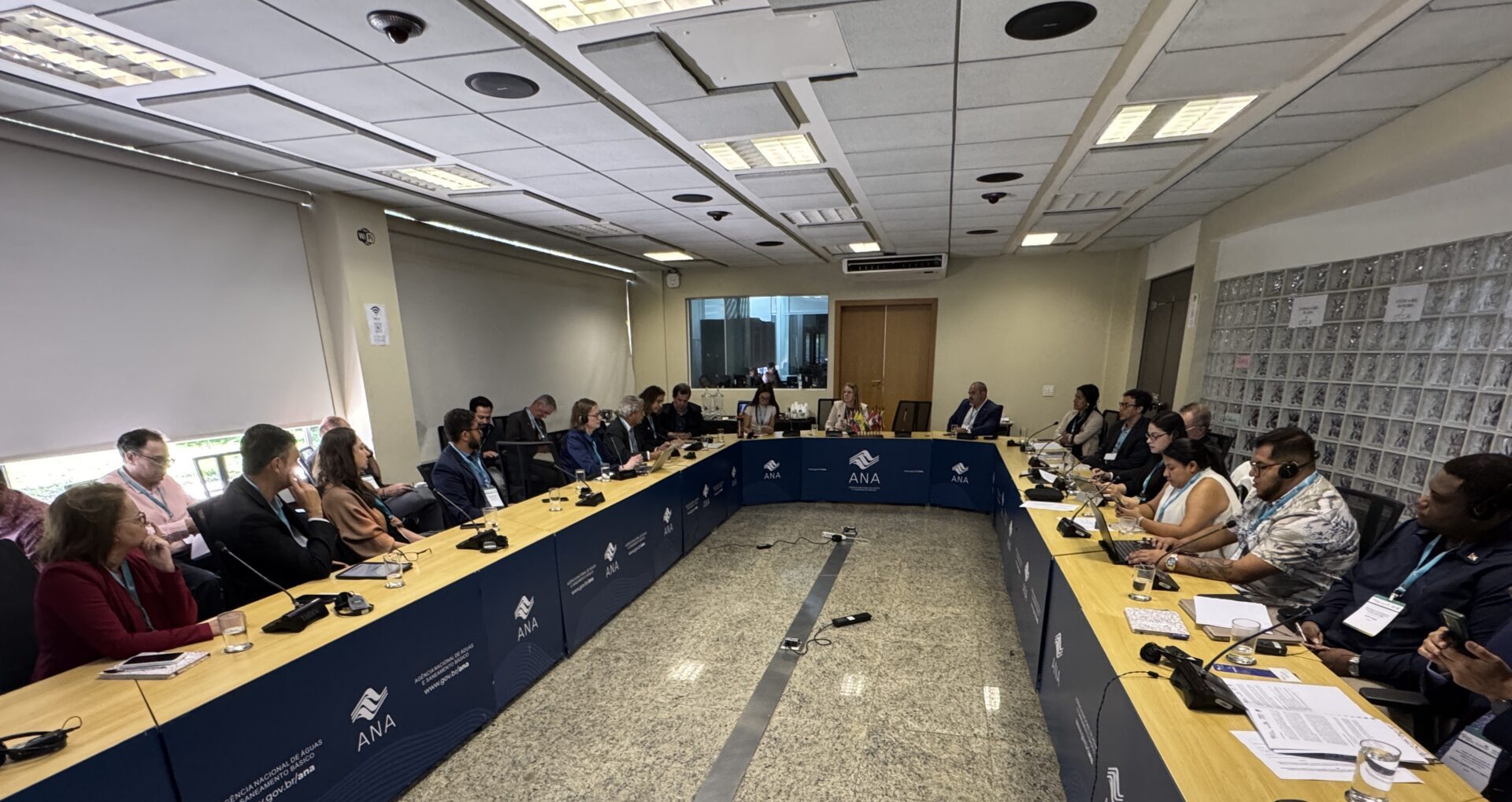
On December 11, the Amazon Basin Project (ACTA/UNEP/GEF) held a Seminar on the Exchange of Cooperation Experiences for the Management of Transboundary River Basins at the headquarters of the National Water and Basic Sanitation Agency (ANA-Brazil) in Brasilia. bringing together regional organisms responsible for the management of important shared river basins in Latin America, the Caribbean, and Europe, with the aim of sharing good practices and strengthening cooperation as a direct contribution to the advancement of the Permanent Coordination Mechanism for Integrated Water Resources Management (IWRM) within the framework of ACTO.
The meeting brought together experiences related to the management of important transboundary river basins, such as the Amazon basin, where Integrated Water Resources Management (IWRM) is led by ACTO; the La Plata basin, shared by Argentina, Bolivia, Brazil, Paraguay, and Uruguay and managed within the framework of the Intergovernmental Coordinating Committee of the La Plata Basin Countries (CIC Plata); the Danube basin, which crosses 14 countries in Europe, with cooperation is coordinated by the International Commission for the Protection of the Danube River (ICPDR); the upper Lempa River basin in Central America, managed by the Trifinio Plan; and the Rhine basin in Western Europe, under the International Commission for the Hydrology of the Rhine Basin (CHR/Deltares), in addition to the regional experience of the Caribbean Biodiversity Fund.
Strategic exchange within the framework of RADA
The presentations made by representatives of the participating river basin organisms were addressed to members of the Amazon Water Authorities Network (RADA), an ACTO coordination space dedicated to institutional and capacity building for water governance, as well as support for the conservation and protection of water resources and the Amazon basin.
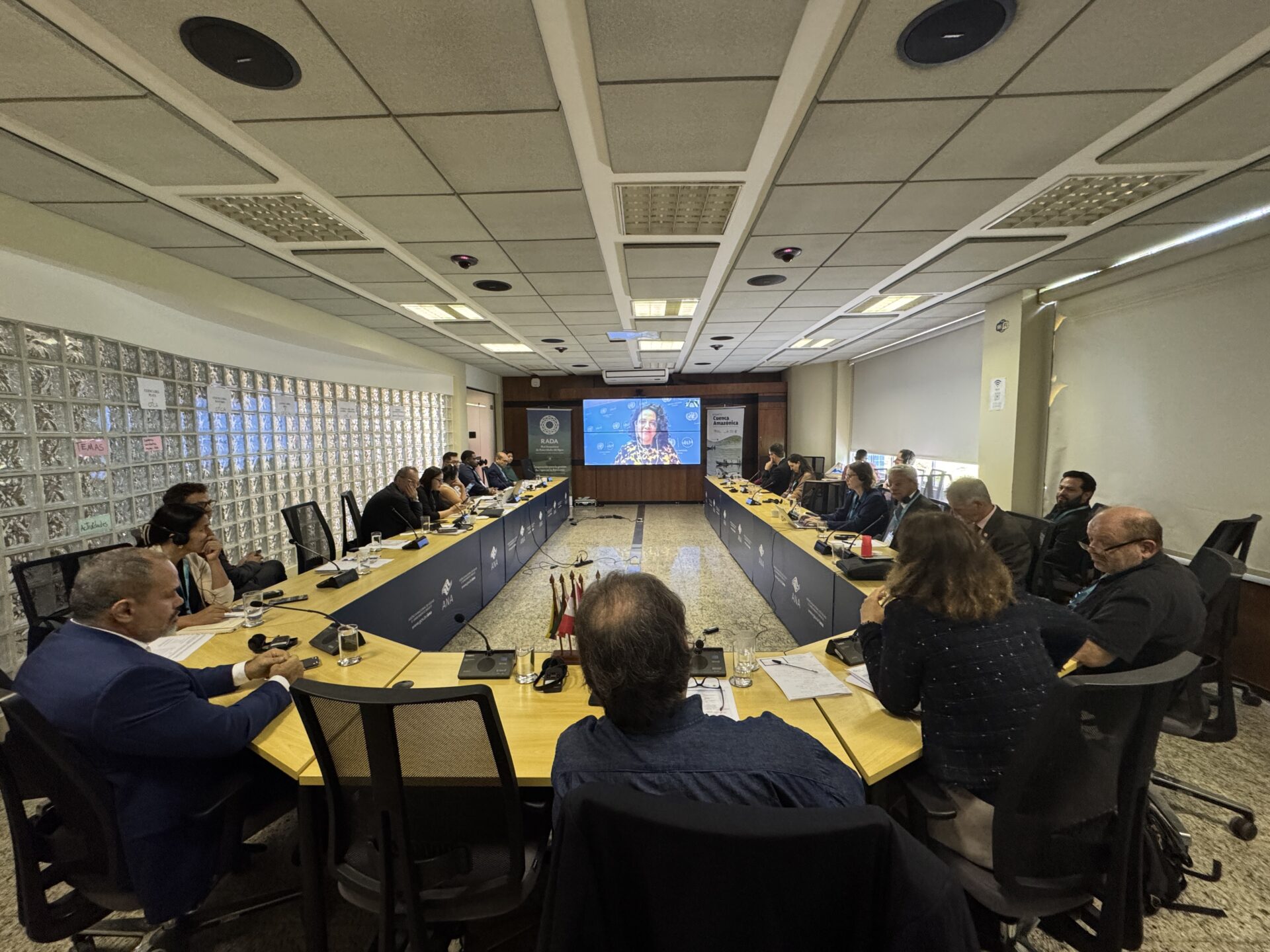
At the opening of the event, ACTO Executive Director Vanessa Grazziotin emphasized that the initiative is fundamental to advancing the development of the Permanent Coordination Mechanism for Integrated Water Resources Management (IWRM) within the Organization.
-

- Salão
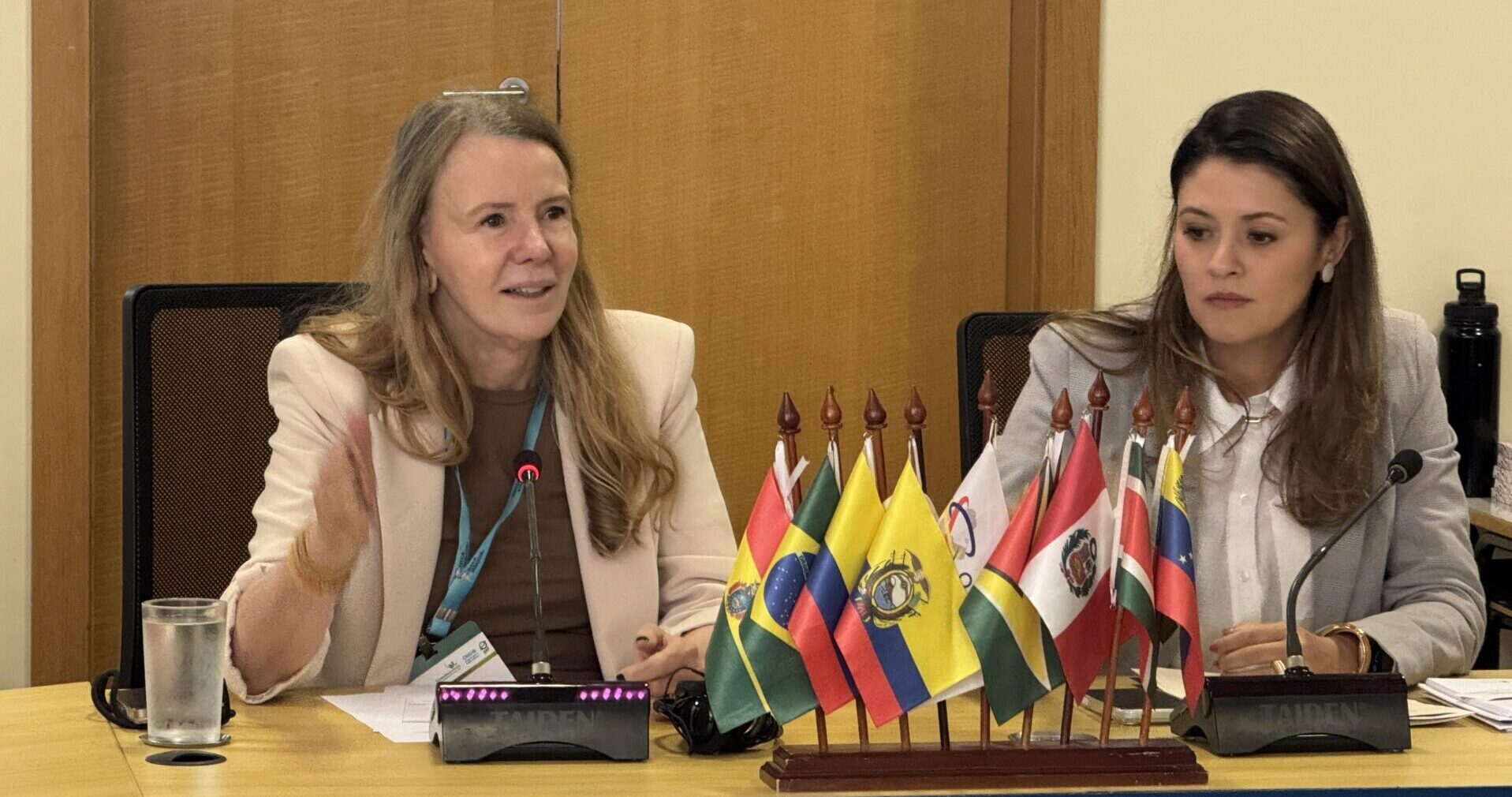
“Facilitating the exchange of international and national experiences is essential to advance the construction of the Permanent Coordination Mechanism for IWRM at ACTO and to strengthen the approach to the Amazon basin as a unit of water planning and management,” she said.
The exchange provided technical and conceptual contributions that will serve as the basis for the work of the Amazon Water Authorities Network (RADA) aimed at preparing a White Paper, which will systematize the conceptual and operational framework of the Permanent Coordination Mechanism for IWRM. As a result of the seminar, the Amazon Basin Project will organize the publication and dissemination of a summary document that will bring together the main lessons learned and contributions from the meeting.
Amazon and La Plata Basin: focus on hydroclimatic interdependence
Ambassador Gonçalo Mello Mourão, General Secretary of CIC Plata, presented the experience of cooperation in the La Plata Basin, with an emphasis on the decision-making support tools developed within the organization.
After his presentation, RADA members expressed particular interest in furthering the dialogue on the hydroclimatic relationship between the Amazon and the La Plata Basin, proposing a workshop or webinar on the La Plata Basin Decision Support System (SSTD), a key instrument of CIC Plata created in 2008.
The SSTD integrates hydrometeorological information generated by more than 700 monitoring stations belonging to national institutions, offering real-time data, a shared view of the basin, and allowing for the anticipation of risks, coordination of responses, and decision-making based on scientific evidence and regional consensus.
Ambassador Gonçalo Mello Mourão highlighted CIC Plata’s interest in exchanging experiences and methodologies related to the Amazon Regional Observatory (ARO) and the use of the Atlas of Hydroclimatic Vulnerability of the Amazon Basin, which is currently being updated by the Amazon Basin Project.
The Atlas, a collection of 60 thematic maps, aims to contribute to the knowledge and understanding of the Amazon territory, addressing socioeconomic vulnerability, physical vulnerability, and exposure to extreme weather events such as droughts and floods.
Public participation and early warning: the Danube experience
Hélène Masliah-Gilkarov, technical expert in public participation and communication at the International Commission for the Protection of the Danube River (ICPDR), presented the experience of the Commission, which was created under the Convention for the Protection of the Danube (1998). The Commission brings together 14 countries and the European Union, with more than 30 years of cooperation, and operates in a river basin where approximately 79 million people live.
Among the topics of interest identified by RADA for further exchange of experiences are public participation, information transparency, communication strategies, and Early Warning Systems (EWS) to address the impacts of climate change. “Early warning systems are one of the topics that most interest the public because they directly connect water management with people’s safety and daily lives,” said the expert, also highlighting the role of the Commission’s technical working groups.
Multilevel governance and science for water diplomacy: Trifinio Plan
The Tri-national Executive Secretary of the Trifinio Plan, Liseth Hernández, presented the experience of cooperation between El Salvador, Guatemala, and Honduras in the Trifinio Region, located in the upper basins of the Lempa and Motagua rivers.
The topics of greatest interest to RADA included multilevel governance, hydrodiplomacy, the link between science and public policy, and the strengthening of scientific networks to support decision-making. Liseth Hernández emphasized the approach of community participation and social fabric, highlighting that: “People are at the center of water management. Access to water is a right, and governance must be built from the local to the regional level.”
Climate adaptation, glaciers, and “green water”: the Rhine experience
Judith ter Maat, representative of Deltares and member of the International Commission for the Hydrology of the Rhine Basin, presented technical advances in hydrological models, water quality monitoring, early warning systems, droughts, and climate change adaptation plans. Among the topics that aroused the greatest interest from RADA were methodologies for monitoring glacier retreat, analyses of points of no return, the Fonte -A-Mar approach, and methodologies associated with the concept of “green water,” understood as water stored in the soil and used by vegetation, which is essential for climate regulation, food security, and ecosystem resilience.
Innovative financing and water funds: the Caribbean as a reference
The Technical Officer of the Caribbean Biodiversity Fund, Tadzio Bervoets, presented the experience of the BLUEFin Project, focused on marine conservation and sustainable financing. RADA members expressed interest in learning about fundraising strategies, innovative financial products, experience in creating solidarity credit cards, and water funds as mechanisms to ensure the financial sustainability of water conservation and management initiatives.
RADA members highlight the value of the exchange
For Óscar Puerta Luchini, Director of Integrated Water Resources Management at the Colombian Ministry of Environment and Sustainable Development and a full member of RADA, the exchange allowed for broader reflection on water management in complex and transboundary contexts.
“This exchange invites us to reflect on alternative ways of understanding integrated water and aquatic ecosystem management in the context of Amazonian cooperation. In addition to climate models, what is fundamental is how we act: how we use long-term scenarios to anticipate risks, guide decisions, and link water management and its cycle with forests and sustainable development,” he said.
Puerta Luchini also highlighted the importance of knowing how other transboundary basins have managed to make sovereign decisions within regional cooperation frameworks, as a reference for strengthening water governance in the Amazon.
Hanny Quispe, head of the water resources planning team and specialist in transboundary water resources management at the National Water Authority of Peru, and member of the RADA Technical Panel (PTA), highlighted the proactive nature of the seminar.
“It was a very enriching workshop to strengthen technical and scientific knowledge and share experiences. As countries, we are committed to promoting a dialogue that evolves into concrete benefits for the populations,” she said.
Quispe stressed the need to delve deeper into issues such as glacier retreat, early warning systems, transparency, and the fluid and accessible exchange of data, emphasizing that “information cannot remain stored; it must circulate to support decision-making and strengthen water management for the benefit of our populations.”
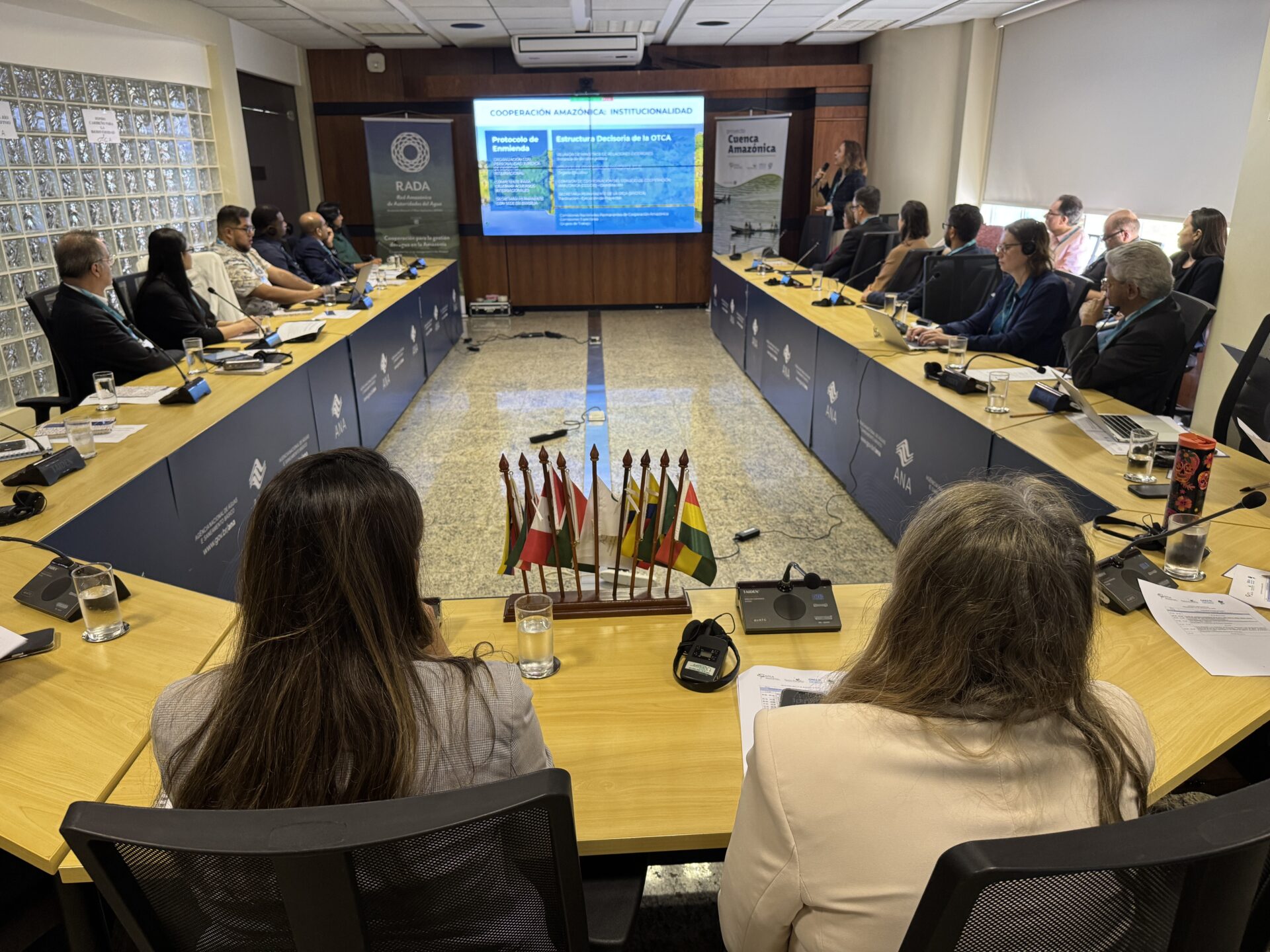
Presentation by Maria Apostolova, Regional Coordinator of the Amazon Basin Project - Implementation of the PAE.
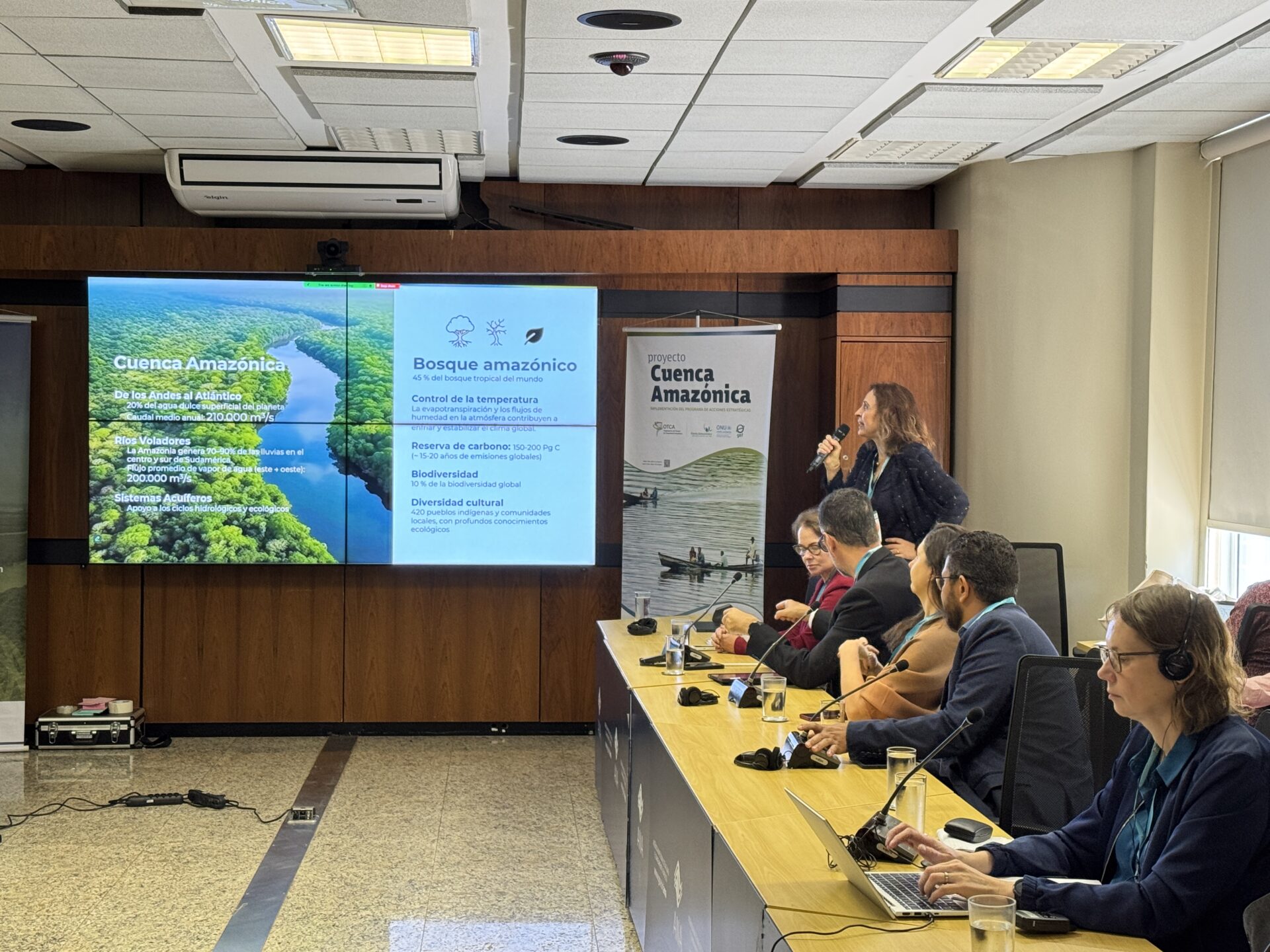
Maria Apostolova, Regional Coordinator of the Amazon Basin Project - Implementation of the PAE.
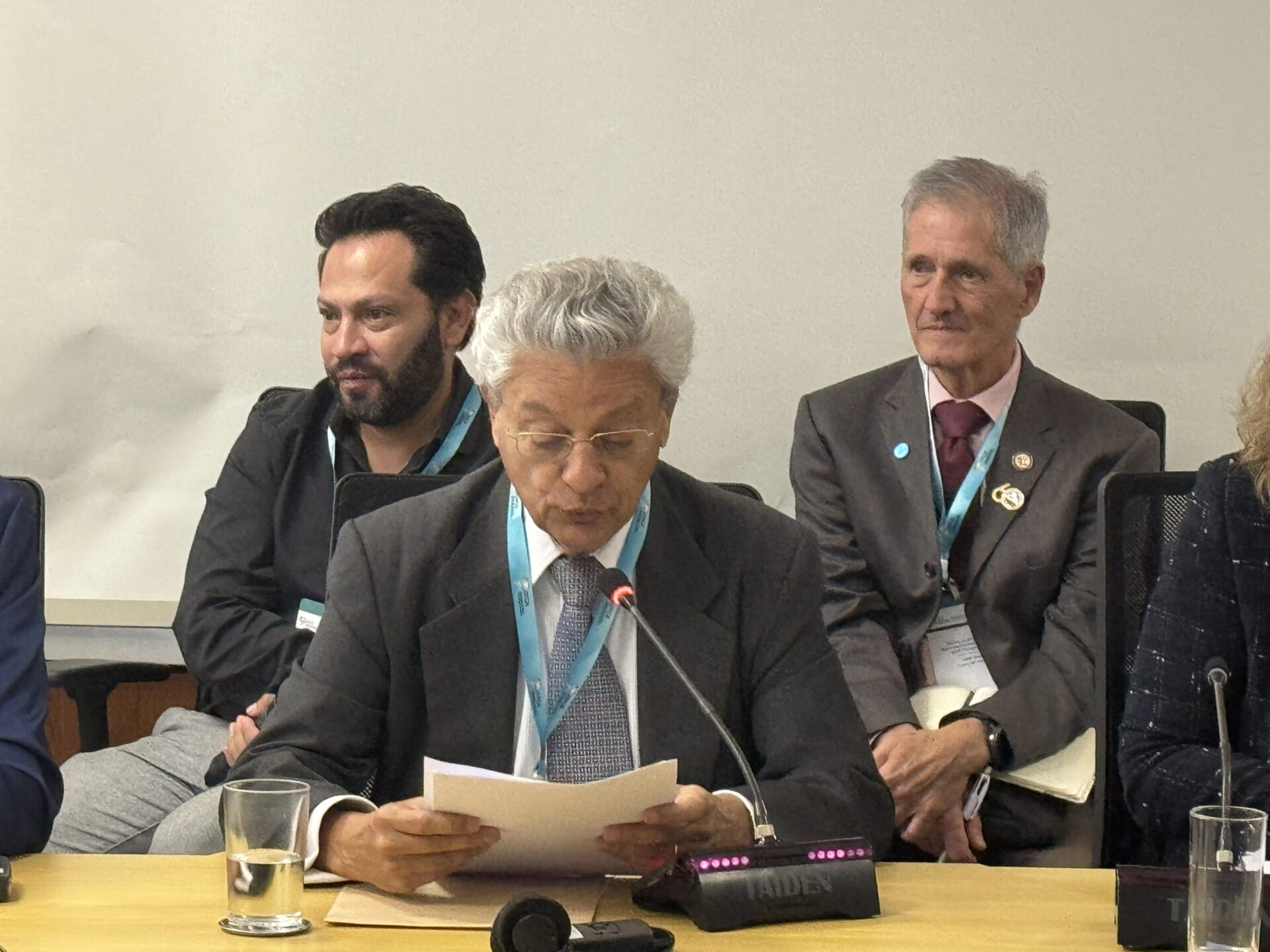
Ambassador Gonçalo Mello Mourão, General Secretary of CIC Plata.
Presentation by Hélène Masliah-Gilkarov, Technical Expert on Public Participation and Communication at the International Commission for the Protection of the Danube River (ICPDR).
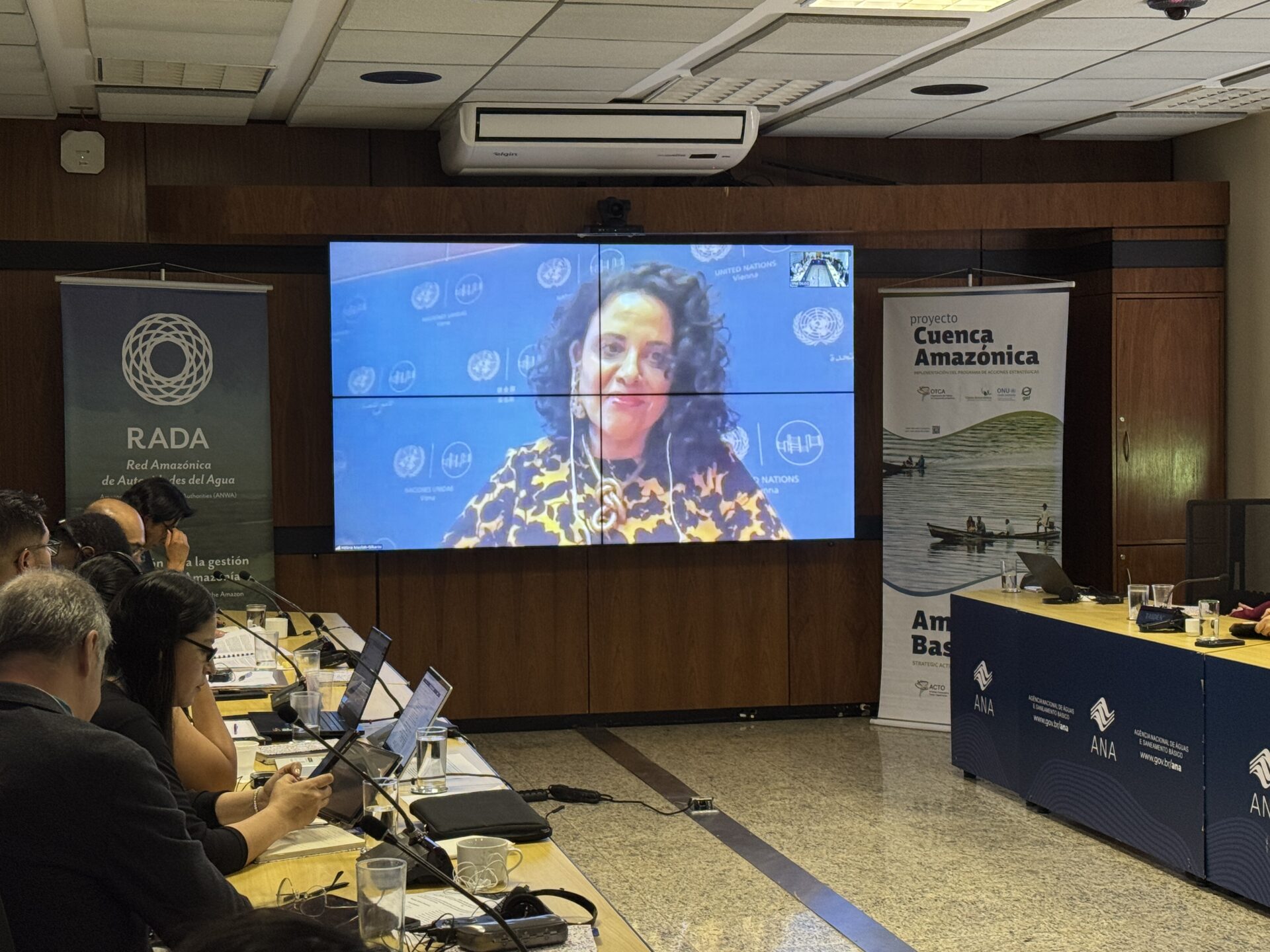
Hélène Masliah-Gilkarov, Technical Expert on Public Participation and Communication at the International Commission for the Protection of the Danube River (ICPDR).
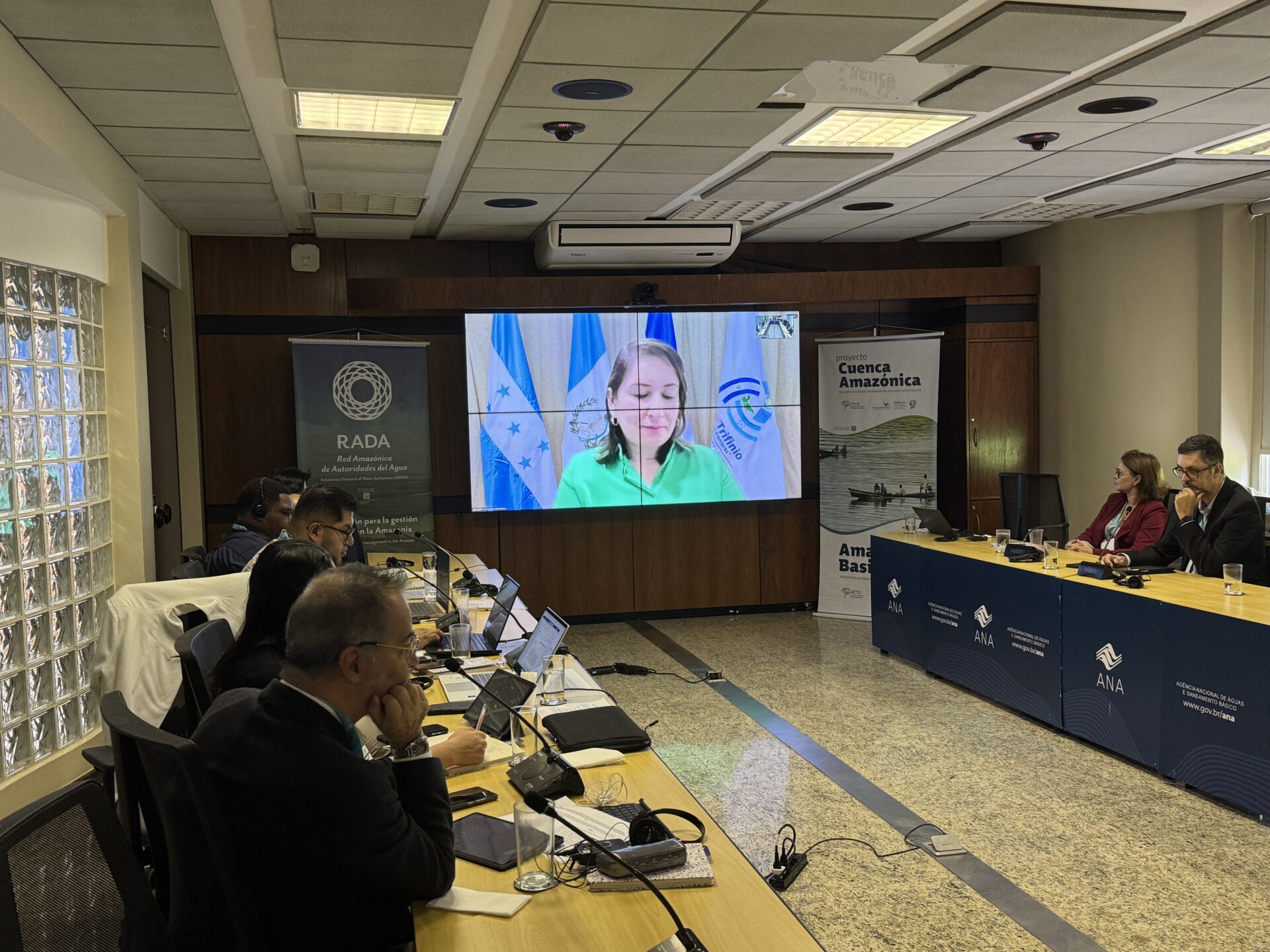
Presentation by Liseth Hernández, Tri-national Executive Secretary of the Trifinio Plan.
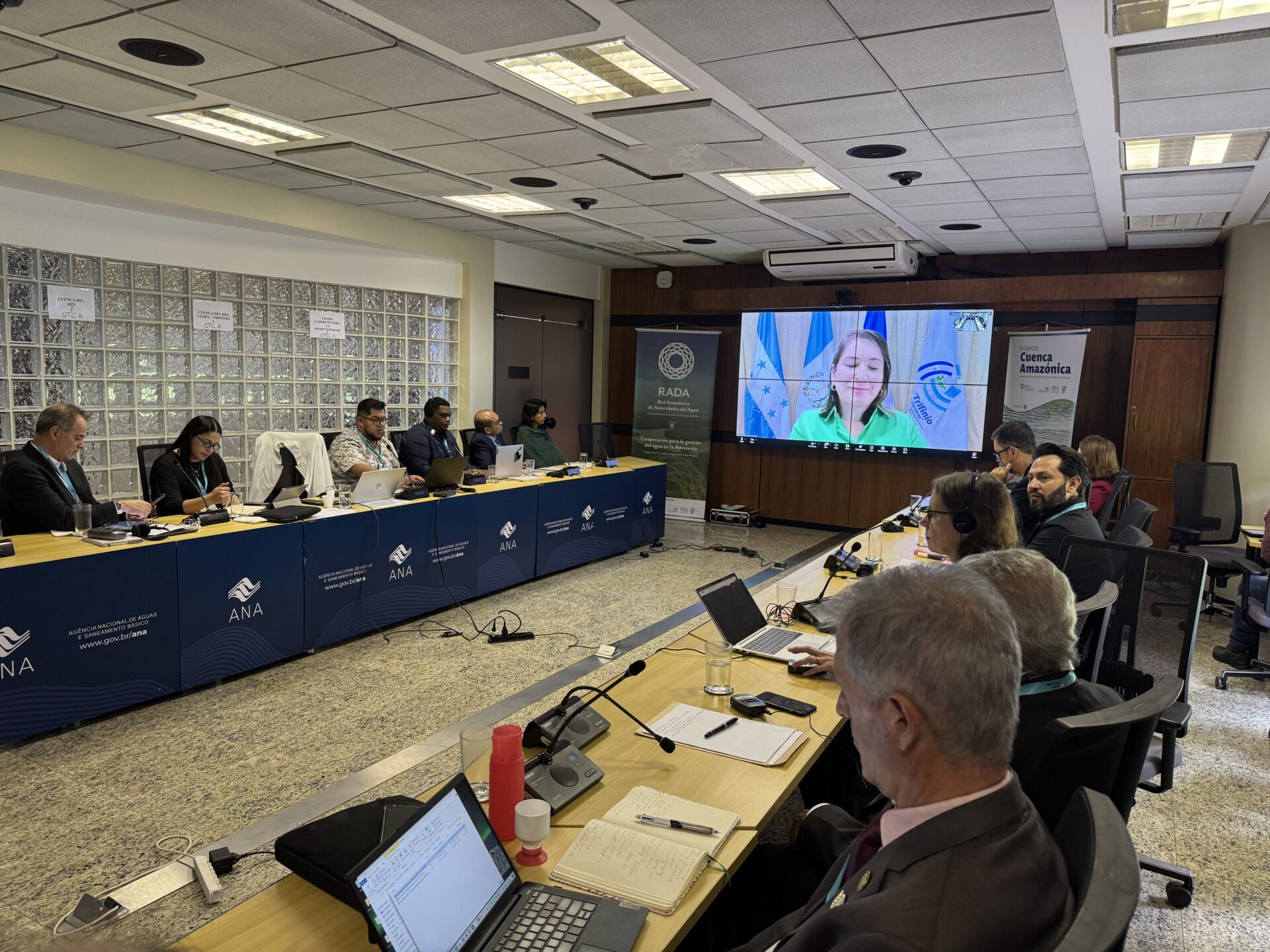
Liseth Hernández, Tri-national Executive Secretary of the Trifinio Plan.
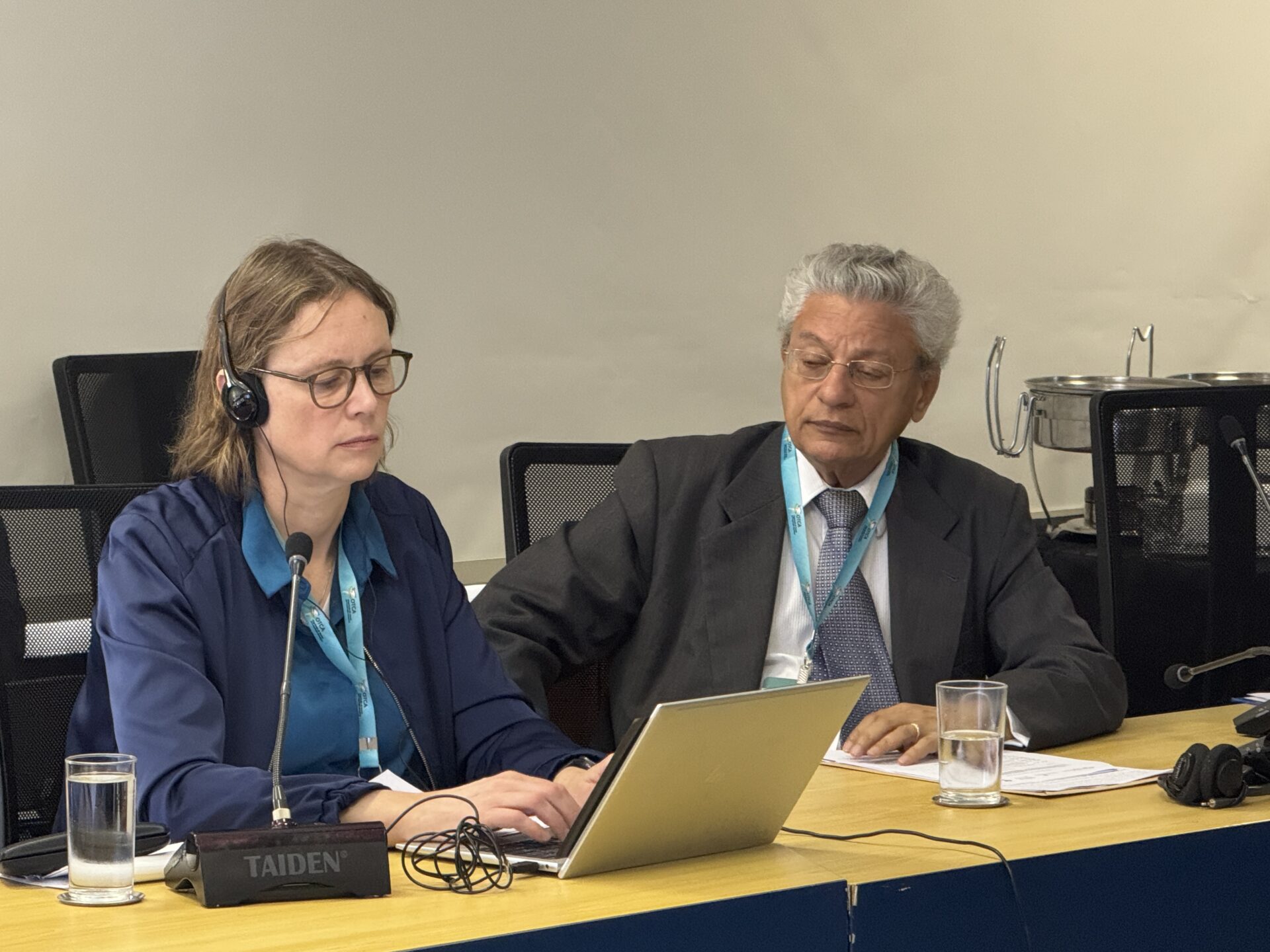
Judith ter Maat, representative of Deltares and member of the International Commission for the Hydrology of the Rhine Basin.
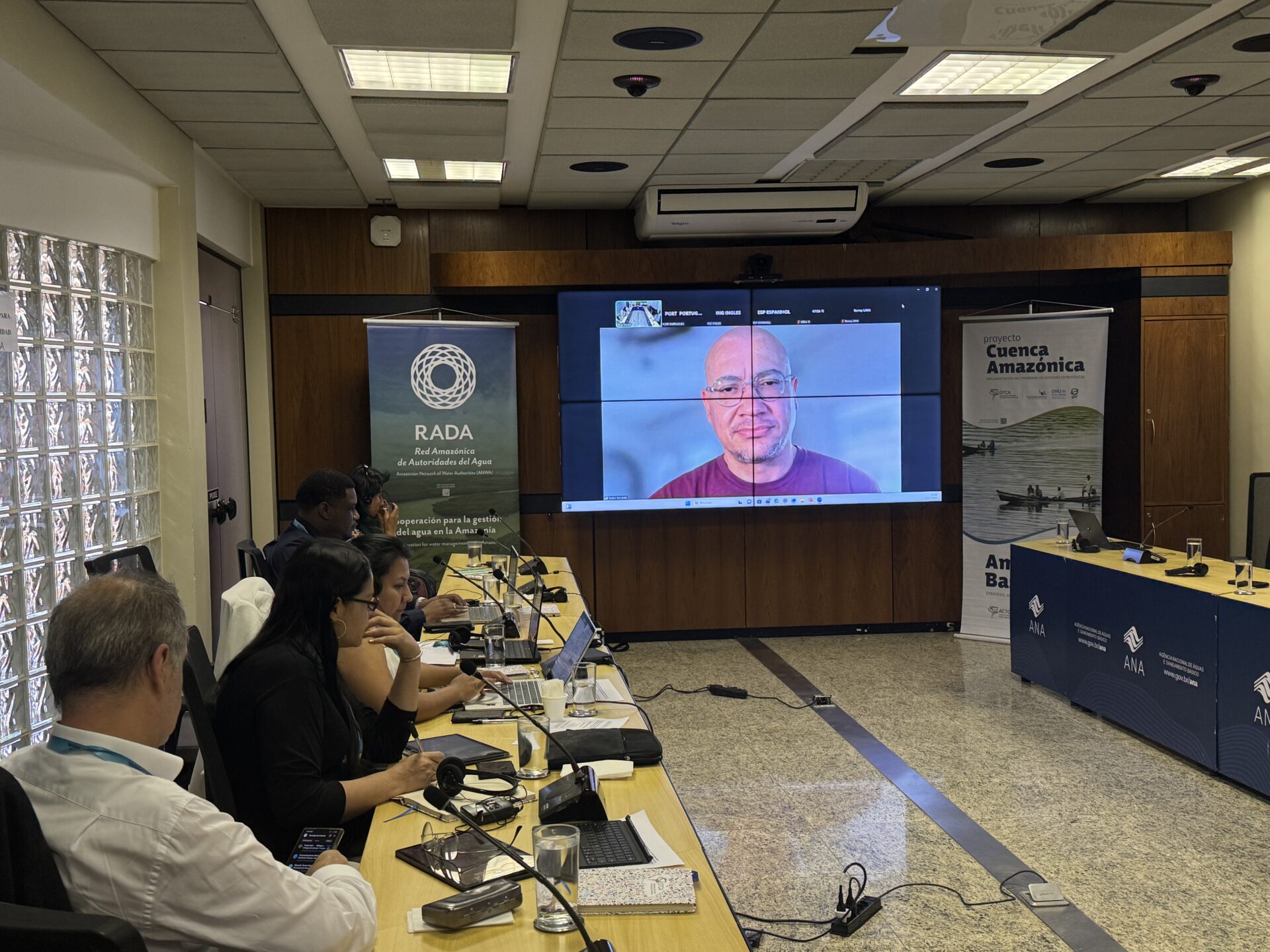
Tadzio Bervoets, Technical Officer of the Caribbean Biodiversity Fund.
Related news

Post
31 de March de 2026
In the region between the Xingu and Iriri rivers, known as Terra do Meio, in the Brazilian Amazon, areas previously [...]

Post
22 de March de 2026
World Water Day, celebrated on March 22, is a date established by the United Nations (UN) and, in 2026, features [...]

Post
Virtual course presents the potential of cloud data analysis for Amazonian water resource management
5 de February de 2026
As part of the Amazonian Training Plan for Integrated Water Management, from the Amazonian Network of Water Authorities (RADA), the [...]