Water is the central element through which most of the impacts of climate change manifest themselves: more intense droughts, extreme floods, imbalances in rainfall patterns, accelerated glacier loss, and physical-chemical alterations in rivers. In the Amazon, the largest transboundary river system on the planet, these impacts are multiplied throughout the hydrological cycle, affecting its ecosystems and more than 50 million people.
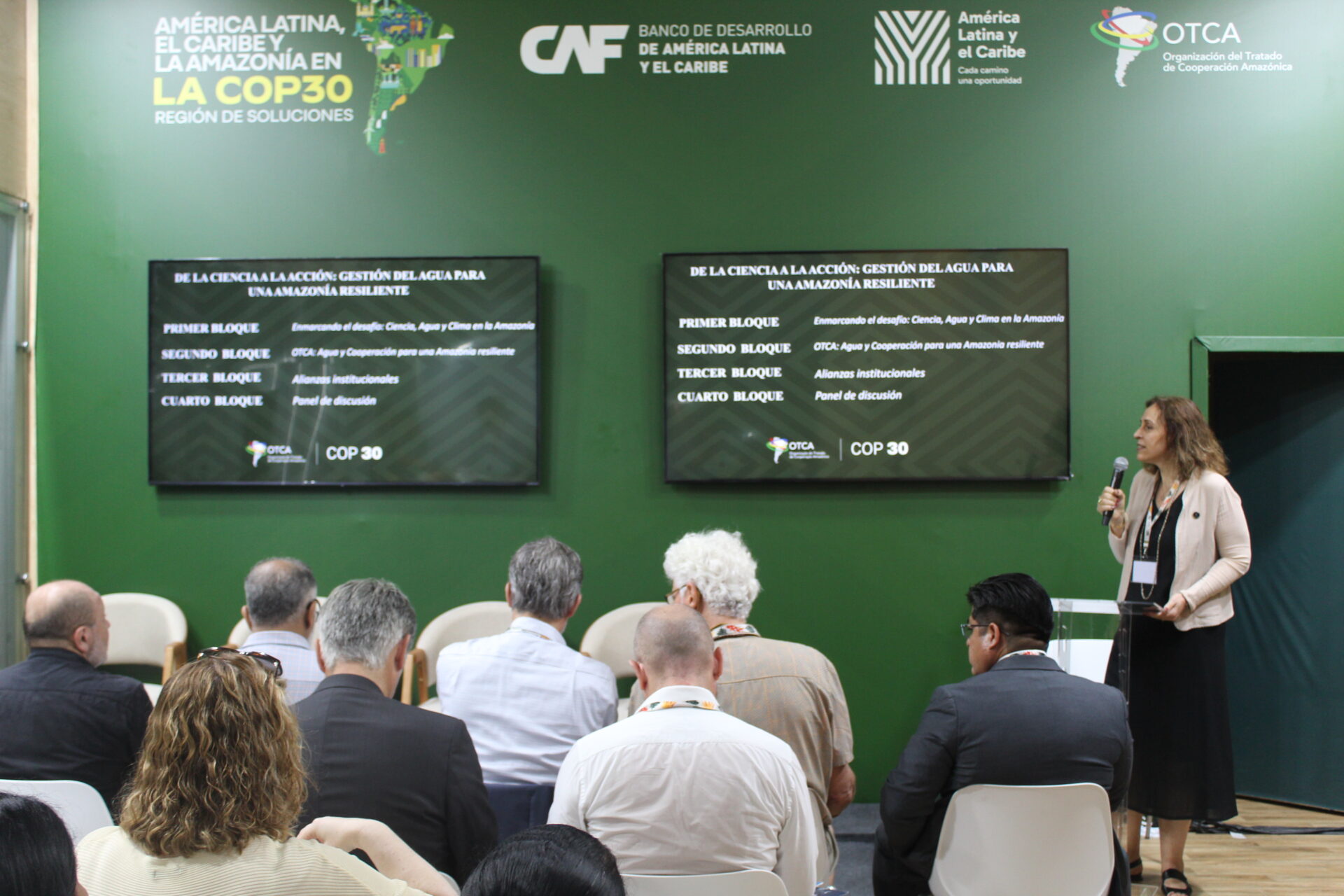
To deepen this debate and present structured responses developed by Amazonian countries, the Amazon Cooperation Treaty Organization (ACTO) promoted, on Wednesday (12), the side event “From Science to Action: Water Management for a Resilient Amazon” in its pavilion in the Blue Zone of COP-30, in the City Park in Belém (PA). The meeting brought together water authorities, scientists, and international partners to discuss regional cooperation, integrated monitoring, the role of Andean glaciers, aquifer management, and financing mechanisms for a resilient Amazon.
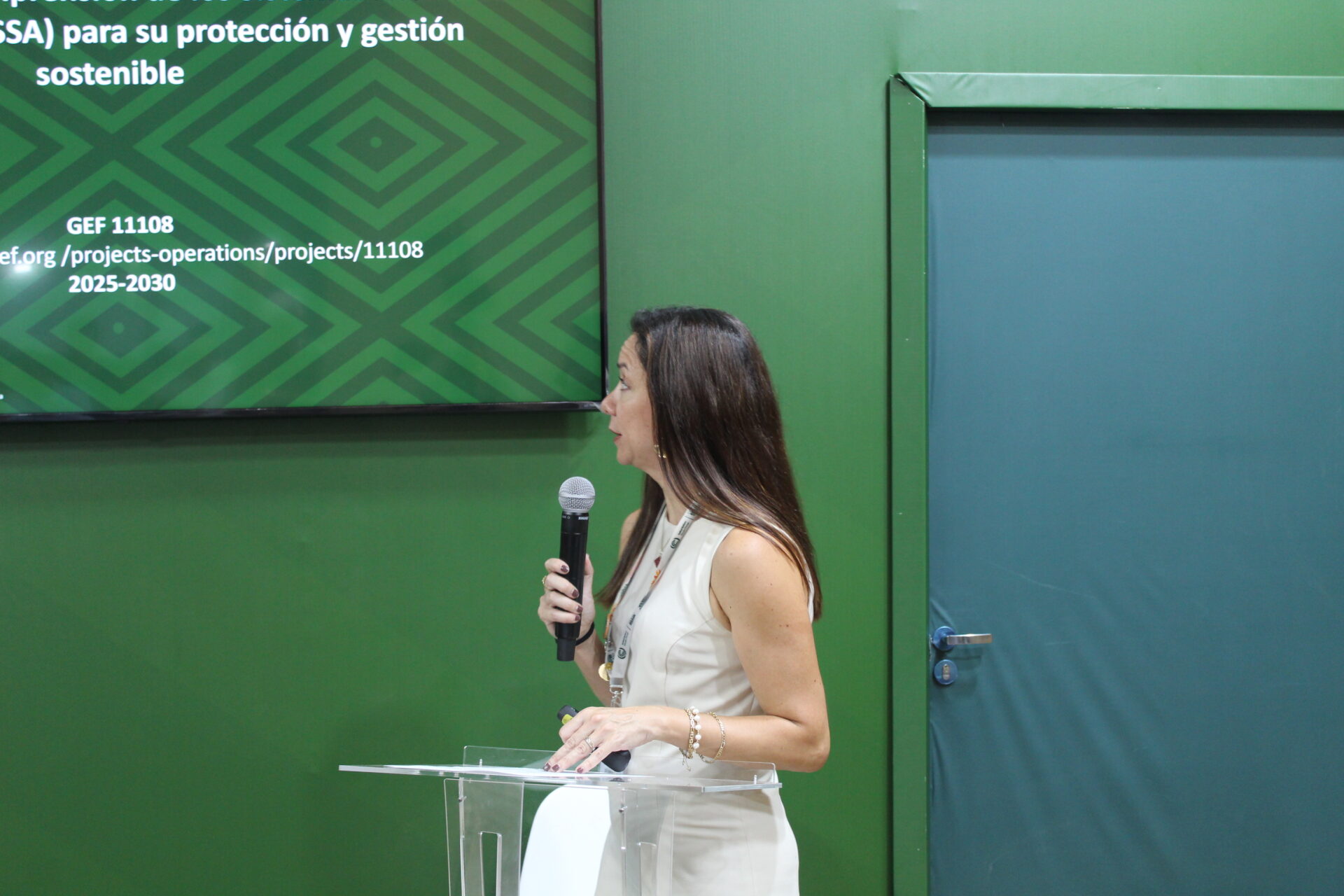
In the first part of the session, the coordinator of the Amazon Basin Project, Maria Apostolova, presented the Strategic Action Program (SAP) for Integrated Water Resources Management (IWRM) in the region to attendees. Adopted by the Amazonian countries in 2017, the SAP was conceived from a shared vision and a technical-scientific document developed with broad social and institutional participation, the Transboundary Diagnostic Analysis (TDA). In her presentation, Apostolova highlighted that the SAP is structured around 19 Strategic Actions, which strengthen institutions and legal frameworks, improve the technical and technological capacities of Amazonian countries for IWRM, promote knowledge management, and increase resilience to climate change. Its implementation is currently being carried out through a series of projects, including the Amazon Basin Project, executed by ACTO, with implementation by UNEP and financing from the GEF.
ACTO Administrative Director Edith Paredes presented the Amazon Aquifer Systems Project (AAS), launched during COP-30 and scheduled for implementation in 2026, with support from the GEF and the IDB. The initiative will further the SAP implementation agenda, strengthening knowledge and management of groundwater in the Amazon basin, a component that is still under-explored but strategic for regional water security. “We need to know how the Amazon Aquifer System works, what its role is in the water cycle, what its main sources of contamination are, what the social perception of its importance is, and whether our institutions are prepared to manage it,” Paredes said.
The AAS Project foresees hydrogeological studies, modeling, georeferencing, water security assessment, and pilot projects in the eight Amazonian countries, promoting protection, technological innovation, and institutional strengthening. The initiative will also reinforce the integration between groundwater and surface water and increase the countries’ capacity to adapt to climate change.
-

- Maria Apostolova, coordinator of the Amazon Basin Project.
-
- Edith Paredes, Administrative Director of ACTO.
Governance for water security in the Amazon
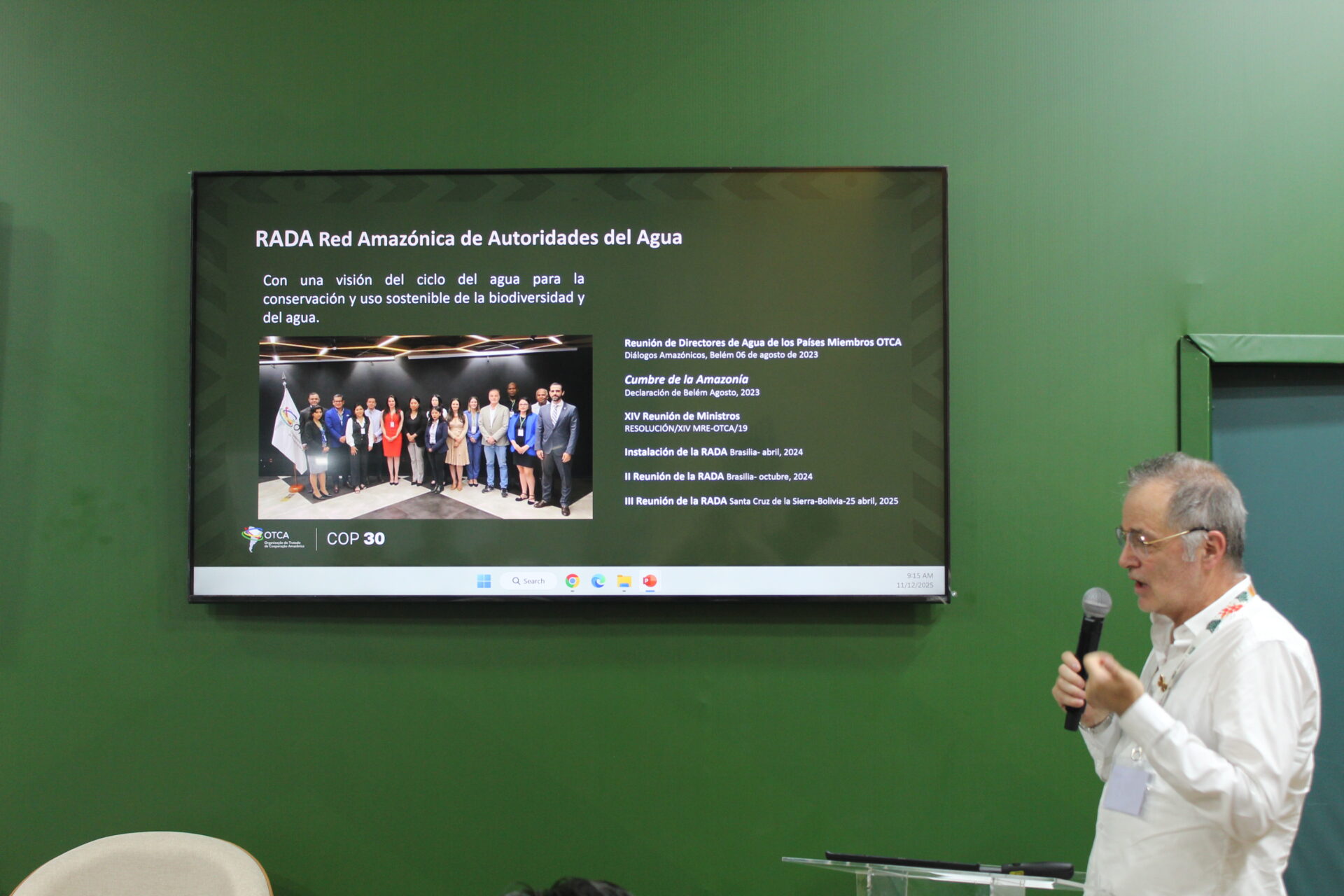
Oscar Puerta, Director of Integrated Water Resources Management at the Colombian Ministry of Environment and Sustainable Development and titular of the Amazonian Network of Water Authorities (RADA), presented the intervention “Regional Perspectives: Strengthening Cooperation through RADA/ACTA.”
He emphasized that the network consolidates a regional framework for the revitalization, protection, and conservation of Amazonian waters, promoting joint actions that reinforce the countries’ commitment to sustainable management. Puerta highlighted a strategic advance by RADA that is essential for regional cooperation: the adoption of regional monitoring protocols for the Amazon Hydrological Network (AHN) and the Water Quality Network (WQN), which are fundamental for guiding decisions based on reliable evidence.
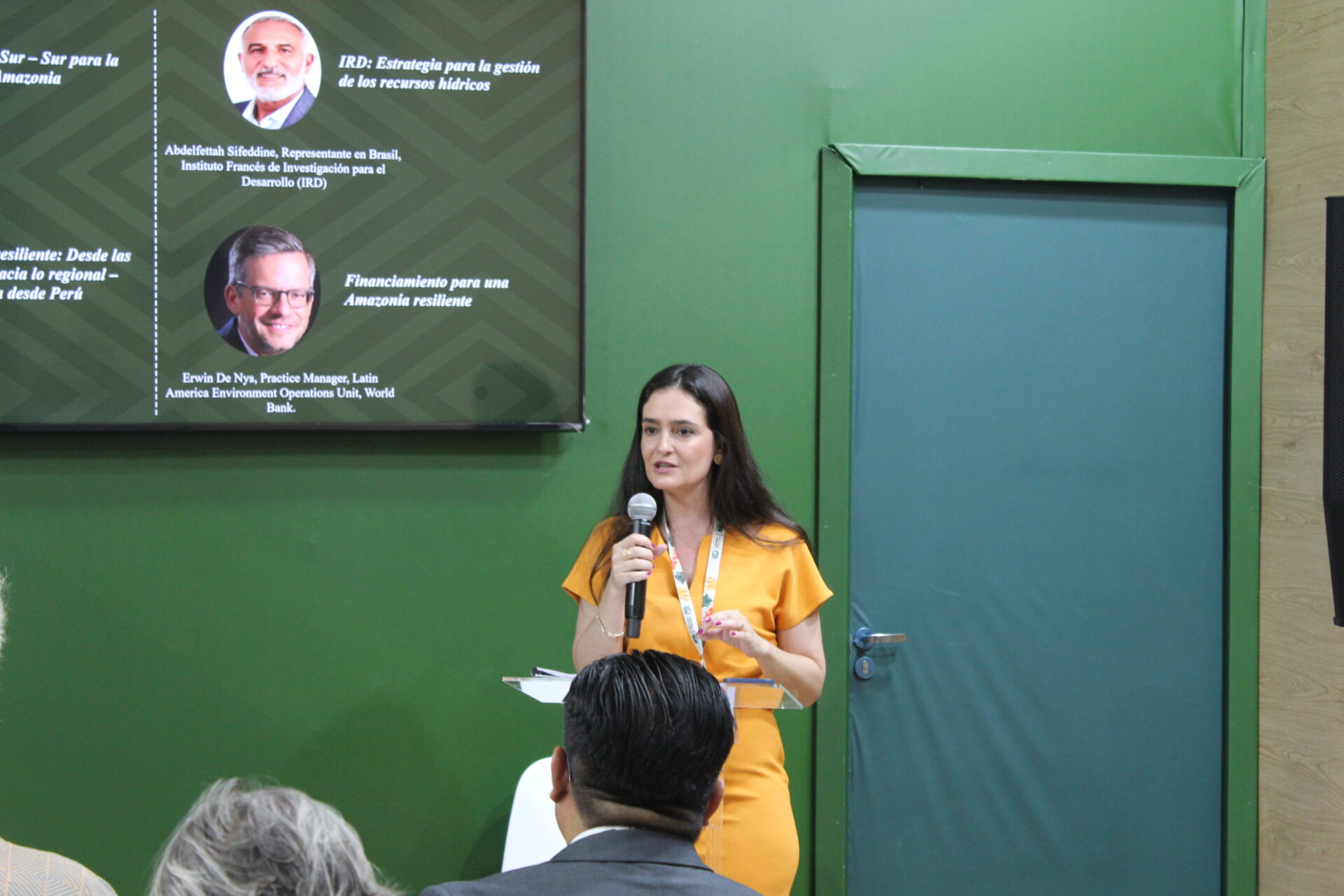
The director president of the National Water and Basic Sanitation Agency (ANA-Brazil) and also titular of the Amazon Water Authorities Network, Verónica Sánchez, highlighted the positive results achieved by the countries in the Integrated Water Resources Management (IWRM) of the Amazon Basin within the framework of cooperation promoted by ACTO. She highlighted the increased access to hydrological data from the eight Amazonian countries through ACTO’s Amazon Regional Observatory (ARO), which strengthens regional capacity to monitor surface waters in the Amazon and thus support decisions to prevent and mitigate extreme events such as floods and droughts in the region.
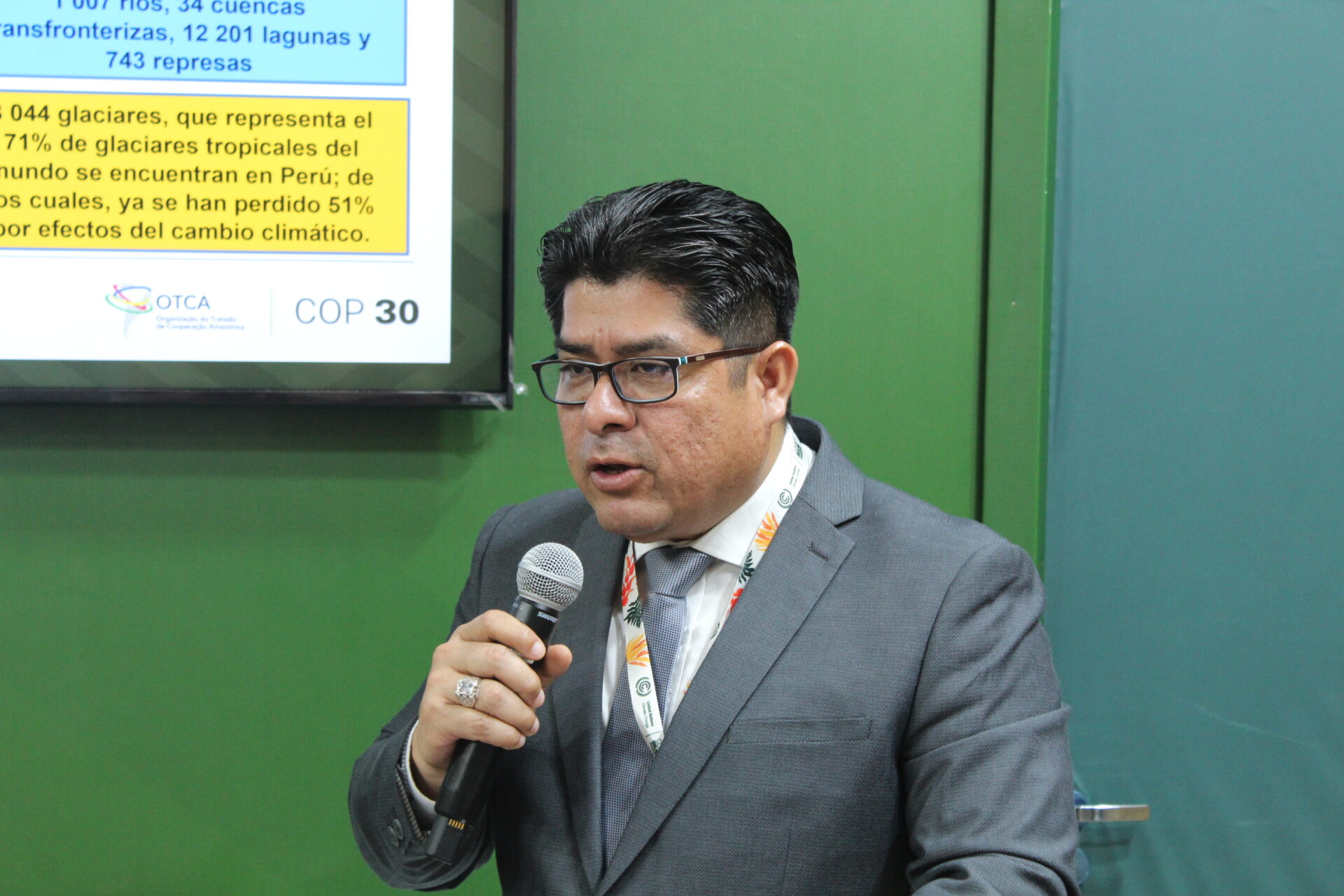
In the field of glaciological monitoring, the head of Peru’s National Water Authority (ANA), José Genaro Musayón, drew attention to the strong impact of climate change on the melting of Andean glaciers, which, in the case of Peru, has already caused the loss of 53% of the glacier surface area. In his speech, he highlighted the installation of four glaciological and hydrometric stations in the Vilcanota and Carabaya mountain ranges. These new structures strengthen the connectivity between the Andes and the Amazon by providing essential information on glacier mass loss and water supply during the dry season, allowing the dynamics of melting to be monitored and supporting adaptation planning for communities that depend directly on these waters.
-
- Oscar Puerta, Director of Integrated Water Resources Management at the Colombian Ministry of Environment and Sustainable Development.
-
- Verónica Sánchez, President of the National Water and Basic Sanitation Agency (ANA-Brazil).
-
- José Genaro Musayón, Head of the National Water Authority (ANA-Peru)
Science to understand and protect the Amazon
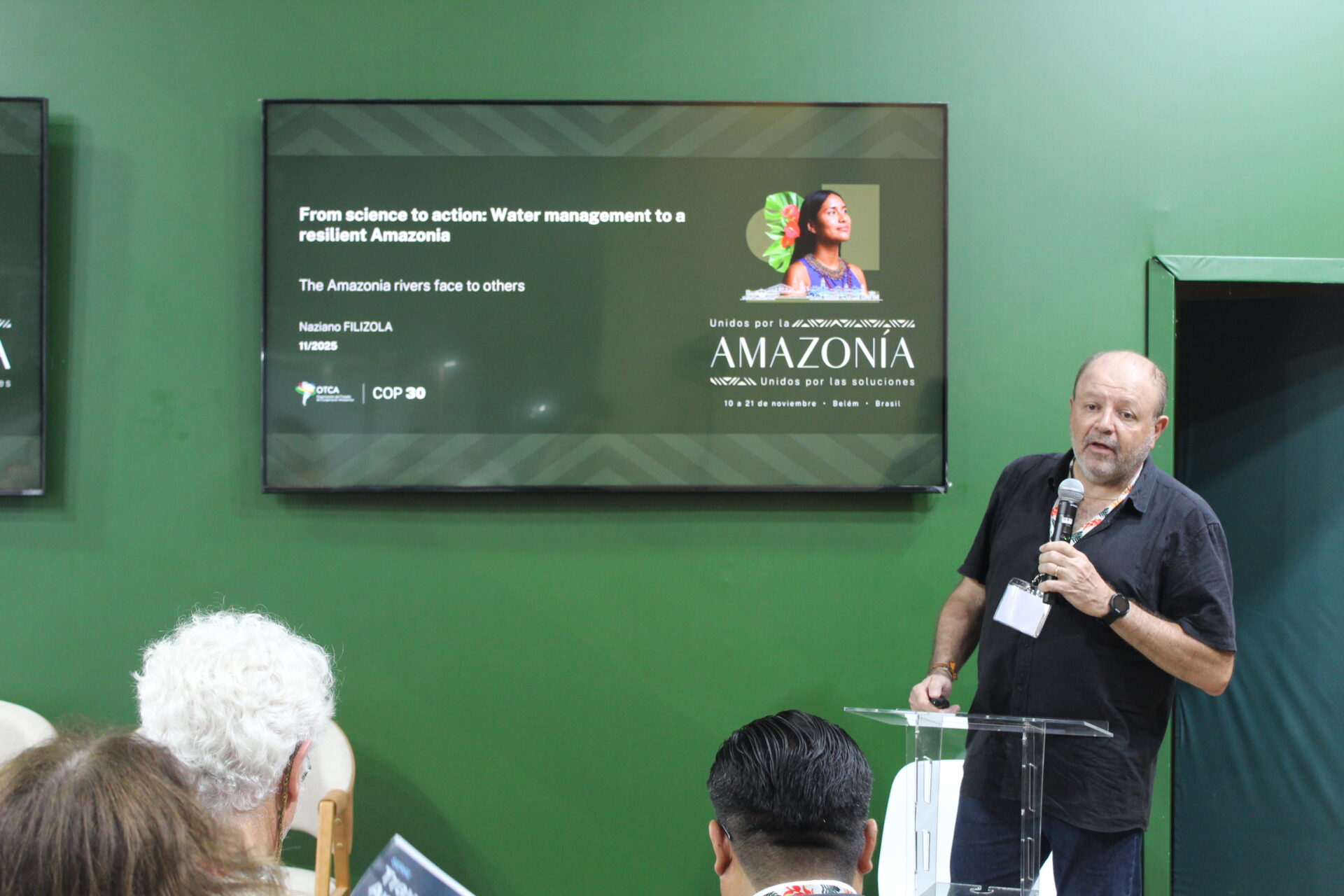
Professor Naziano Filizola, from the Department of Geosciences at the Federal University of Amazonas (UFAM), presented a compelling overview of the situation of Amazonian rivers during the event, emphasizing that science is the basis for understanding their dynamics, anticipating risks, and guiding management actions at the regional level. Based on historical data, hydrological models, and decades of monitoring, Filizola demonstrated that the Amazon is already facing more extreme droughts and floods, as well as increasing pressures from climate change, scenarios that can only be identified through continuous scientific effort.
He stressed that without robust observation networks, international cooperation, and the production of technical and scientific knowledge, the region remains vulnerable to environmental degradation and water instability. He therefore reinforced that investing in science and strengthening monitoring systems is essential to ensure the resilience of the Amazon basin and protect the populations that depend on it.
As senior consultant for the Amazon Basin Project – Implementation of the SAP, Filizola also presented the Integrated Regional Information Platform on Integrated Water Resources Management (IWRM), which will be incorporated into ACTO’s Amazon Regional Observatory (ARO). The platform will represent the consolidation of ACTO’s Integrated Water Resources Monitoring System, organizing the management cycle into three stages: monitoring and analysis, calculation and modeling, and regional scenarios, with the support of technical groups and pilot projects in the countries.
Data for decision-making: the basis for Amazonian water cooperation
The importance of having reliable data to guide public policies was one of the central themes of the debate. Arnaldo Carneiro, scientific coordinator of the Amazon Regional Observatory (ARO), stressed that “no public policy on water, especially in a transboundary basin of the size of the Amazon, can be effective without a solid data base, continuous monitoring, and integrated analysis.” He explained that the ARO collects and harmonizes information produced by Amazonian countries on the region’s water resources through two regional monitoring networks: the Amazon Hydrological Network ( AHN) and the Water Quality Network (WQN), which together comprise 547 physical and virtual stations. These networks collect information that is essential for water resource management, strategic economic activities, and the monitoring and forecasting of extreme events such as droughts and floods.
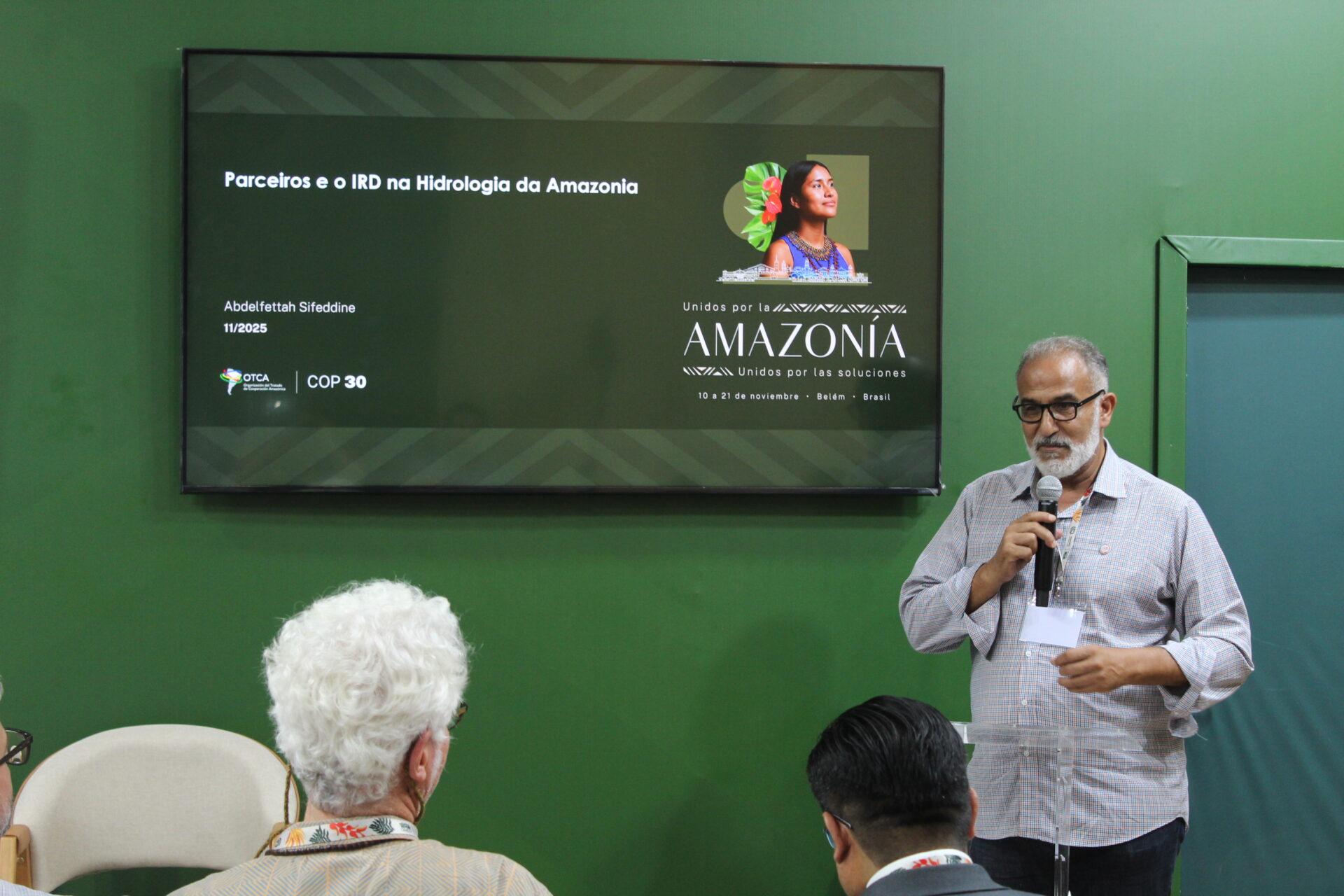
Abdelfettah Sifeddine, representative in Brazil of the French Research Institute for Development (IRD), highlighted the institute’s collaboration with ACTO in the area of training and recalled that the IRD coordinates the HYBAM Project, which stations are part of the AHN and provide the ARO with essential information on hydrological processes. He also emphasized the need for ongoing training and technological interoperability to reduce asymmetries between countries in the region.
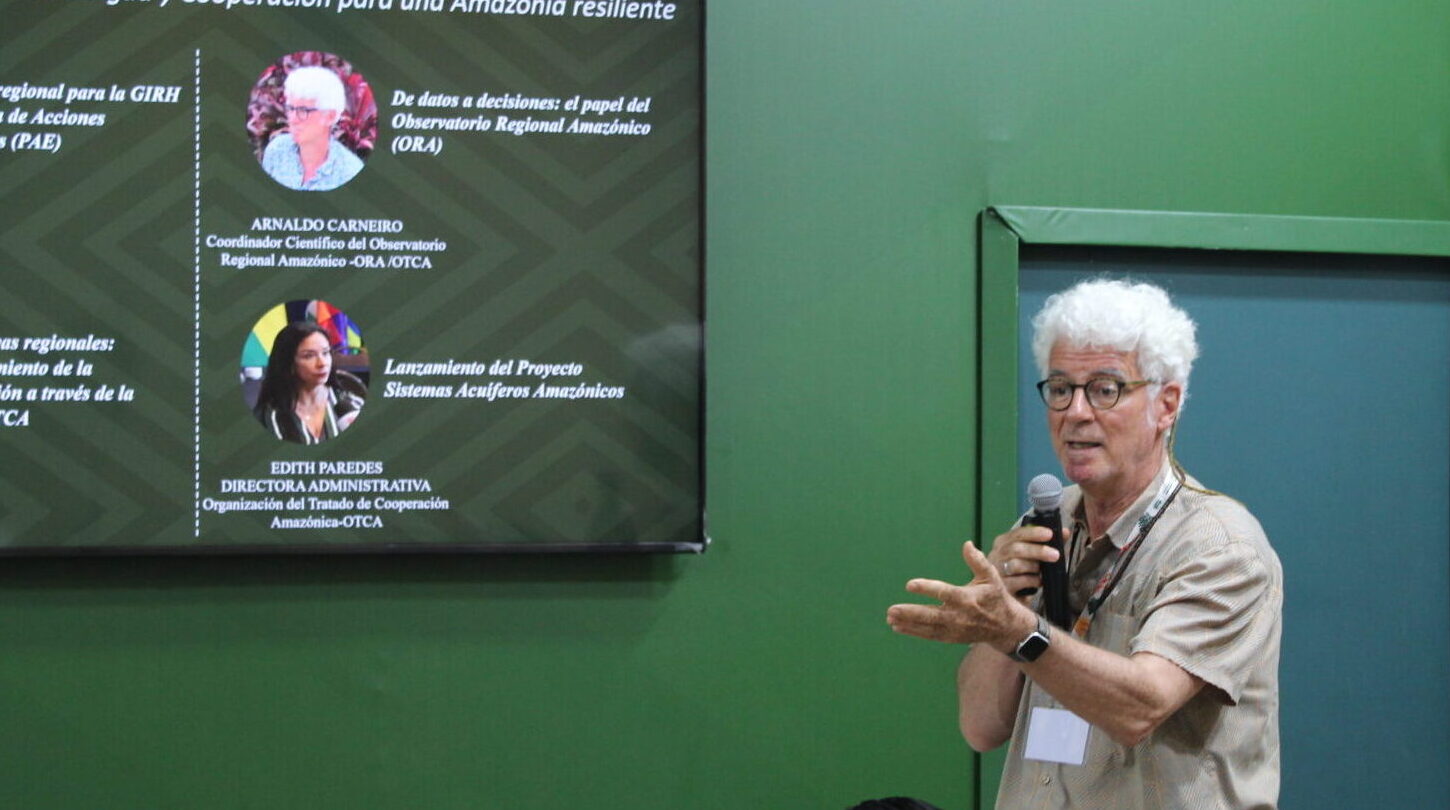
Arnaldo Carneiro, coordinador científico del ORA.
Financing for a resilient Amazon
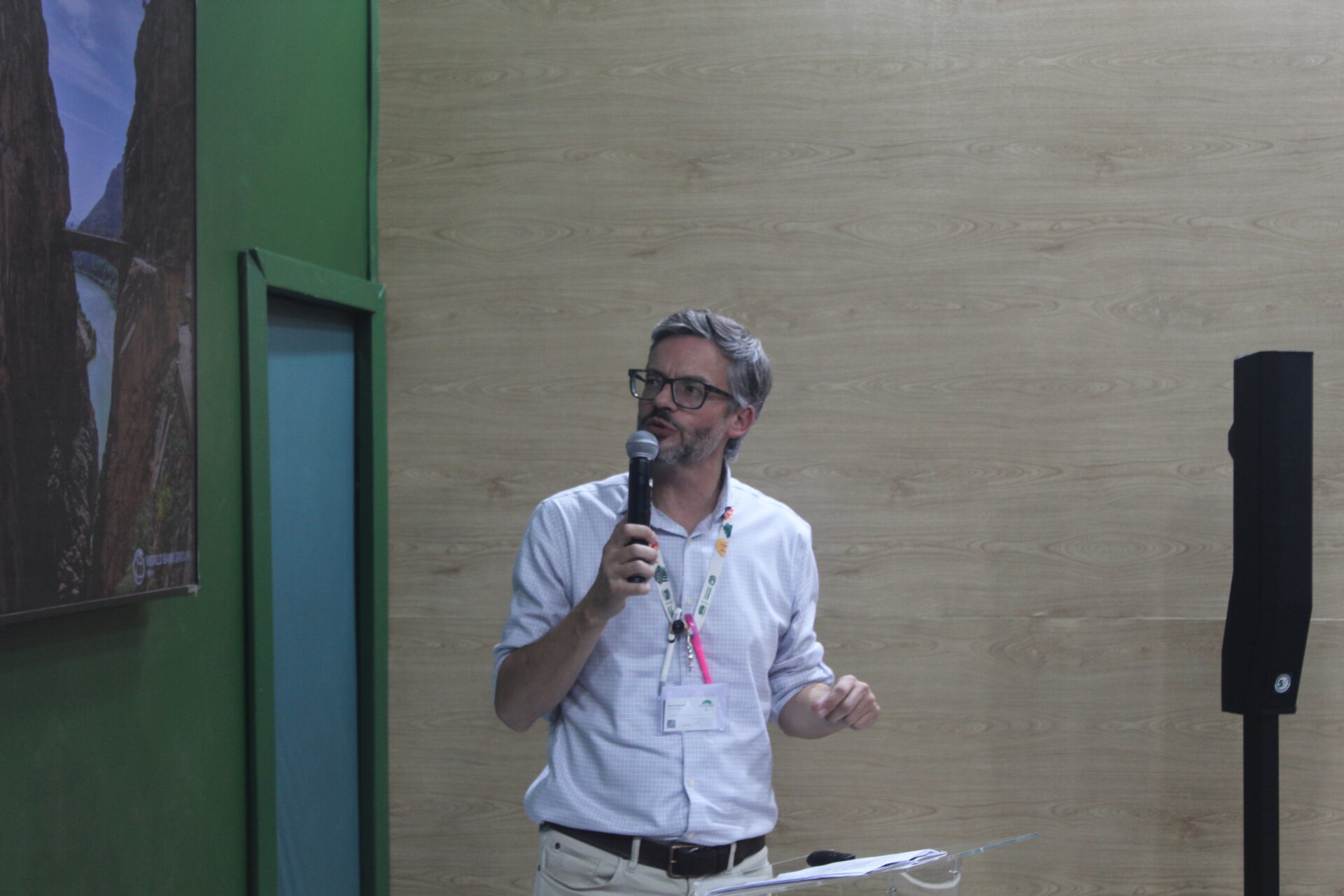
In the section dedicated to financing, Erwin De Nys, Practice Manager of the World Bank’s Environmental Operations Unit for Latin America, presented innovative mechanisms to support transboundary water management, a strategic issue for the Amazon, where rivers, aquifers, and ecosystems cross borders and require long-term solutions. He emphasized that fragmented and short-term financing does not guarantee the sustainability needed to strengthen the region’s water resilience and that dedicated funds, such as Transboundary Watershed Funds, make it possible to mobilize climate, concessional, and private capital, expanding the scale and continuity of actions. As a reference, he cited the Nile Basin Trust Fund, which mobilized more than $200 million, and highlighted the importance of financial models capable of sustaining cooperation between countries that share water resources.
Social participation to strengthen water governance
Dino Delgado, Head of Relations and Policy at Alianza Amazon Waters, emphasized that social participation is essential for water governance in the region. He stressed that the most legitimate and effective decisions arise when scientific knowledge is combined with the knowledge of local communities, indigenous peoples, and water users, strengthening dialogue between governments, civil society, and technical institutions and contributing to a more resilient Amazon.
Amazon Basin Project at COP 30
In addition to the panel “From Science to Action,” the Amazon Basin Project participated in other strategic moments at COP 30, reinforcing the importance of water in global debates on climate and resilience. At the official side event “A Global Call for Hydrological Resilience: Putting Water at the Center of Climate Action,“ organized by the Government of the Kingdom of the Netherlands and the International Water Management Institute, regional coordinator Maria Apostolova presented the talk “Resilience of the Amazon Basin: Water Management, Ecosystems, and Land Use,” in which she addressed the challenges and opportunities for integrated water resources management in the region.
The project also participated in two other side events at the conference, broadening the debate on water governance, science, and climate adaptation in the Amazon basin. At the event “Rivers in Climate Crisis: Solutions for a Sustainable Future,” promoted by the French Research Institute for Development (IRD), the International Network of River Basin Organizations (INBO), and the Initiative pour l’Avenir des Grands Fleuves (Initiative for the Future of Great Rivers), Apostolova presented ongoing strategies to strengthen regional cooperation within the framework of ACTO and promote sustainable management of Amazonian waters.
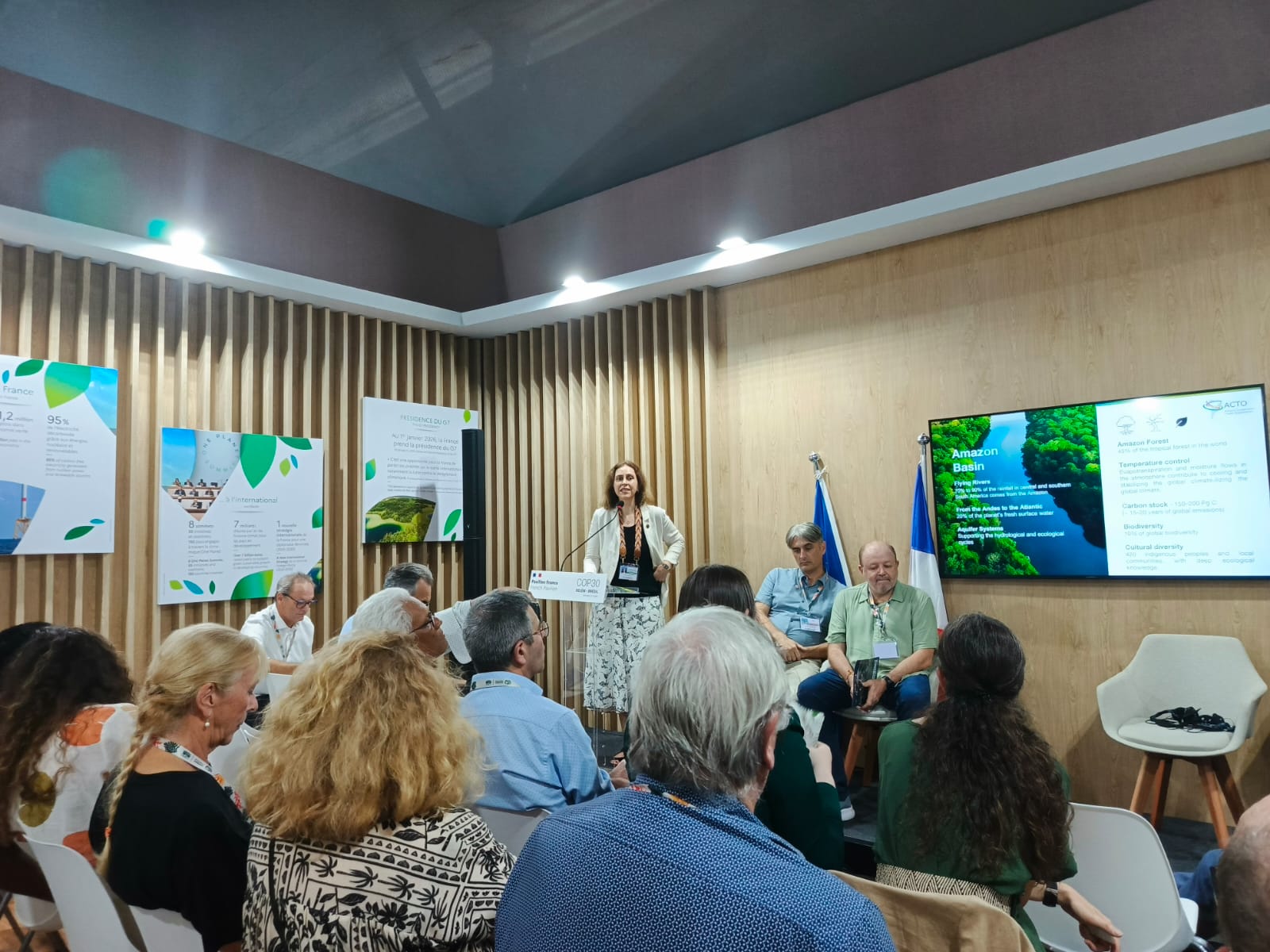
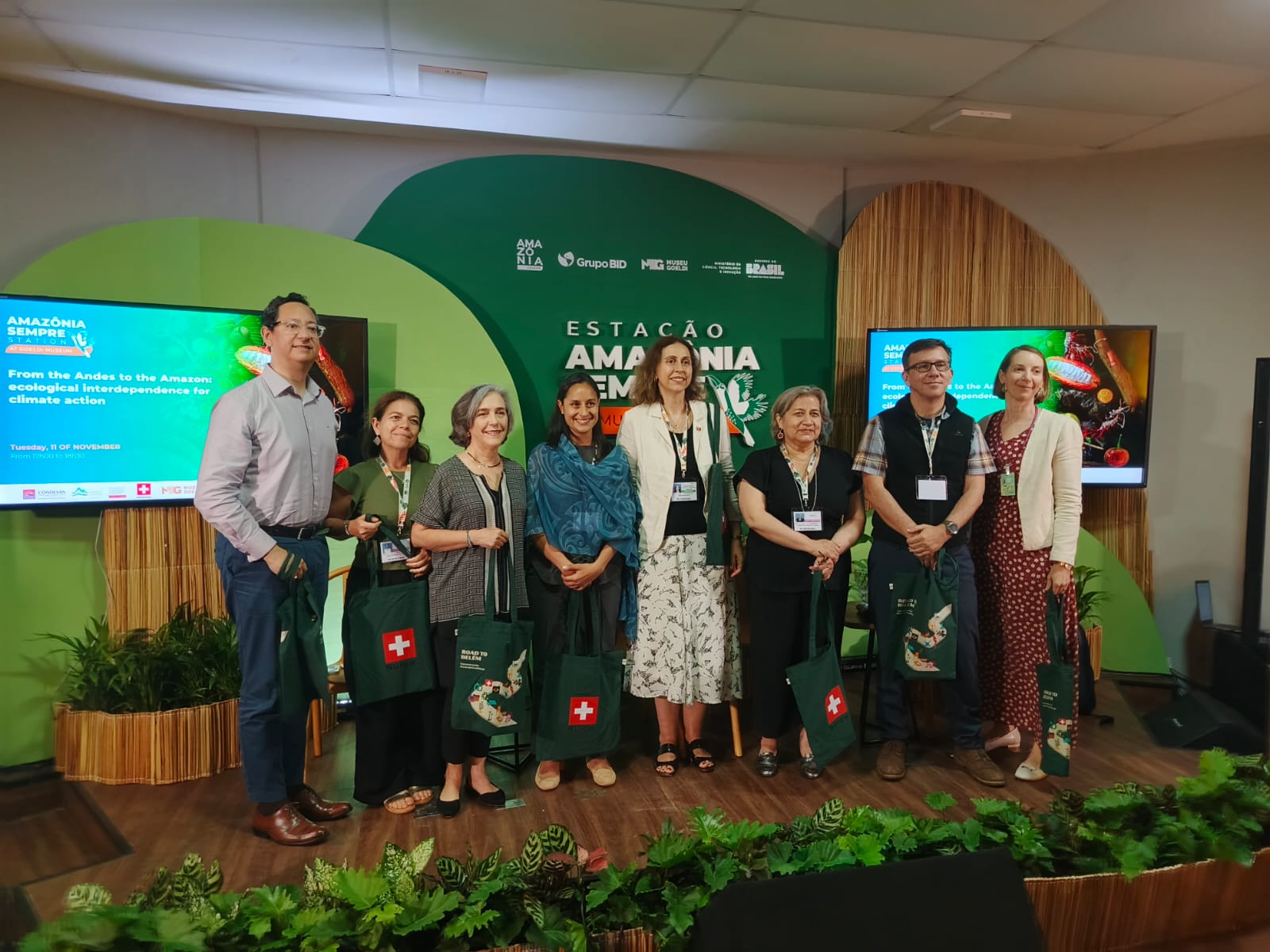
At the event “From the Andes to the Amazon: Interdependence and Innovative Actions for Climate Adaptation,” organized by the Swiss Embassy in Brazil and CONDESAN / Andean Mountain Initiative (AMI), the coordinator participated in the panel discussion “What gaps and opportunities exist to strengthen the evidence base on the Andes-Amazon connection and its integration into climate and biodiversity policies? How can strategic alliances and financial mechanisms expand joint actions in the region? What governance mechanisms can be developed to effectively manage the Andes-Amazon interface?” Her participation reinforced the importance of strategic alliances, innovative financial mechanisms, and governance agreements capable of integrating the interdependencies between the Andes and the Amazon into climate and biodiversity agendas.

Related news

Post
31 de March de 2026
In the region between the Xingu and Iriri rivers, known as Terra do Meio, in the Brazilian Amazon, areas previously [...]

Post
30 de March de 2026
On March 5 and 6, 2026, the city of Bogotá, Colombia, hosted a technical meeting that brought together experts and [...]

Post
22 de March de 2026
World Water Day, celebrated on March 22, is a date established by the United Nations (UN) and, in 2026, features [...]