

The Amazon Cooperation Treaty Organization (ACTO), in partnership with the United Nations Environment Programme (UNEP), the Inter-American Development Bank (IDB), and the Global Environment Facility (GEF), officially launched the Amazon Aquifer Systems (AAS) Project on Monday, the 18th, in Brasília: “Toward a Better Understanding of Amazonian Aquifer Systems for Their Protection and Sustainable Management,” a regional initiative aimed at strengthening scientific knowledge and the sustainable management of groundwater in the Amazon. The launch brought together the eight delegations from ACTO Member Countries, including national water authorities and groundwater specialists, as well as representatives from the partner institutions responsible for financing and implementing the project, with ACTO serving as the executing agency.
During the opening of the meeting, the delegations highlighted the strategic importance of the initiative for strengthening Integrated Water Resources Management (IWRM) in the Amazon Basin. Although the Amazon is globally recognized for its abundance of surface water, aquifer systems play a fundamental role in water security, ecosystem maintenance, and climate regulation in the region, especially during periods of drought. However, these groundwater resources remain poorly understood and face growing threats associated with climate change, pollution, unregulated exploitation, and increasing human pressure on natural resources.
“This project represents a strategic opportunity to protect Amazonian aquifer systems that remain largely unknown and to advance toward more effective processes for the conservation and protection of these groundwater resources. We will work to ensure that this initiative remains a key priority for ACTO,” stated Edith Paredes, ACTO’s administrative director.
Representing UNEP, Isabelle Vanderbeck highlighted that the project goes beyond the scientific dimension and seeks to strengthen regional groundwater governance. “This project will support countries in gathering information and strengthening groundwater management. Historically, groundwater has received little attention globally, so this initiative represents an opportunity to position the Amazon as an international benchmark on this issue,” she stated.
Tiago Pena, senior specialist at the IDB’s Water and Sanitation Division in Brazil, reaffirmed the institution’s support for the regional process. “The IDB reaffirms its commitment to providing technical support to countries in this process, promoting regional coordination, capacity building, and the generation of regional public goods. We are confident in the success of this initiative for the benefit of Amazonian populations and future generations,” he said.
-
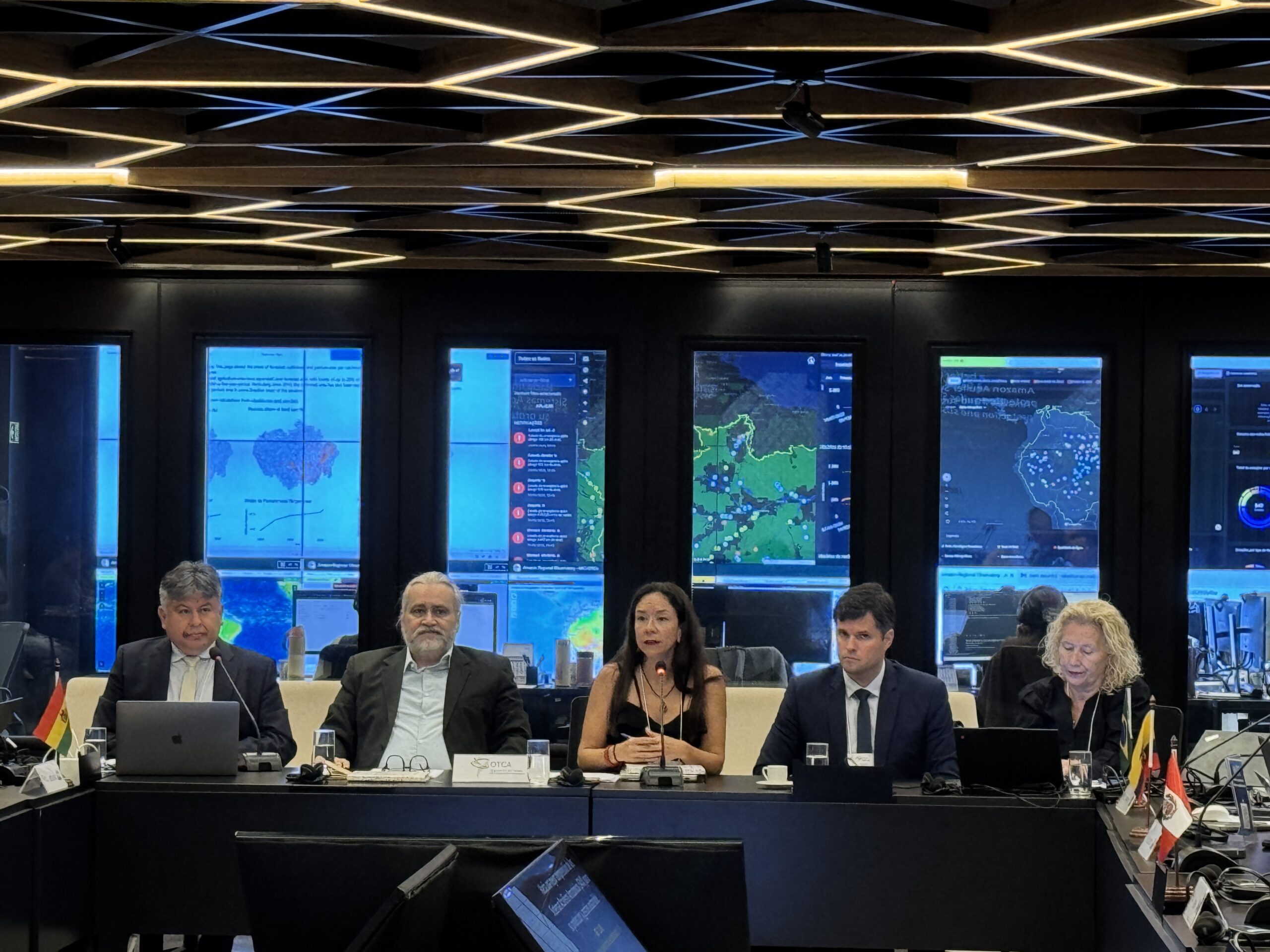
- Edith Paredes, executive director of ACTO, during her remarks at the launch of the Amazon Aquifer Systems Project (AAS)
-
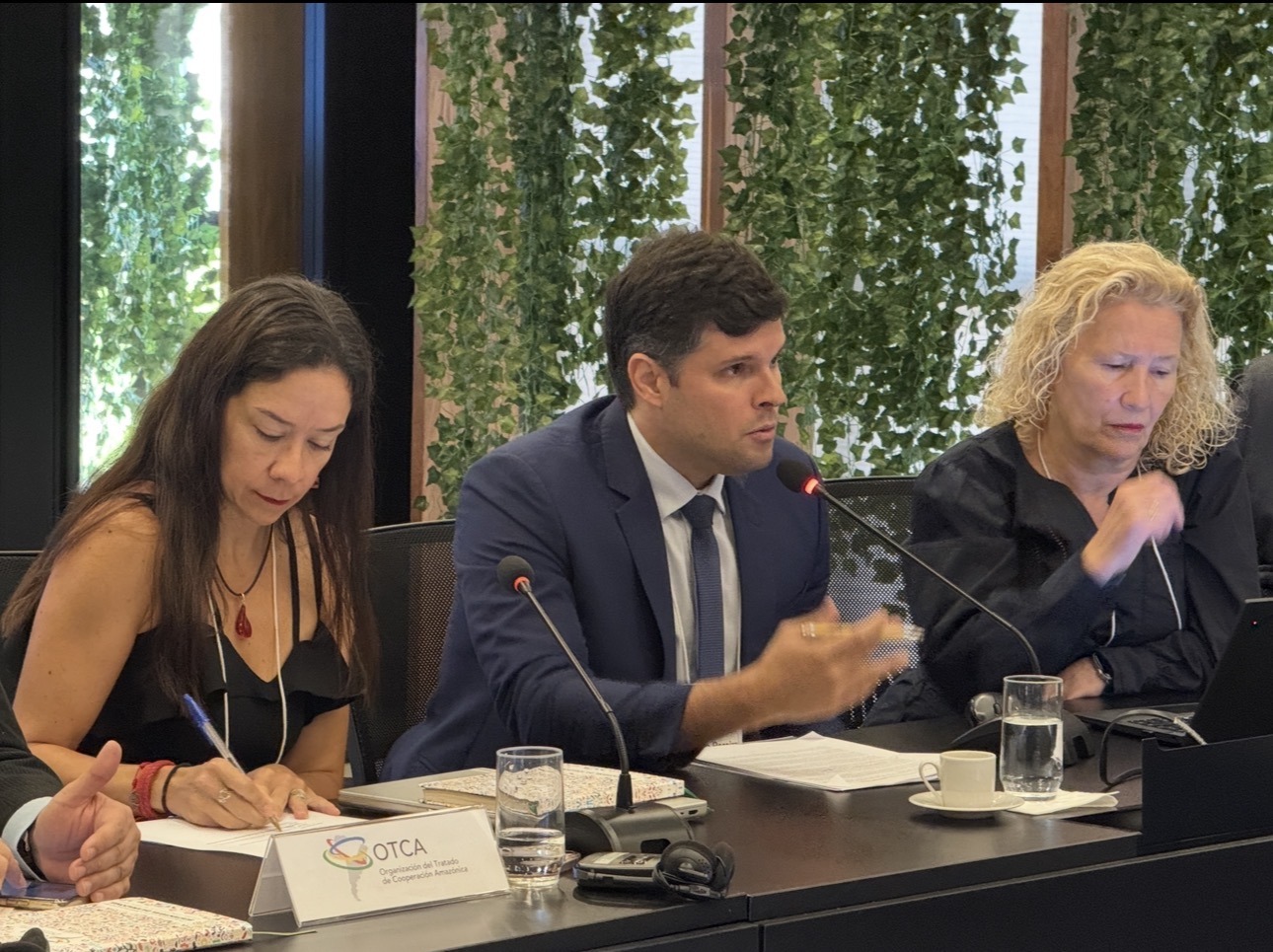
- Tiago Pena, senior specialist at the IDB’s Water and Sanitation Division in Brazil, at the launch of the Amazon Aquifer Systems Project (AAS).
With an expected duration of five years, the AAS Project will seek to advance toward a better understanding of Amazonian aquifer systems, promoting scientific foundations that contribute to decision-making and the integrated management of water resources in the region. The initiative contributes to the implementation of Strategic Actions 2 and 3 of the Strategic Action Program (SAP) for the Integrated Management of Water Resources in the Amazon Basin, related to the protection, management, and monitoring of Amazonian aquifers and the development of a regional program for the protection and sustainable use of groundwater.
Strategic Components of the Project
The AAS Project is structured around five complementary components, covering scientific research, strengthening transboundary governance, implementing pilot projects, developing technical and institutional capacities, and preparing a Transboundary Diagnostic Analysis and a chapter of the Strategic Action Program (SAP) for Amazonian aquifer systems.
According to Jorge Abad, regional coordinator of the AAS Project, the initiative aims to deepen understanding of the connections between different environmental systems in the Amazon. “The project takes a multi-process and multi-scale integration approach. We seek to gain a deeper understanding of the interactions between aquifers, the forest, rivers, and the atmosphere, considering Amazonian hydrological cycles at different scales,” he explained.
-
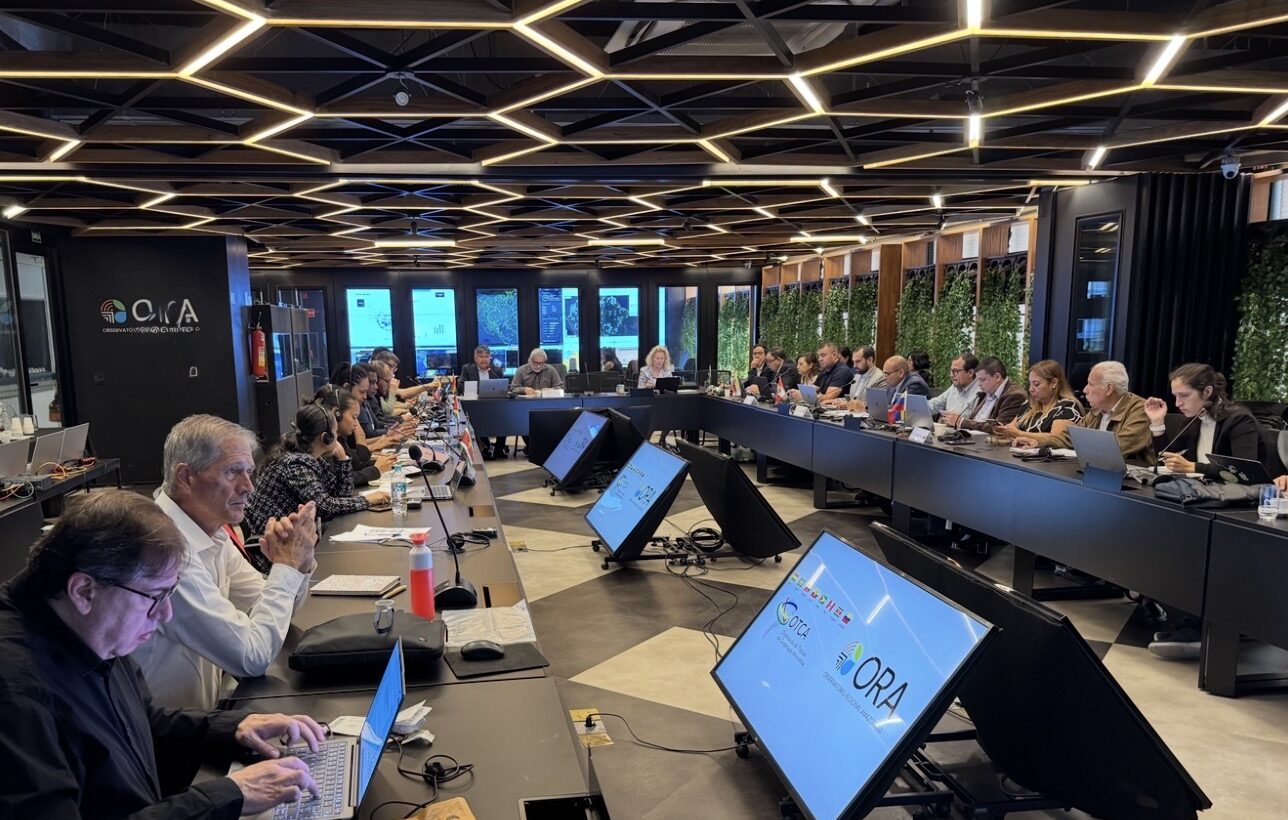
- Representatives of ACTO member countries during the launch meeting of the Amazon Aquifer Systems Project.
-
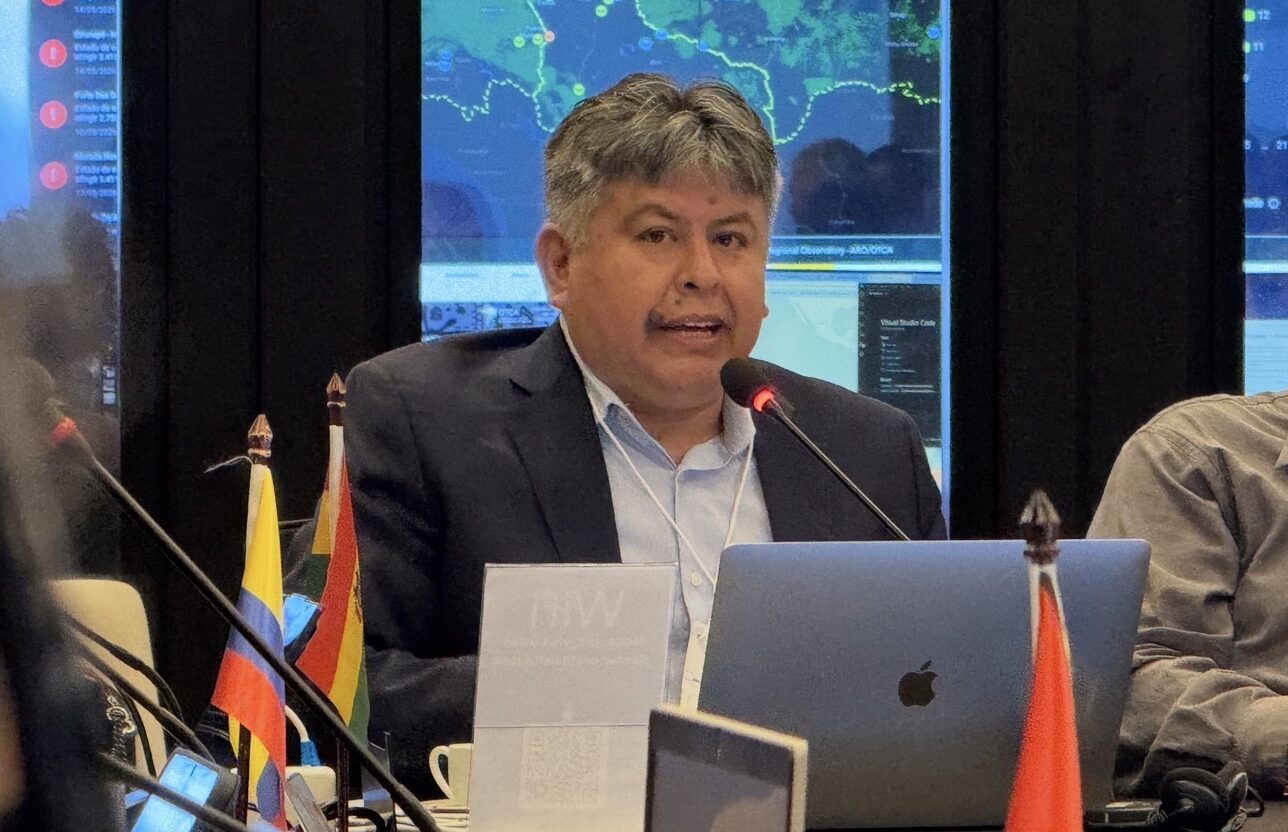
- Jorge Abad, regional coordinator of the Amazon Aquifer Systems Project.
According to Abad, the proposal aims to strengthen scientific understanding of groundwater flows and their relationship with Amazonian environmental systems, contributing to more integrated public policies and long-term regional strategies. Planned actions include hydrogeological research, monitoring, modeling, institutional analysis, and strengthening regional cooperation for groundwater management.
Pilot Projects
The third component of the project involves the implementation of eight pilot projects in Amazonian countries, focused on innovative solutions for the monitoring, protection, and sustainable management of groundwater.
The initiatives include studies on the impacts of gold mining on aquifers in Bolivia; multi-municipal cooperation mechanisms for the protection of groundwater in Colombia; hydrogeological characterization of the aquifer system in the Napo River basin in Ecuador; hydrogeological assessments for water security in Peru; mapping of groundwater resources in communities in Suriname; actions to protect natural recharge areas in Venezuela; as well as binational projects between Brazil and Bolivia and between Guyana and Suriname.
Among the binational pilot projects, the initiative between Brazil and Bolivia stands out, aimed at strengthening the governance of transboundary groundwater between Cobija, Brasiléia, and Epitaciolândia, integrating technical-scientific studies, institutional aspects, environmental education, and protocols that can be replicated in other areas of the Amazon.
Another binational initiative will bring together Guyana and Suriname in actions aimed at the integrated assessment and sustainable protection of transboundary sedimentary aquifers in the coastal regions of both countries. The project will seek to expand scientific knowledge about these shared systems and test innovative approaches to sustainable groundwater management in areas vulnerable to environmental and climate pressures.
Start of Regional Implementation
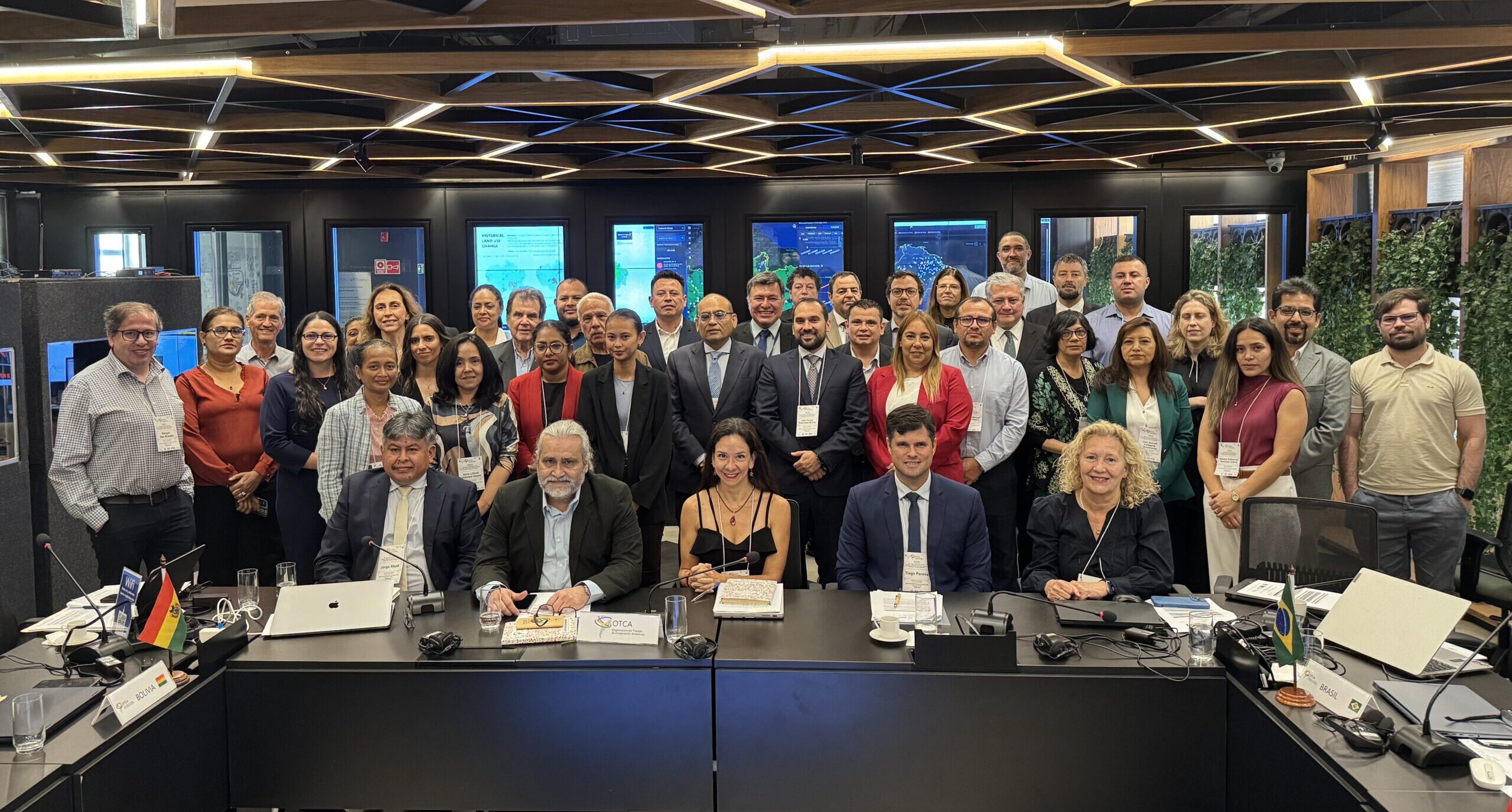
Representatives from OTCA member countries, UNEP, the IDB, and the OTCA Permanent Secretariat during the launch of the Amazon Aquifer Systems Project. Photo: Adriana Herrera
As part of the launch agenda for the Amazon Aquifer Systems Project, the Amazonian countries held the first meeting of the Project Steering Committee (PSC) on May 19 in Brasília. The PSC is responsible for guiding the regional implementation of the initiative.
During the meeting, the countries approved the Terms of Reference for the Steering Committee and the National Implementing Agencies (NIAs), the first Annual Operational Plan, and the budget for the first year of implementation.
The discussions also made it possible to define strategic priorities for the coming years, including the preparation of a Transboundary Diagnostic Analysis (TDA), the development of regional protocols for monitoring Amazonian aquifers for presentation to the Amazon Network of Water Authorities (ANWA) in 2027, and the identification of priority study areas.
The countries also agreed to strengthen the exchange of experiences among the eight pilot projects planned under the AAS, as well as to advance technical training and regional cooperation for the sustainable management of groundwater.
The Strategic Importance of Amazonian Aquifers
The Amazon Aquifer Systems constitute a vast groundwater network that spans various countries in the Amazon Basin and remains scientifically under-researched. Despite the abundance of rivers in the region, groundwater is essential for human water supply, ecosystem maintenance, and climate resilience, especially during dry periods. By strengthening scientific knowledge, regional governance, and transboundary cooperation, the AAS Project seeks to contribute to the protection of these strategic systems and to the long-term water sustainability of the Amazon.
Related news
23 de September de 2026
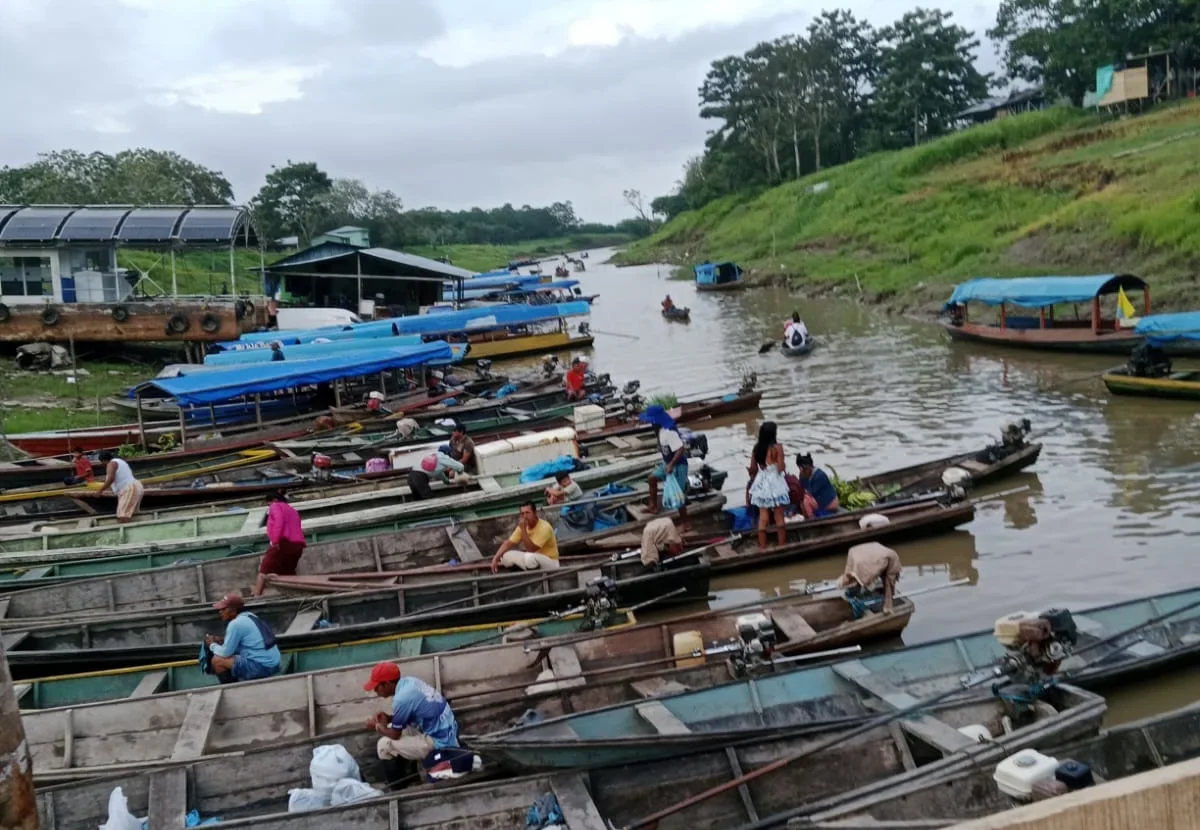
Communities from six locations in the Putumayo and Amazon River basins in Colombia participated in the development of a community-based [...]
22 de September de 2026
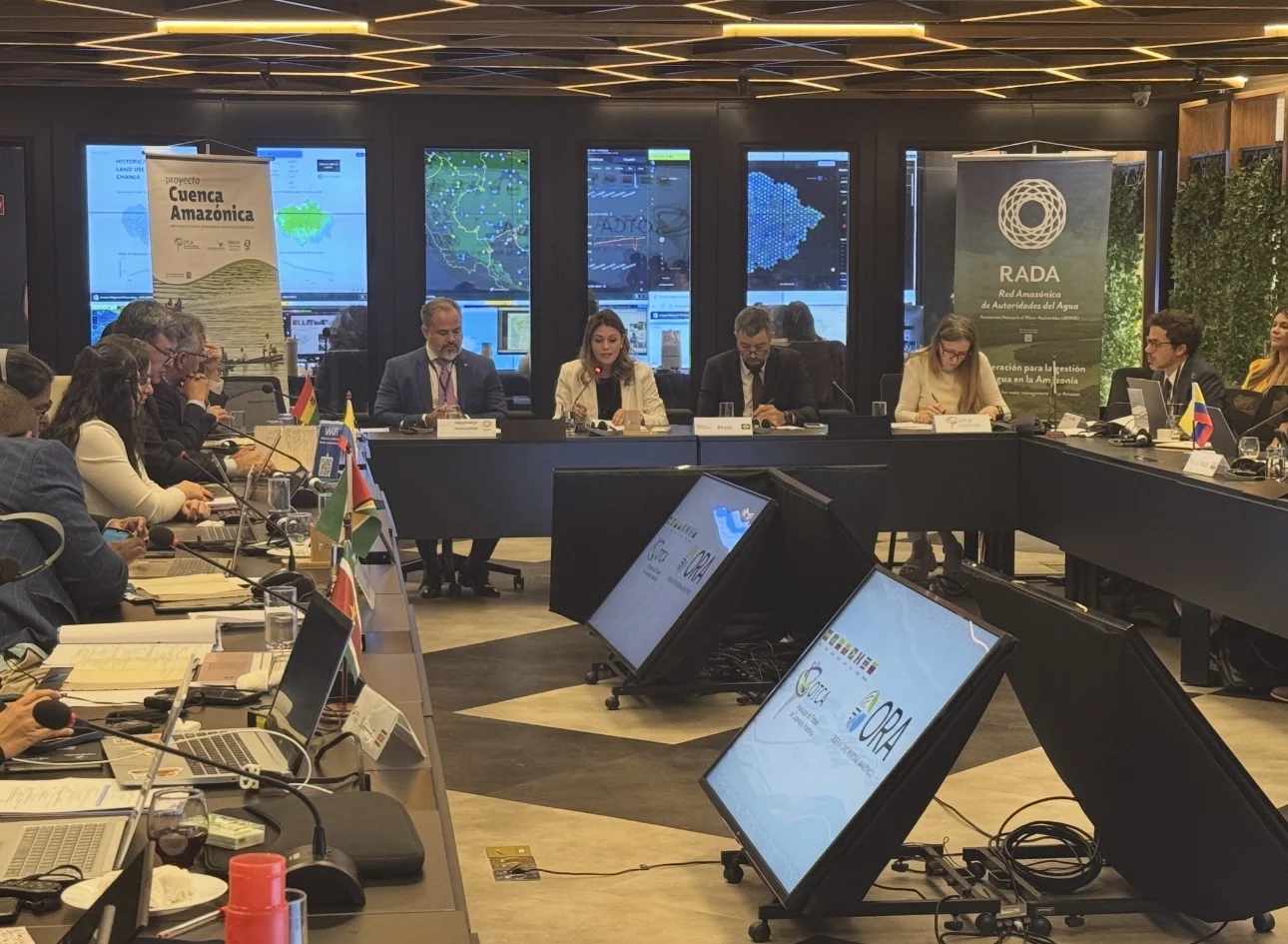
The Amazon Network of Water Authorities (ANWA) has approved its 2026–2028 Work Plan, which sets out the priorities and actions [...]

14 de August de 2026
The Amazon Basin Project (ACTO/UNEP/GEF), in partnership with Colombia’s Ministry of Environment and Sustainable Development and with technical support from [...]
