

On March 5 and 6, 2026, the city of Bogotá, Colombia, hosted a technical meeting that brought together experts and institutions to share progress and identify opportunities and challenges in implementing a participatory monitoring system in the Putumayo and Amazon rivers. The event was held as part of the national intervention of the Amazon Basin Project (ACTO/UNEP/GEF), which sought to strengthen socio-environmental knowledge in riverside communities that use shared fishery resources in these basins, as well as to promote the monitoring of aquatic ecosystems, with a view to developing joint guidelines for the management of hydrobiological resources between the fisheries and environmental authorities of Colombia and Peru.
Organized by the Amazonian Institute for Scientific Research (SINCHI), the meeting brought together 25 representatives from government institutions in both countries, research centers, and international organizations, establishing a forum for technical dialogue aimed at strengthening the shared management of hydrobiological resources in the Amazon region.
-
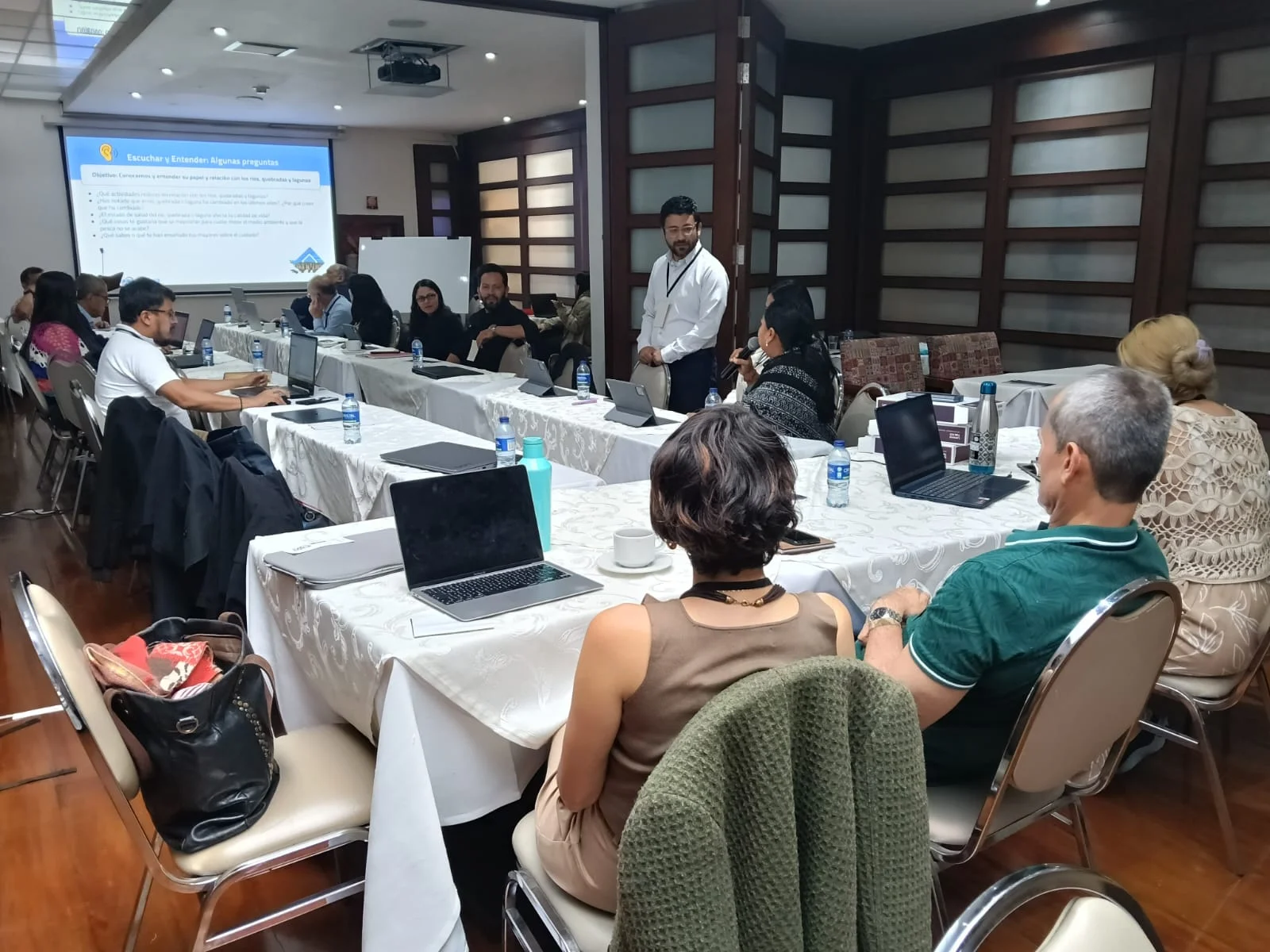
- Representatives from Colombia and Peru during the technical meeting aimed at strengthening the shared management of hydrobiological resources in the Amazon.
-
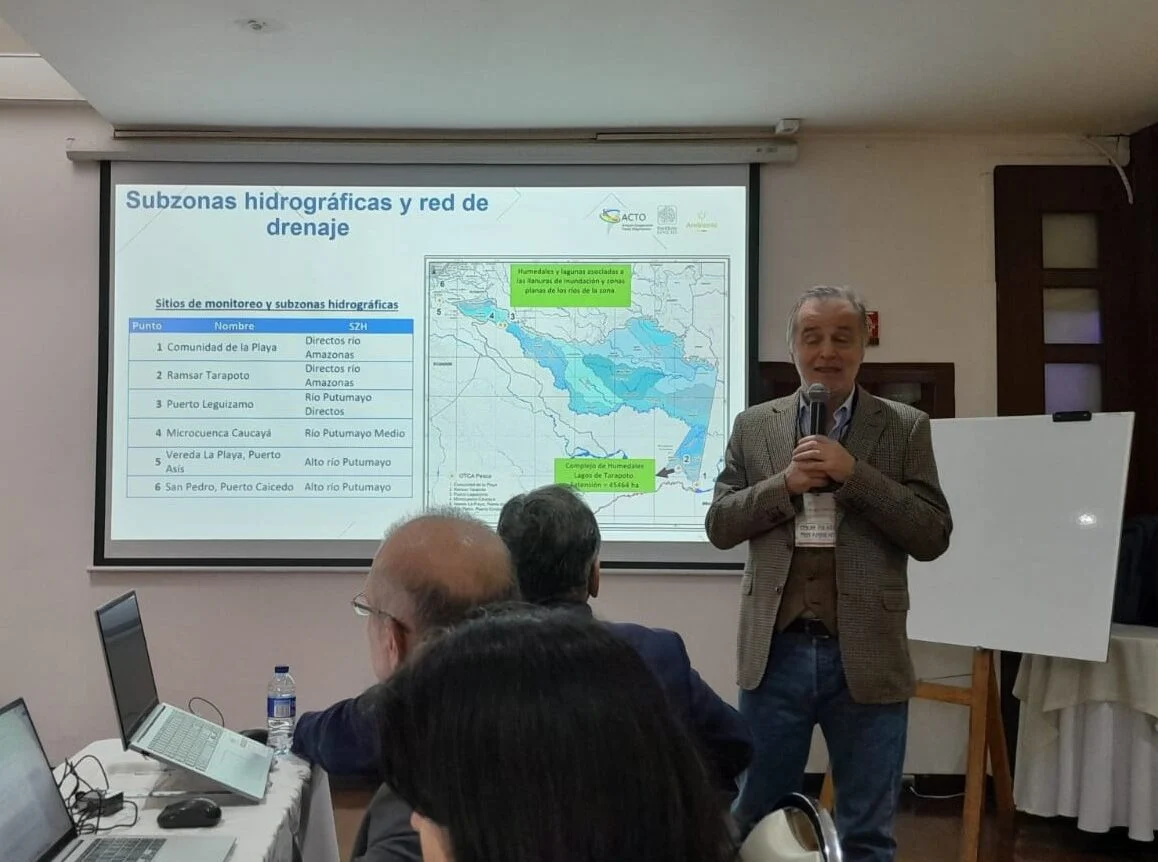
- Óscar Puerta, Director of Integrated Water Resources Management at the Colombian Ministry of Environment and Sustainable Development.
Initiative strengthens fisheries management
Located within the Border Integration Zone between Colombia and Peru, the area covered by the initiative is of significant socioeconomic and environmental importance. In this region, fishing—both for consumption and for ornamental purposes—is a strategic activity for local communities and the regional economy, while simultaneously facing pressures associated with the degradation of aquatic ecosystems and the overexploitation of high-value species.
In this context, the project proposes the implementation of an aquatic ecosystem monitoring system aimed at ensuring the sustainability of fishery resources in the Colombia–Peru Border Integration Zone (ZIFCP), specifically in the Putumayo and Amazon river basins. The system seeks to integrate biological, environmental, and socioeconomic information, with the aim of supporting fisheries management and decision-making in a transboundary context.
The area of operation covers more than 277,000 km², including territories in the department of Amazonas and the municipality of Puerto Leguízamo in Colombia, as well as the provinces of Mariscal Ramón Castilla and Putumayo in the department of Loreto, Peru. This is a region of high ecological richness, where approximately 8.9% of the territory is under some form of protection, totaling more than 2.46 million protected hectares across the two countries.
The continuous generation of information and the involvement of riverside communities are central elements of the initiative, contributing to the strengthening of local governance and the development of a technical foundation that facilitates coordination between Colombia and Peru in the management of shared resources.
Challenges and cooperation for sustainability
Discussions held during the meeting highlighted that the Colombia–Peru Border Integration Zone is home to aquatic ecosystems that are strategic for Amazonian biodiversity and for the food security of populations that depend on fishing. In this context, the role of wetlands and floodplains in maintaining hydrological cycles was emphasized, as these are fundamental areas for the reproduction, feeding, and refuge of fish species.
Participants also highlighted that changes in precipitation patterns, temperature, and river flow can impact ecological cycles and fishery productivity, reinforcing the need for integrated, transboundary monitoring systems. Given that resources are shared among countries, effective management depends on the coordinated production and exchange of scientific information.
Another key point was the identification of information gaps regarding the interactions between species of socioeconomic importance and the communities that depend on them, particularly in the Putumayo River basin, which hinders the harmonization of conservation and regulatory standards among countries.
As a result of the meeting, the importance of monitoring as a strategic tool for climate change adaptation was reinforced, enabling the assessment of trends, the anticipation of risks, and the strengthening of the management of aquatic ecosystems and fisheries. In this regard, the progress generated by the initiative will contribute to the development of a regional monitoring system for aquatic ecosystems in the Amazon, aimed at strengthening integrated management, decision-making, and cooperation among the countries of the region.
The event reaffirms the role of the Amazon Basin Project in supporting national initiatives that promote regional cooperation and the sustainability of natural resources, contributing to biodiversity conservation and the well-being of Amazonian populations.
Related news
23 de September de 2026
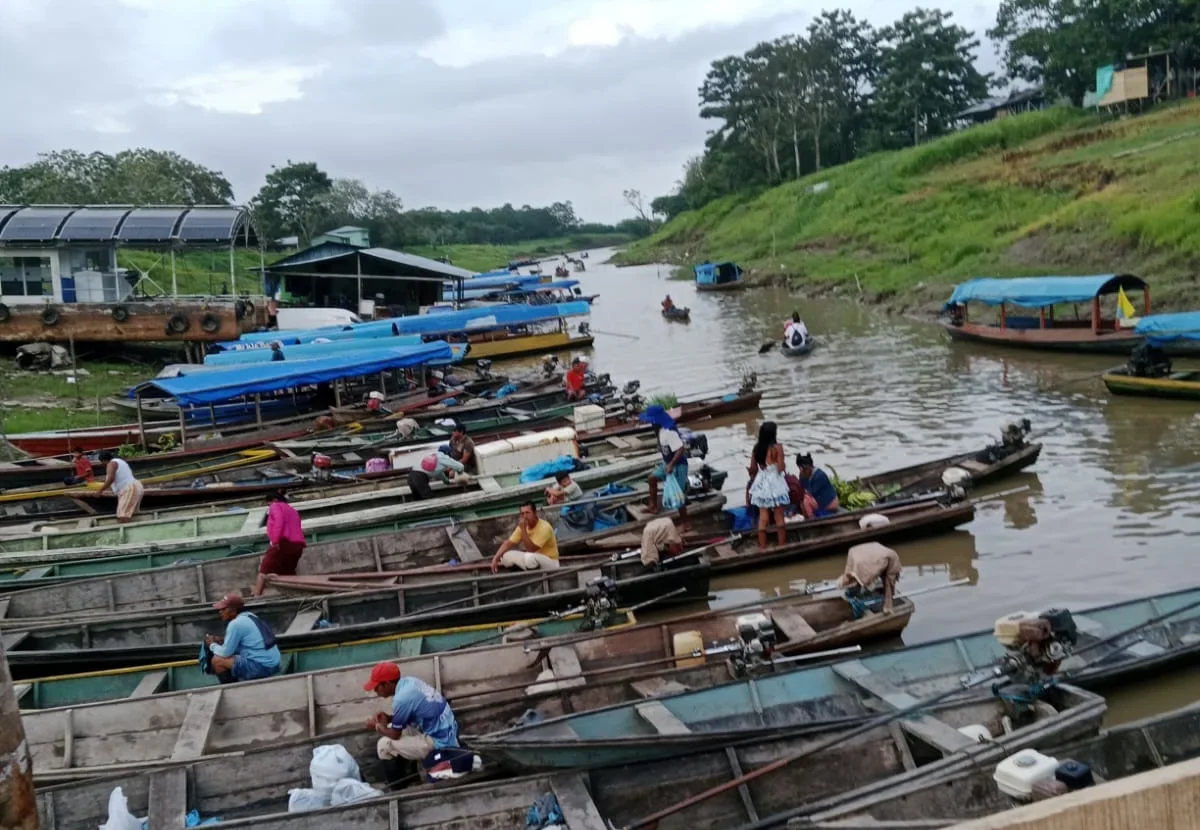
Communities from six locations in the Putumayo and Amazon River basins in Colombia participated in the development of a community-based [...]
22 de September de 2026
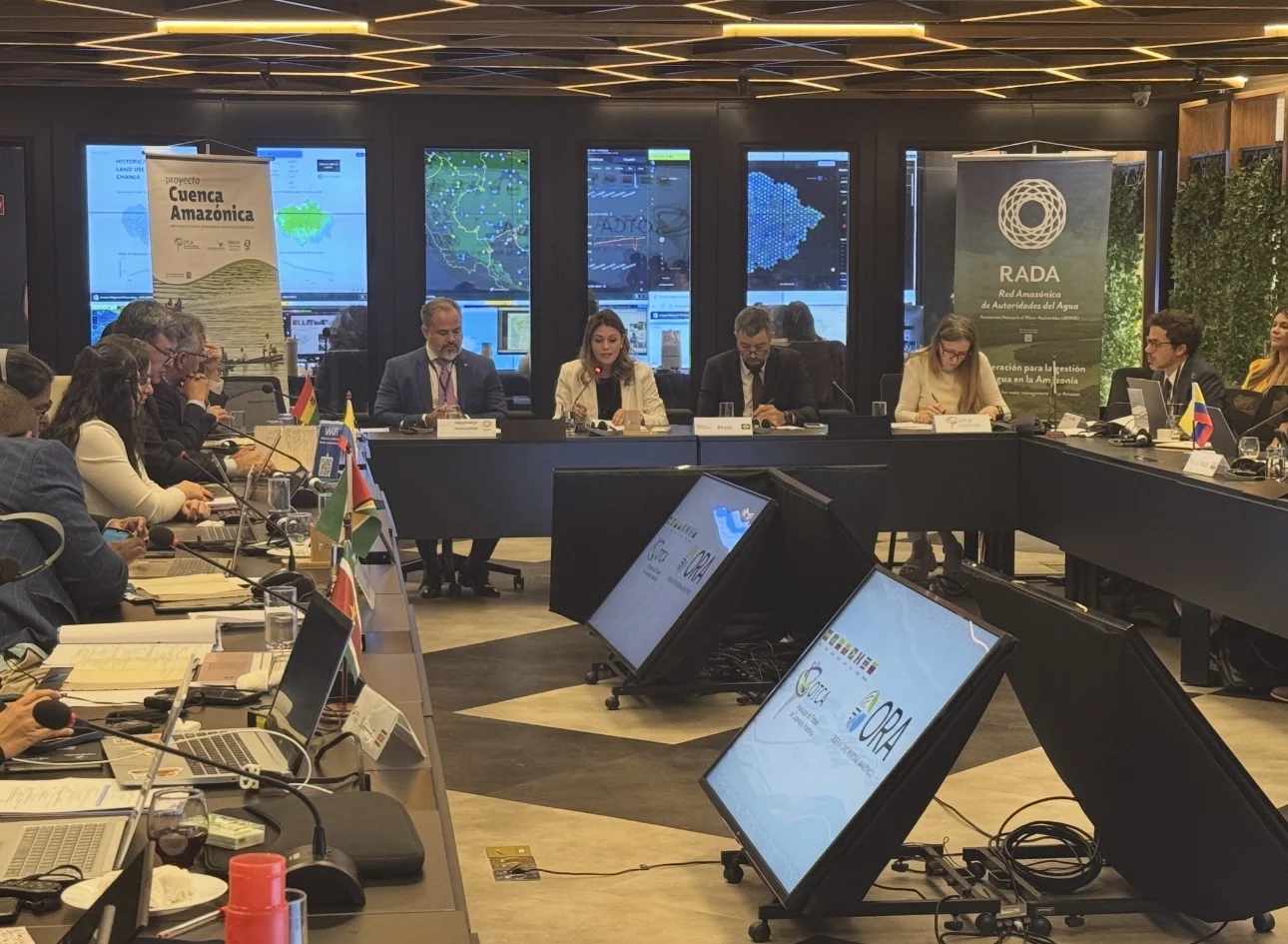
The Amazon Network of Water Authorities (ANWA) has approved its 2026–2028 Work Plan, which sets out the priorities and actions [...]
11 de September de 2026
With support from the Amazon Basin Project – Implementation of the Strategic Action Program (SAP), Ecuador declared the Nueva Esperanza [...]
