

The eight Amazonian countries, working within the framework of the Amazon Cooperation Treaty Organization (ACTO), have been jointly strengthening their human and institutional capacities for Integrated Water Resources Management (IWRM) in the Amazon Basin. This effort seeks to ensure the robustness and reliability of regional networks for monitoring water quantity and quality, promote the consistent implementation of regional protocols that harmonize hydrological, water quality, and geospatial data, encourage technological innovation, and strengthen the recognition of the role of women in water management.
Covering approximately 6.1 million km² and holding about 20% of the planet’s surface freshwater, the Amazon Basin is the world’s largest river basin and one of its most complex socio-environmental systems. The eight countries share rivers, aquifers, and ecosystems, as well as common challenges related to water pollution, ecosystem degradation, biodiversity loss, and the impacts of climate change. Addressing these challenges requires cooperation, coordination, and strong institutional capacities at regional level.
To address these challenges, Amazonian countries are implementing the Strategic Action Program (SAP) for Integrated Water Resources Management in the Amazon Basin through the Amazon Basin Project, under the GEF/UNEP/ACTO framework. Since 2021, the project has operated as a regional instrument to strengthen water governance, align policies, and translate IWRM principles into practice across borders.
Within this context, capacity development has been a central component of the Amazon Basin Project. Between 2023 and 2025, more than 1,000 professionals from the eight Amazonian countries participated in training activities that integrate science, technology, governance, and social inclusion. These efforts emphasize balanced participation of women and men and focus on strengthening national and regional capacities for the practical implementation of the SAP.
-
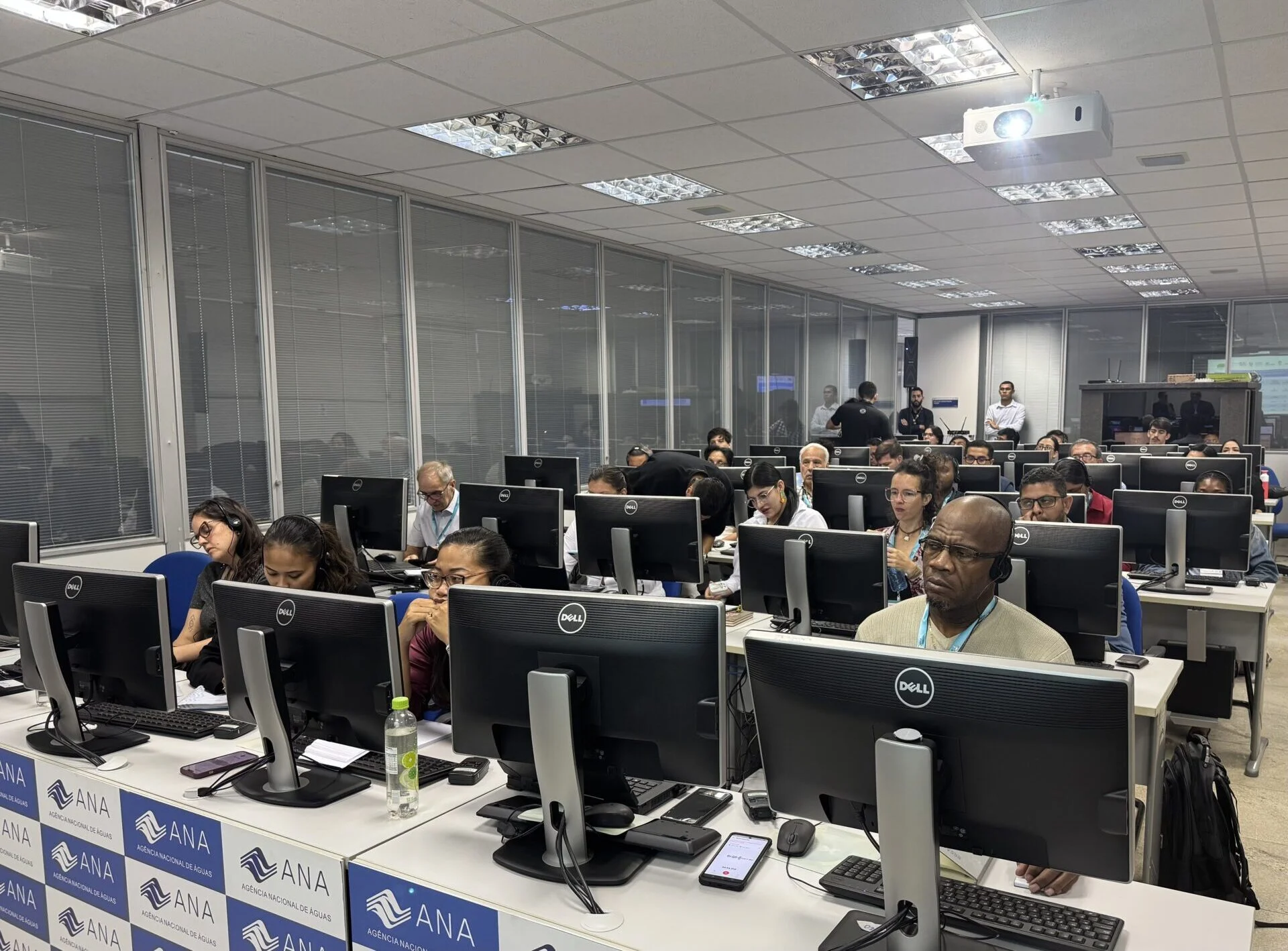
- Participants in the Spatial Hydrology Course during a training session held in Brasilia at the facilities of Brazil’s National Water and Basic Sanitation Agency (ANA).
-
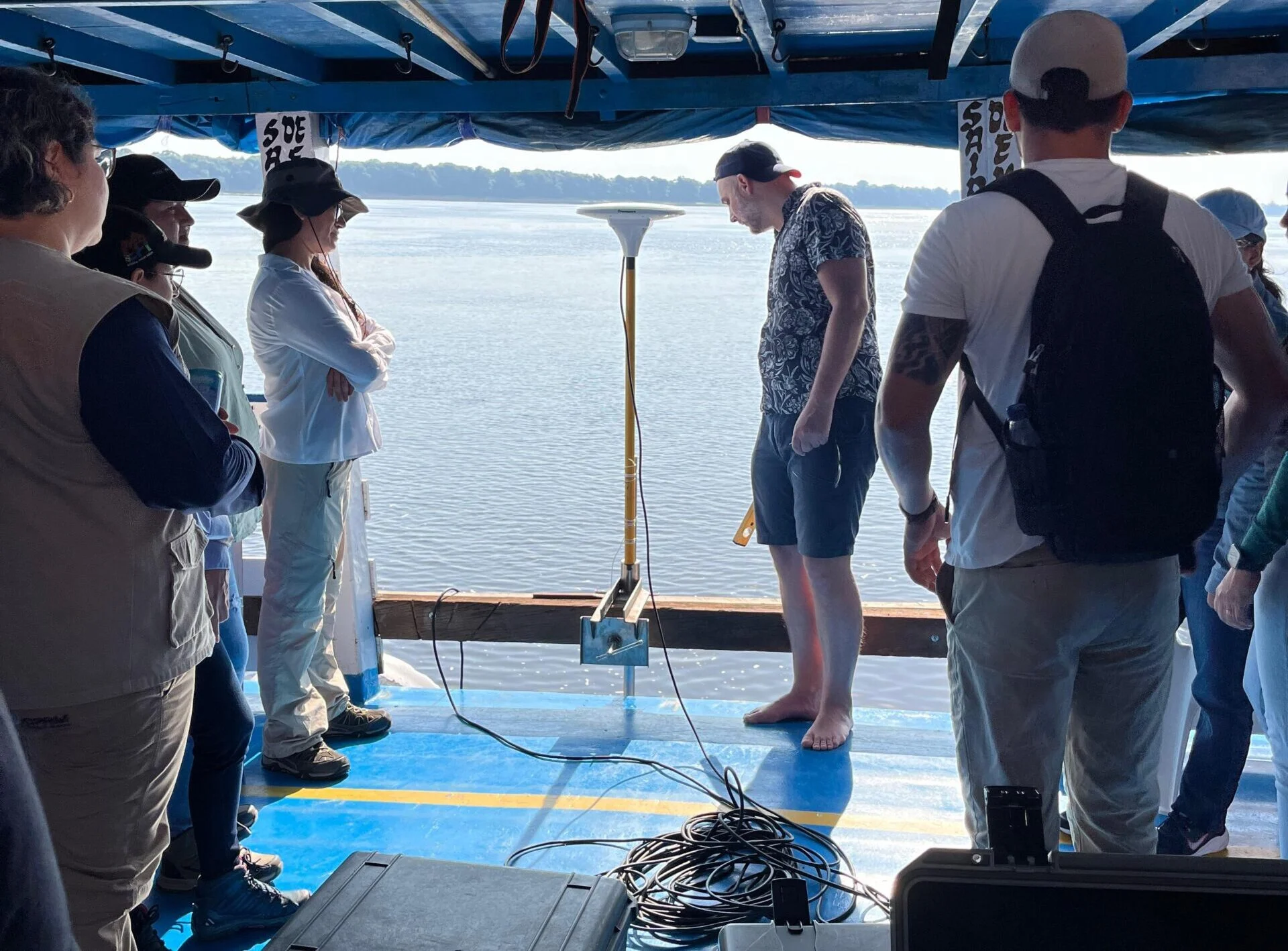
- Participants in the Hydrology Course receive practical training on the operation of measuring equipment on the Negro River in the Brazilian Amazon.
From source to sea
IWRM in the Amazon Basin is guided by a Source-to-Sea approach that considers the entire water continuum, from the Andean headwaters to the Atlantic Ocean, and recognizes the interconnections between water, land, ecosystems, and human activities. This basin-wide perspective supports more coherent decision-making across sectors and scales and provides a common framework to address water security, climate change, and sustainable development challenges.
Within this framework, the Amazon Basin Project organized regional training activities based on the Source-to-Sea approach developed by the Stockholm International Water Institute (SIWI). The training provided participants with a shared understanding of IWRM across the basin and supported the alignment of policies, management tools, and institutional practices related to the implementation of the SAP. As a complementary component, the Global Water Partnership (GWP) IWRM Toolbox was presented to inspire the adaptation of global tools to the Amazonian context. Participatory methodologies, including games and simulation exercises, were used to strengthen cooperation, negotiation, and decision-making in transboundary contexts.
Monitoring Amazonian waters
Strengthening water monitoring capacities is a key component of IWRM in the Amazon Basin. Training activities focused on the implementation of Regional Water Monitoring Protocols adopted by the Amazon Network of Water Authorities (RADA), a technical cooperation forum under ACTO. Developed jointly by the eight countries, these protocols establish common standards to harmonize monitoring practices and support the coordinated operation of regional networks for water quantity and quality.
-
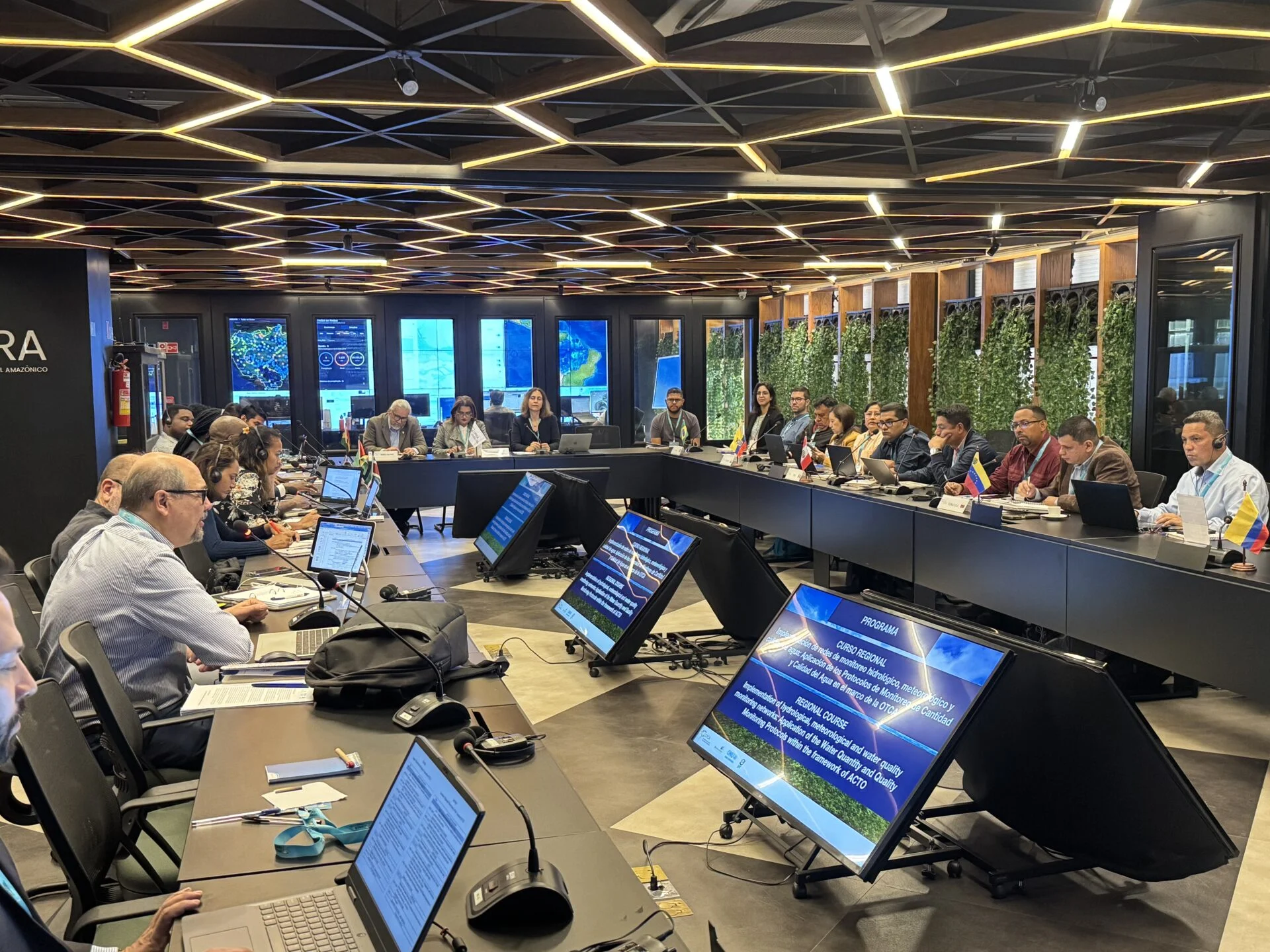
- Regional course on the application of regional monitoring protocols at ACTO headquarters in Brasilia.
-
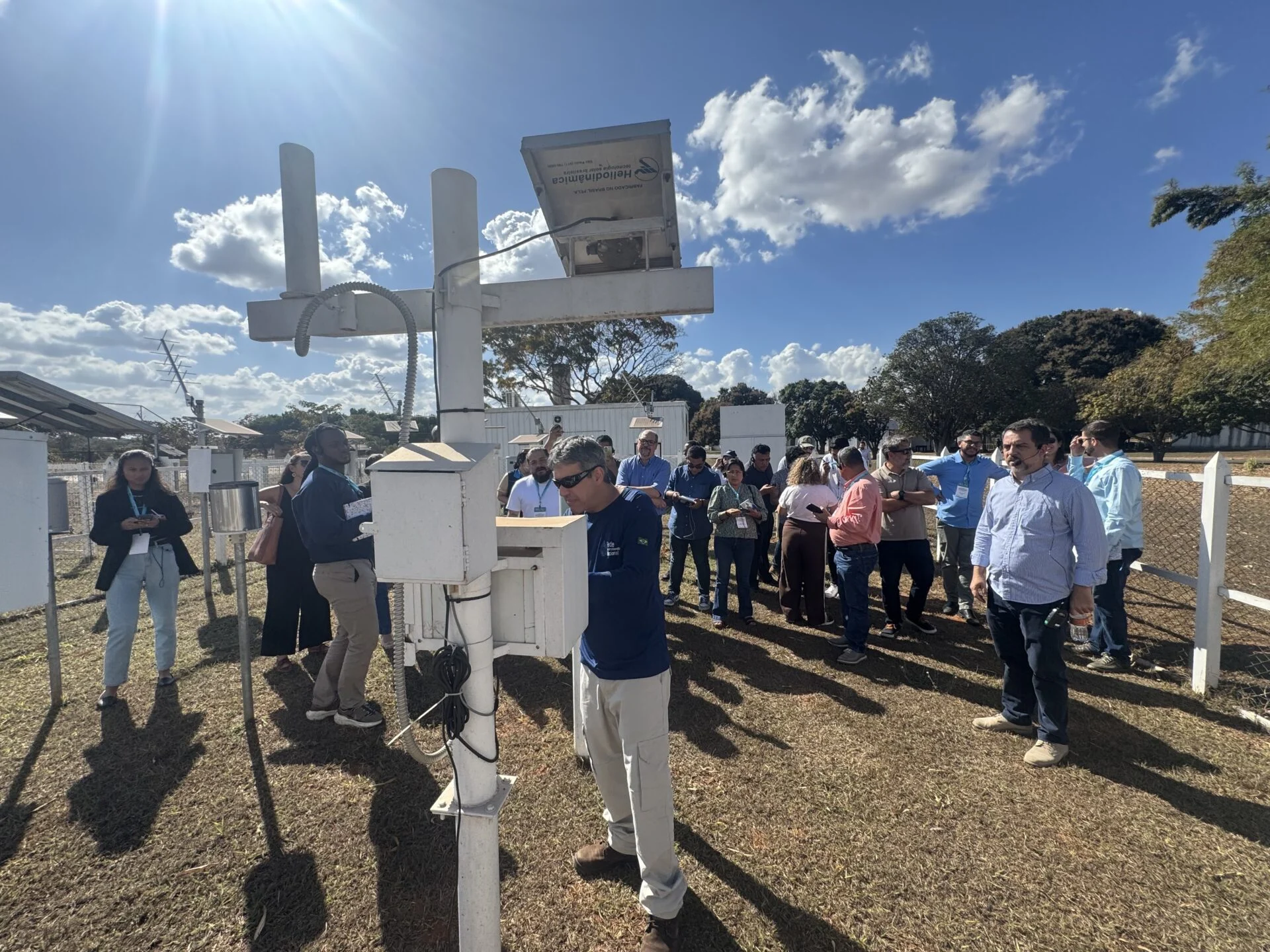
- Practical class of the course on the application of regional monitoring protocols at the National Water and Sanitation Agency of Brazil.
Through regional courses, professionals from across the basin strengthened their understanding of shared procedures, responsibilities, and institutional arrangements related to integrated monitoring, while exchanging experiences on the application of common standards in transboundary contexts. Additional training in spatial hydrology supported the expanded use of geospatial and remote sensing data, complementing field observations and enhancing hydrological analysis at national and regional levels.
Gender equality in Amazonian water management
Recognizing the central role of women in water management, Amazonian countries have strengthened the integration of a gender perspective into IWRM as part of SAP implementation. Between 2023 and 2024, the Amazon Basin Project conducted in-person gender training activities in the eight countries, aimed at expanding national capacities to plan, monitor, and evaluate the integration of gender considerations into water-related policies, plans, programs, and projects.
These activities brought together more than 500 professionals working in IWRM and related sectors. The skills developed contribute to promoting gender equality, strengthening women’s participation in water governance, and supporting more equitable access to and control over water resources and their associated benefits.
-
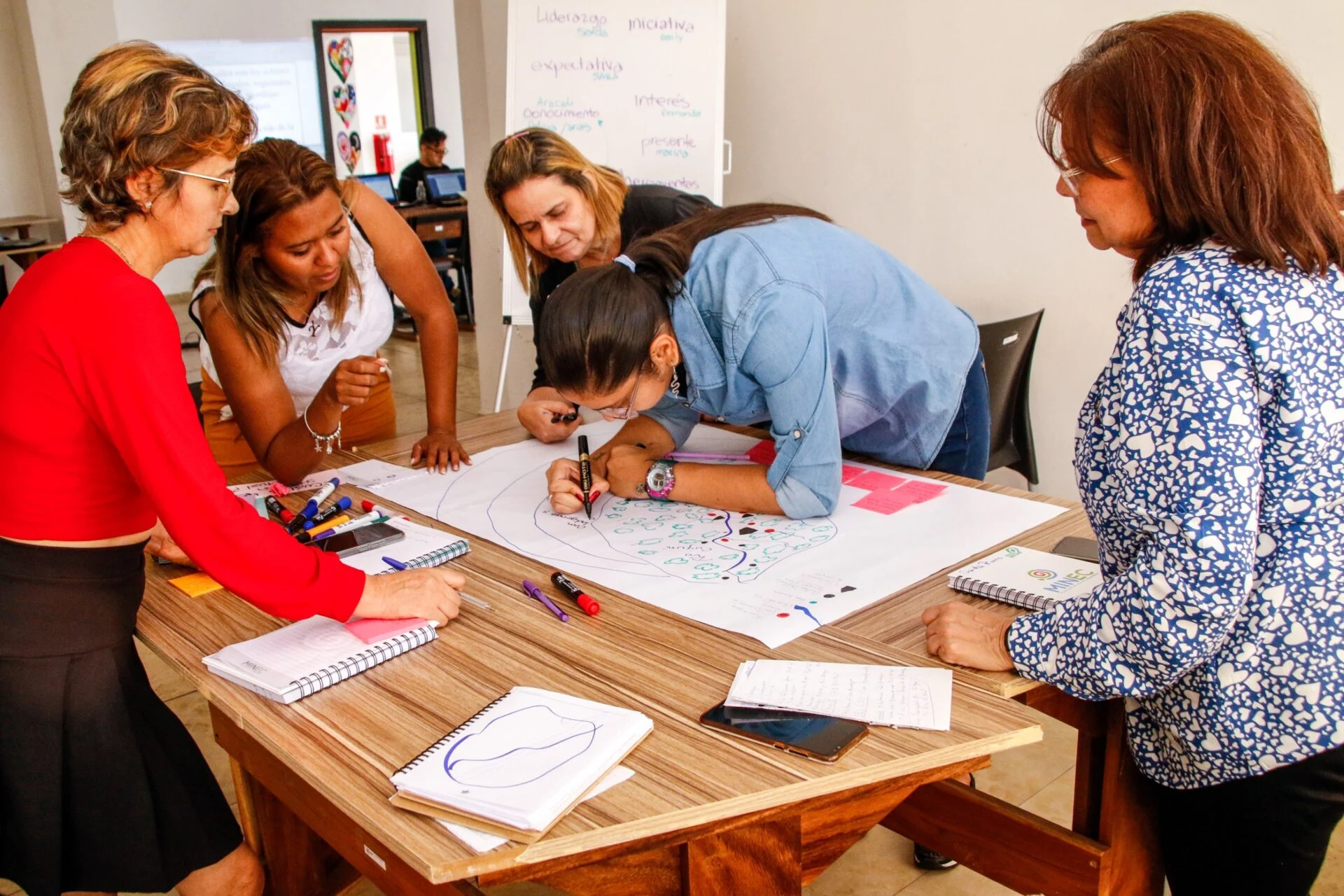
- Participants work in groups during a training course on gender in Caracas, Venezuela.
-
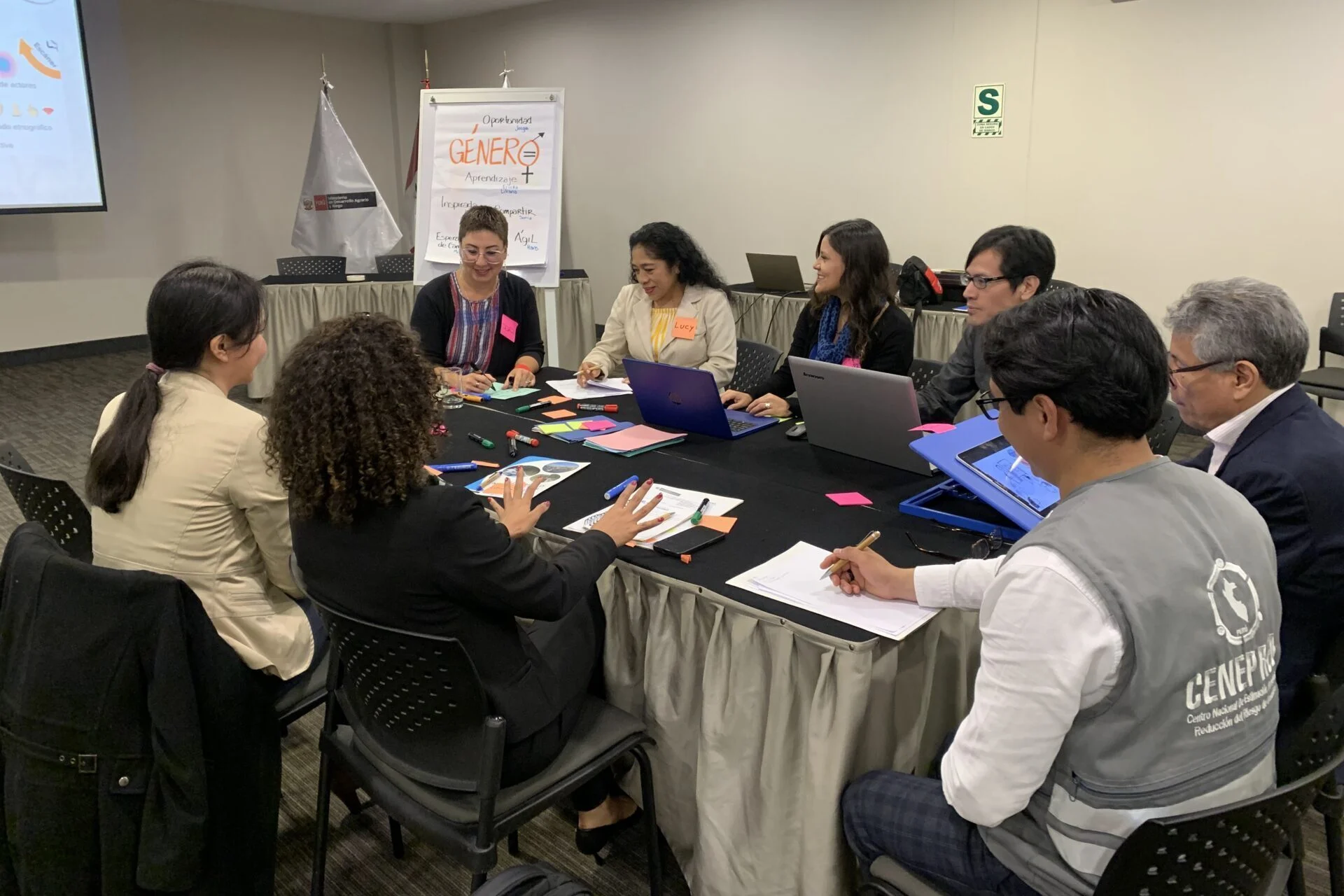
- Working group of the gender training in Lima, Peru.
Strengthening local capacities and project legacy
Beyond regional training, the Amazon Basin Project also invests in strengthening local capacities to support the practical implementation of IWRM across the eight countries. These efforts reinforce institutional capacities, support climate adaptation and sustainable water management, and strengthen the link between technical knowledge, decision-making, and local action.
Building on the knowledge and experience accumulated through capacity-building efforts at regional and local levels, the project translates learning into resources with broader reach, extending its legacy beyond institutional settings. Two key outcomes of this process are designed as open and transferable learning assets, accessible to a wide range of users.
One of these outcomes is the Toolbox for Water Management in the Amazon, an online platform developed through a participatory process and inspired by the GWP IWRM Toolbox. Adapted to the Amazonian context, the platform systematizes knowledge, methods, and practical guidance to support IWRM implementation and decision-making. Available in Spanish, Portuguese, English, and Dutch, the toolbox is accessible to practitioners, policymakers, researchers, and partners beyond ACTO countries.
This legacy is reinforced through ongoing learning processes, including an online course on gender equality in Amazonian water management launched in 2025. By transforming training into lasting tools and networks, the Amazon Basin Project strengthens regional cooperation and contributes to the long-term sustainability of integrated water management in the Amazon Basin.
Related news
12 de March de 2026
The Amazon Basin Project (ACTO/UNDP/GEF), in association with the Inter-American Development Bank (IDB) and the University of Maryland, held an [...]

25 de April de 2025
In Santa Cruz de la Sierra, Bolivia, on April 25, during the third meeting of the Amazonian Network of Water [...]

9 de March de 2025
On April 25, in Santa Cruz de la Sierra, Bolivia, the Amazonian Network of Water Authorities (ANWA/RADA) will meet to [...]
