

Index
Topics
Share
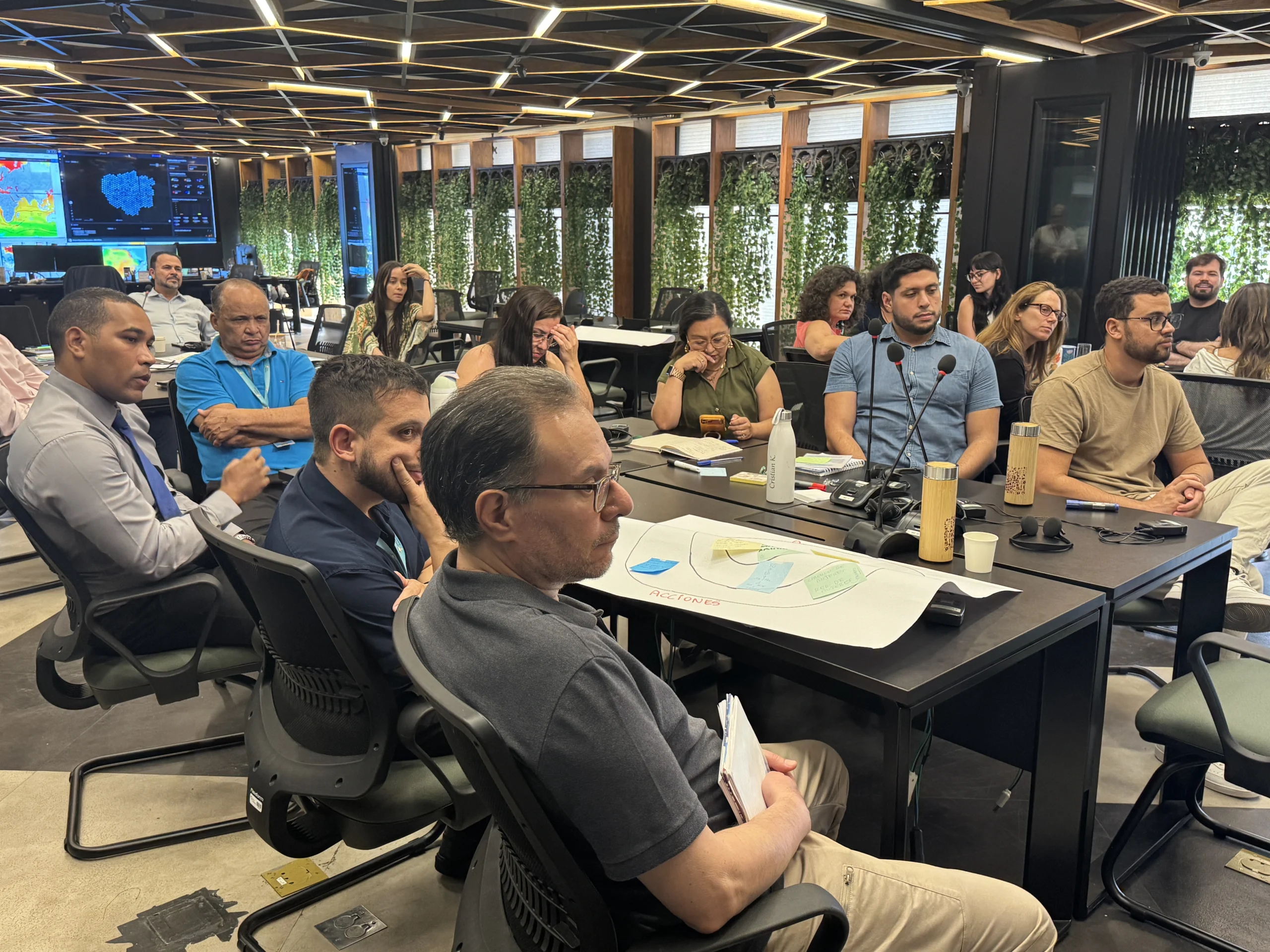
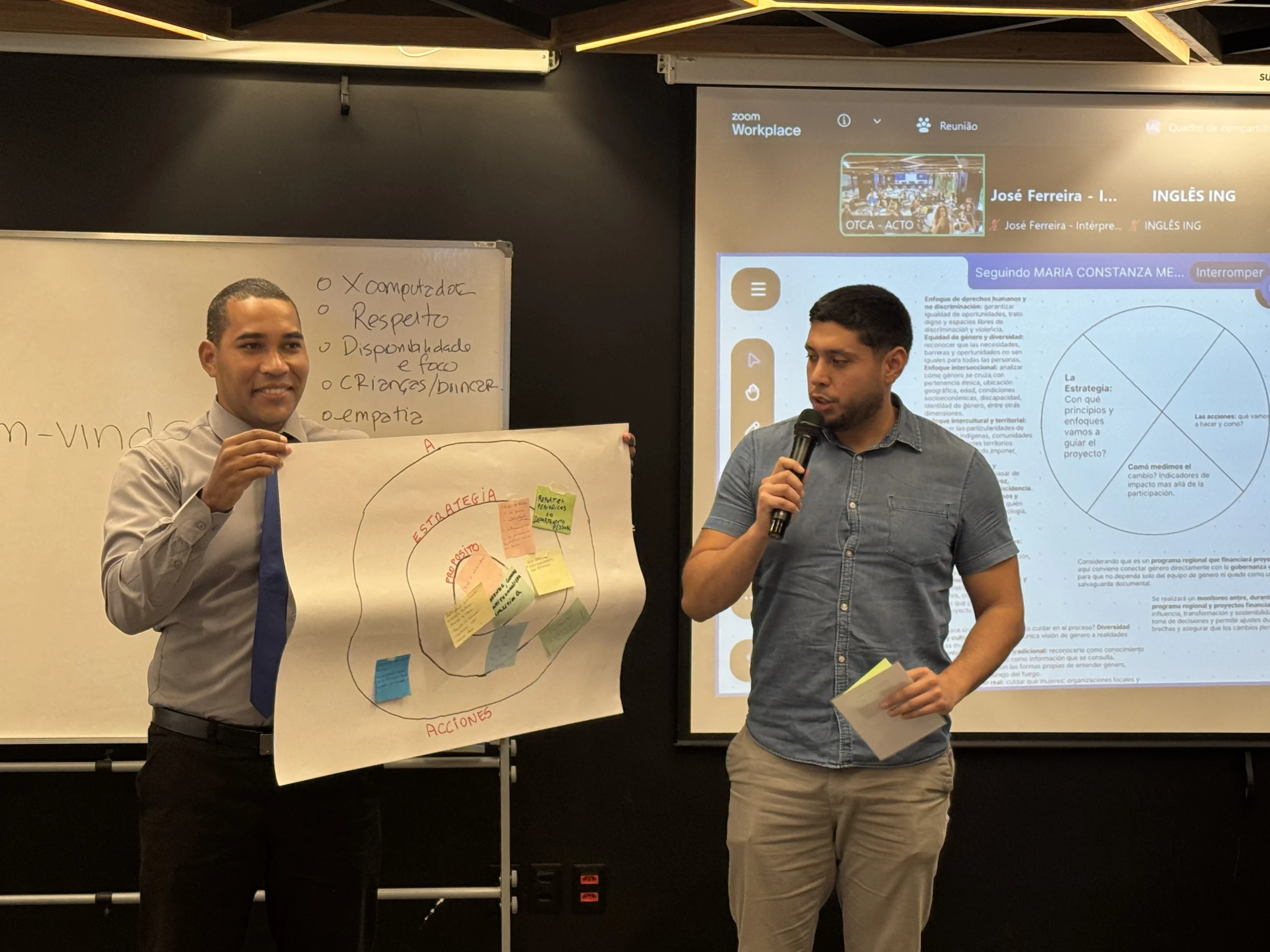
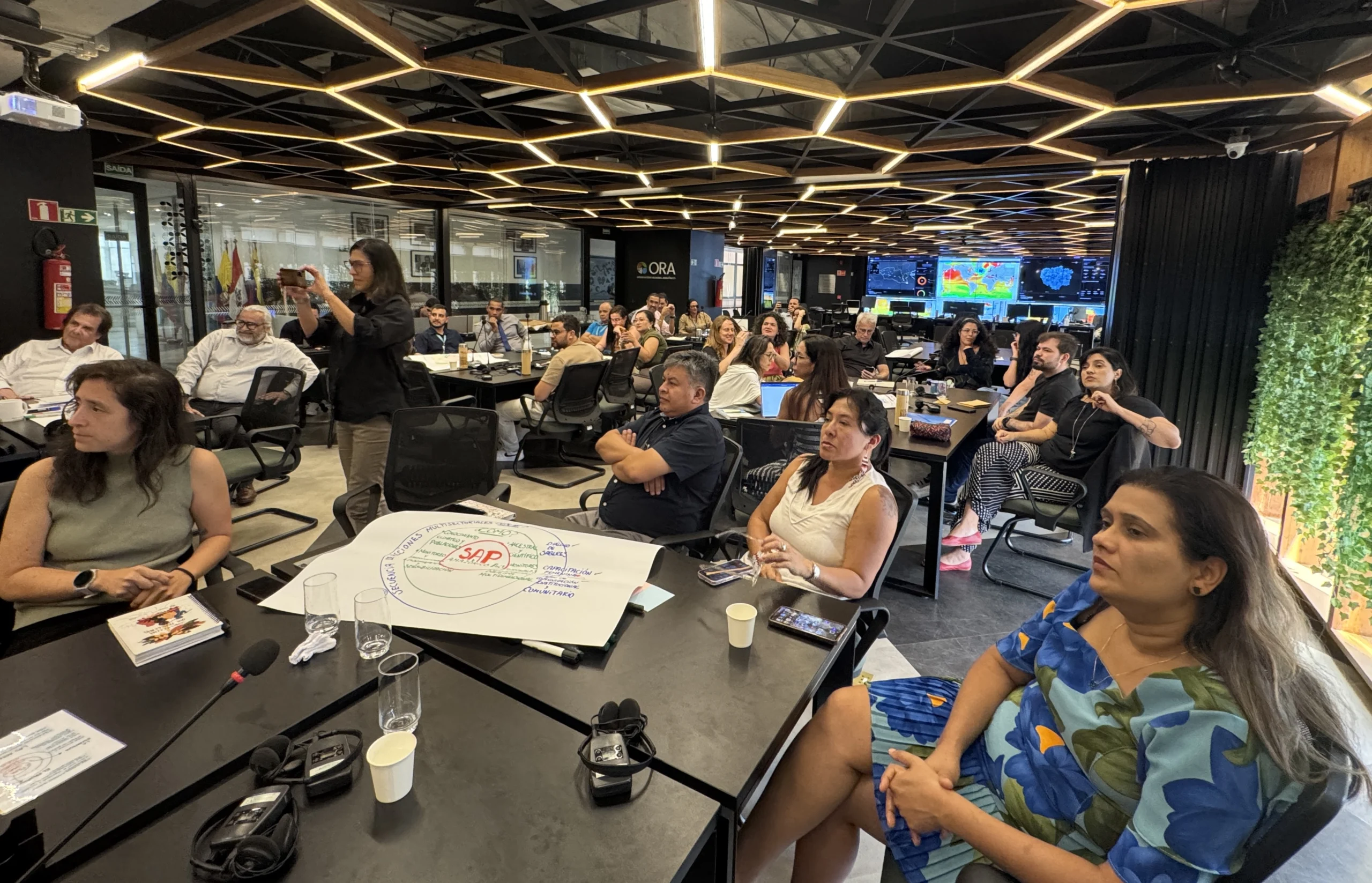
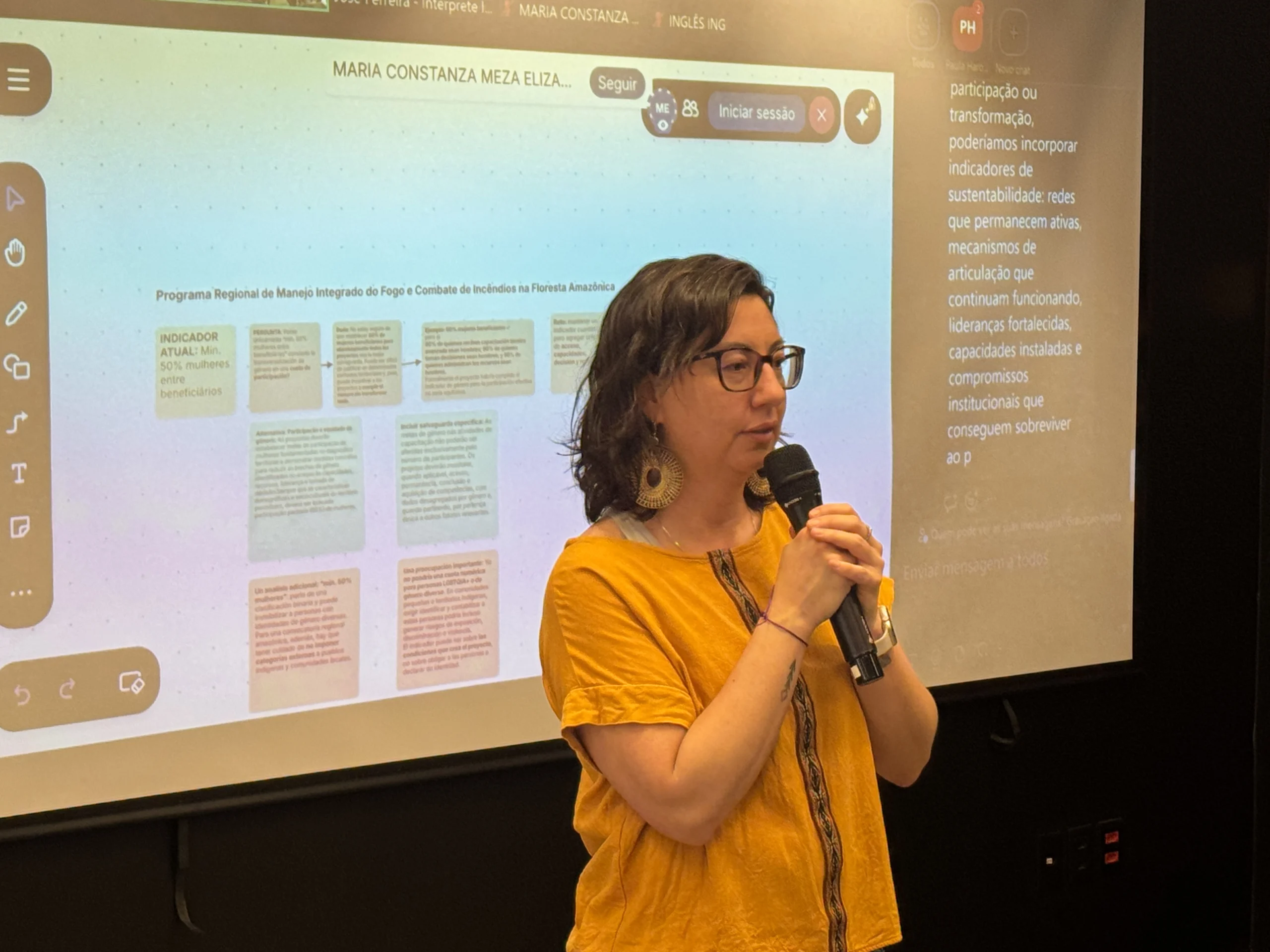
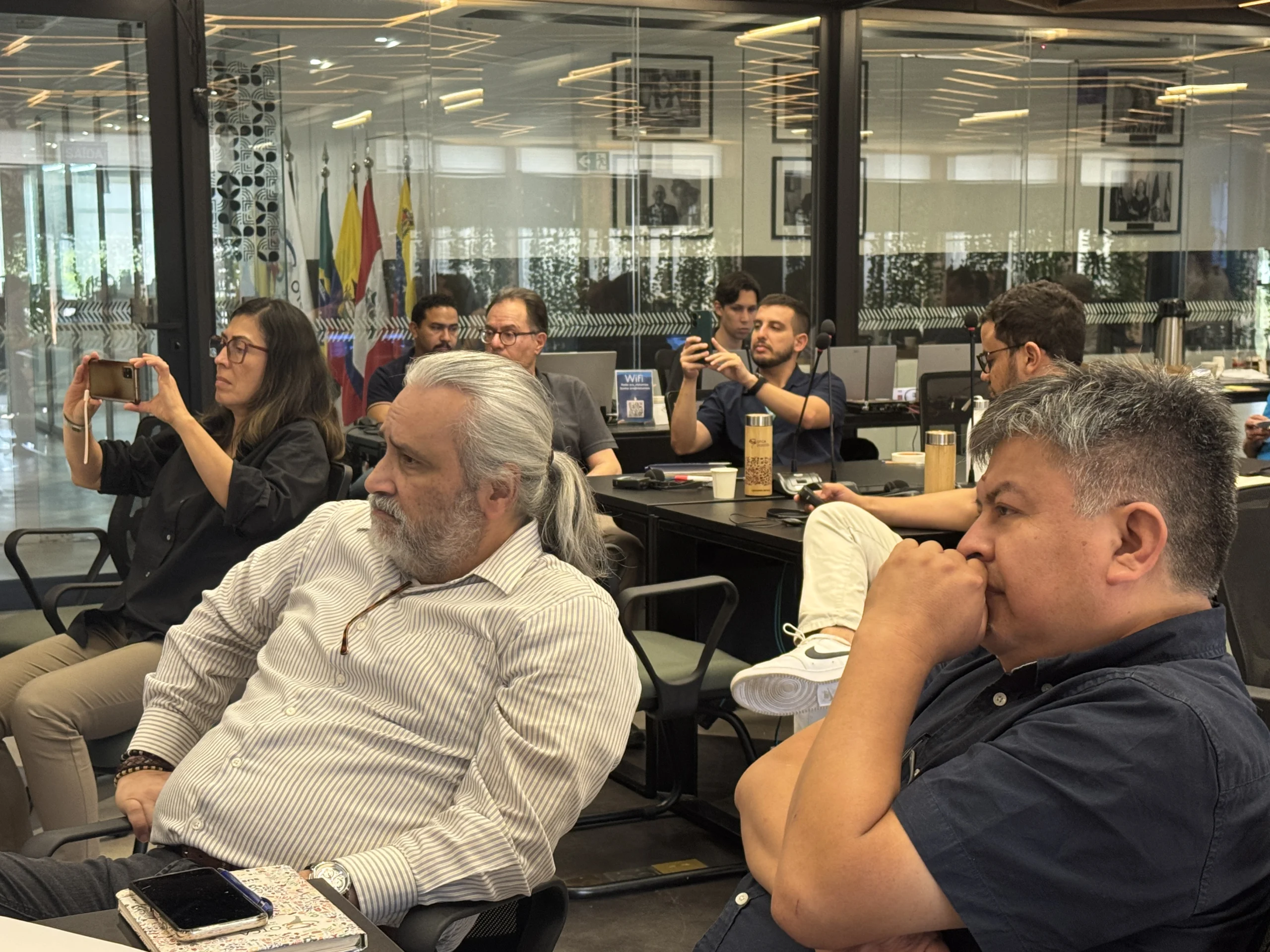
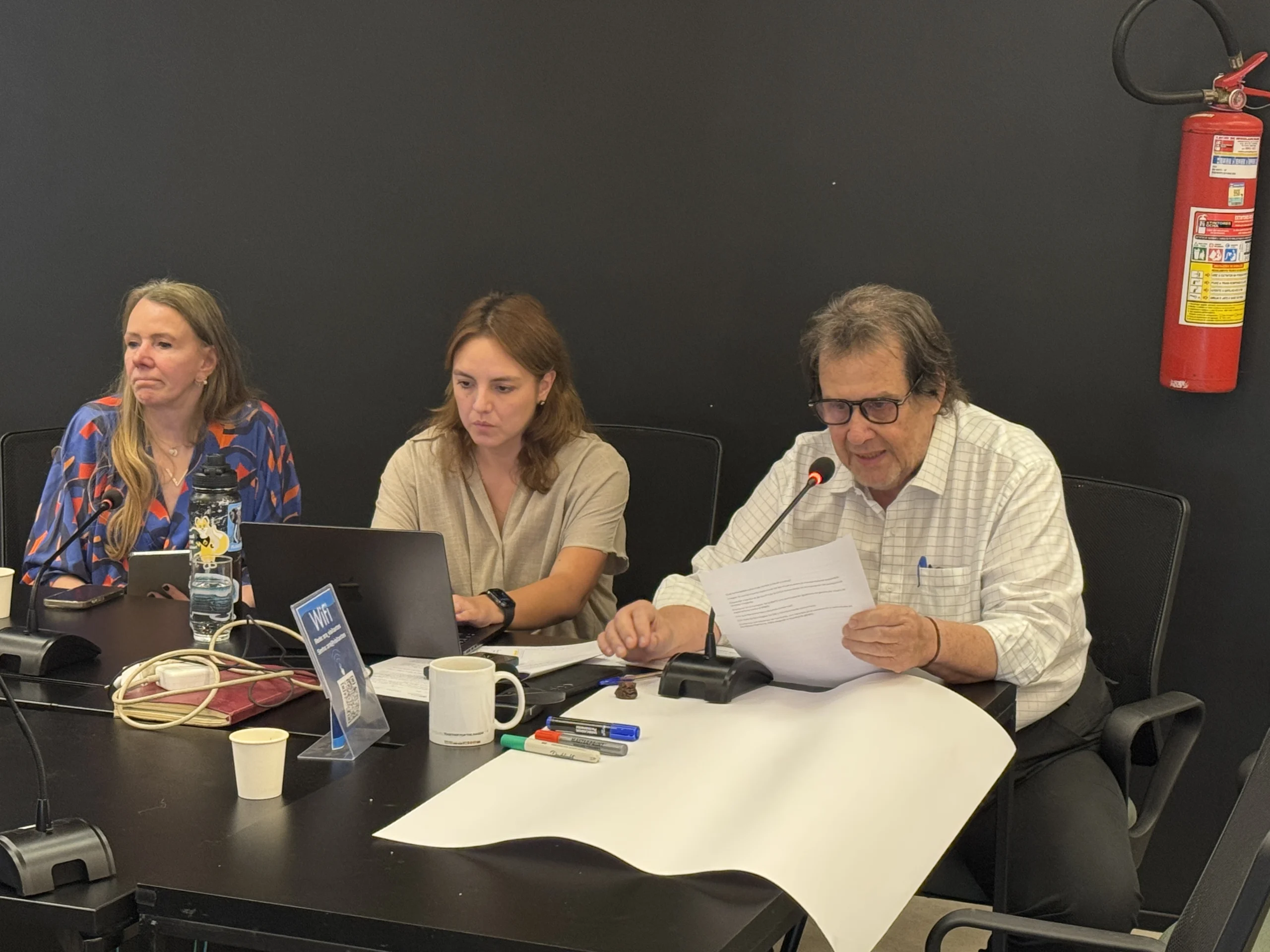
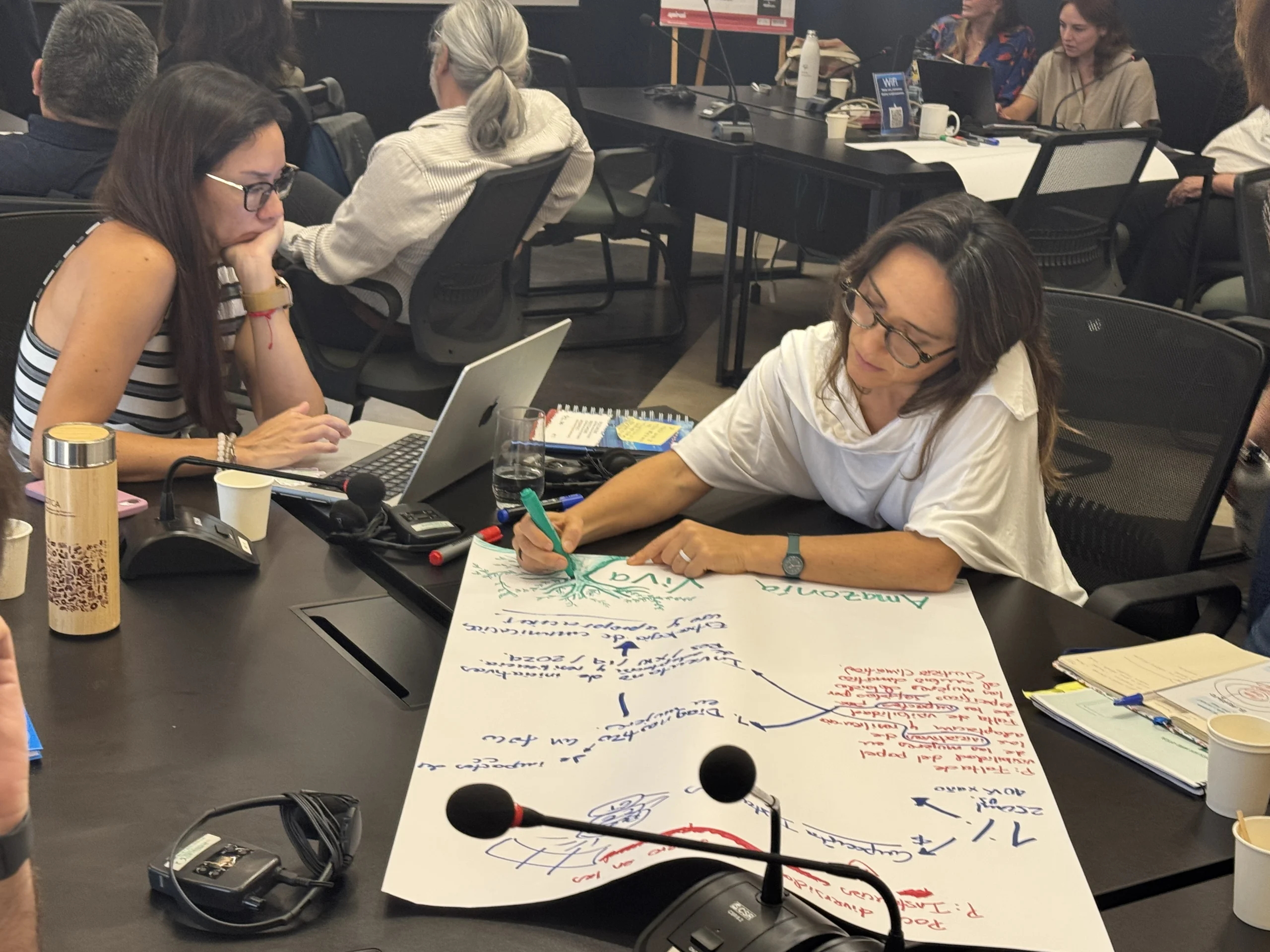
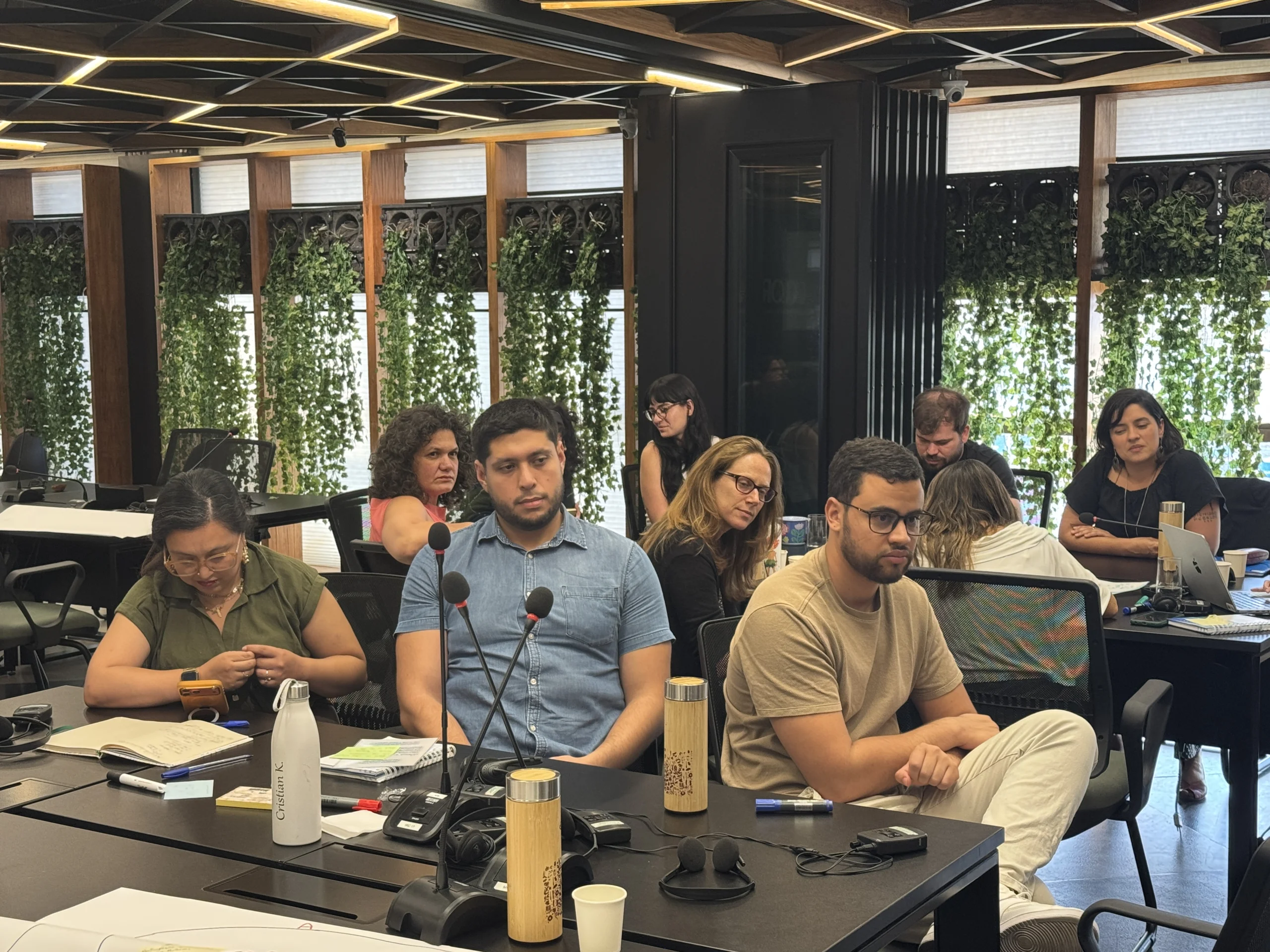
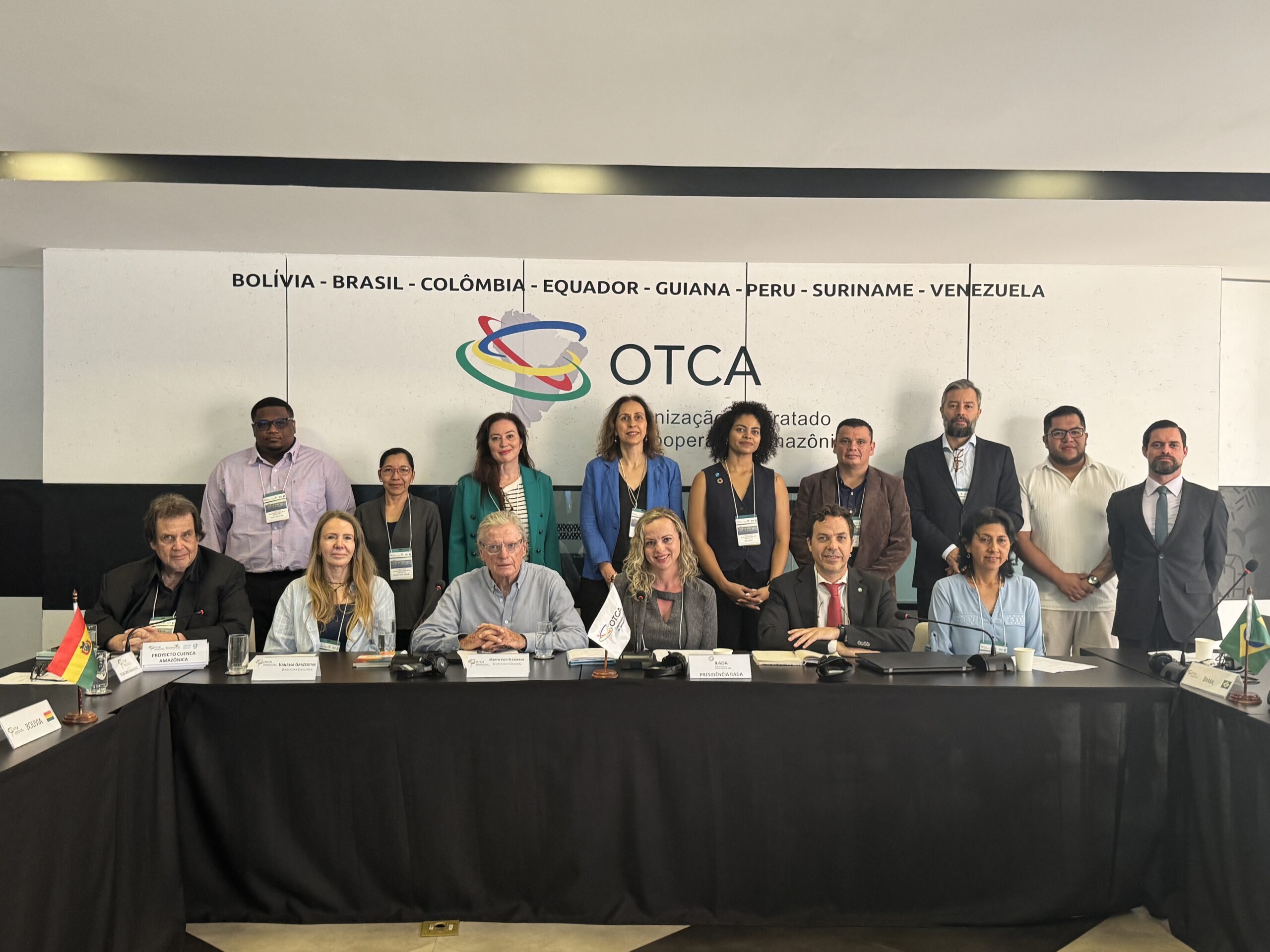
The Permanent Secretariat of the Amazon Cooperation Treaty Organization (PS/ACTO) held its first internal gender training session on Tuesday, September 1, as part of the Organization’s efforts to strengthen the incorporation of a gender perspective into its management, programs, projects, and initiatives.
The activity brought together staff from the Permanent Secretariat, project coordinators, and project teams and addressed key concepts related to gender equality, diversity, and intersectionality, as well as their application within the institutional environment and in the actions carried out by ACTO.
The initiative is part of a broader process to institutionally strengthen the gender agenda within the Organization. In this context, ACTO has been working, within the framework of the Amazon Basin Project – SAP Implementation, on the development of its Institutional Gender Policy, which is currently in its final stage. The document seeks to establish guidelines to promote an inclusive and non-discriminatory organizational culture that values diversity, promotes equal opportunities, and strengthens women’s participation and leadership, while taking into account intersectionality and the different conditions that can deepen inequalities and discrimination. It also seeks to mainstream the gender perspective across ACTO’s plans, programs, and projects.
This process builds on the commitments undertaken by the eight Member Countries in the Belém Declaration, adopted in August 2023, and reaffirmed within the framework of the XIV Meeting of Ministers of Foreign Affairs of ACTO Member Countries, held in November of the same year. Among the resolutions adopted at the meeting, Resolution 10 establishes the incorporation of a gender perspective into projects and initiatives developed within the framework of ACTO, with the active participation of women, in order to promote their rights and empowerment.
The training strengthens the capacity of ACTO teams to incorporate a gender perspective both into the Organization’s internal practices and processes and, in a cross-cutting manner, into the programs, projects, and initiatives implemented across the Amazon Region.
Photos: Archive / Amazon Basin Project

Related news
14 de October de 2026
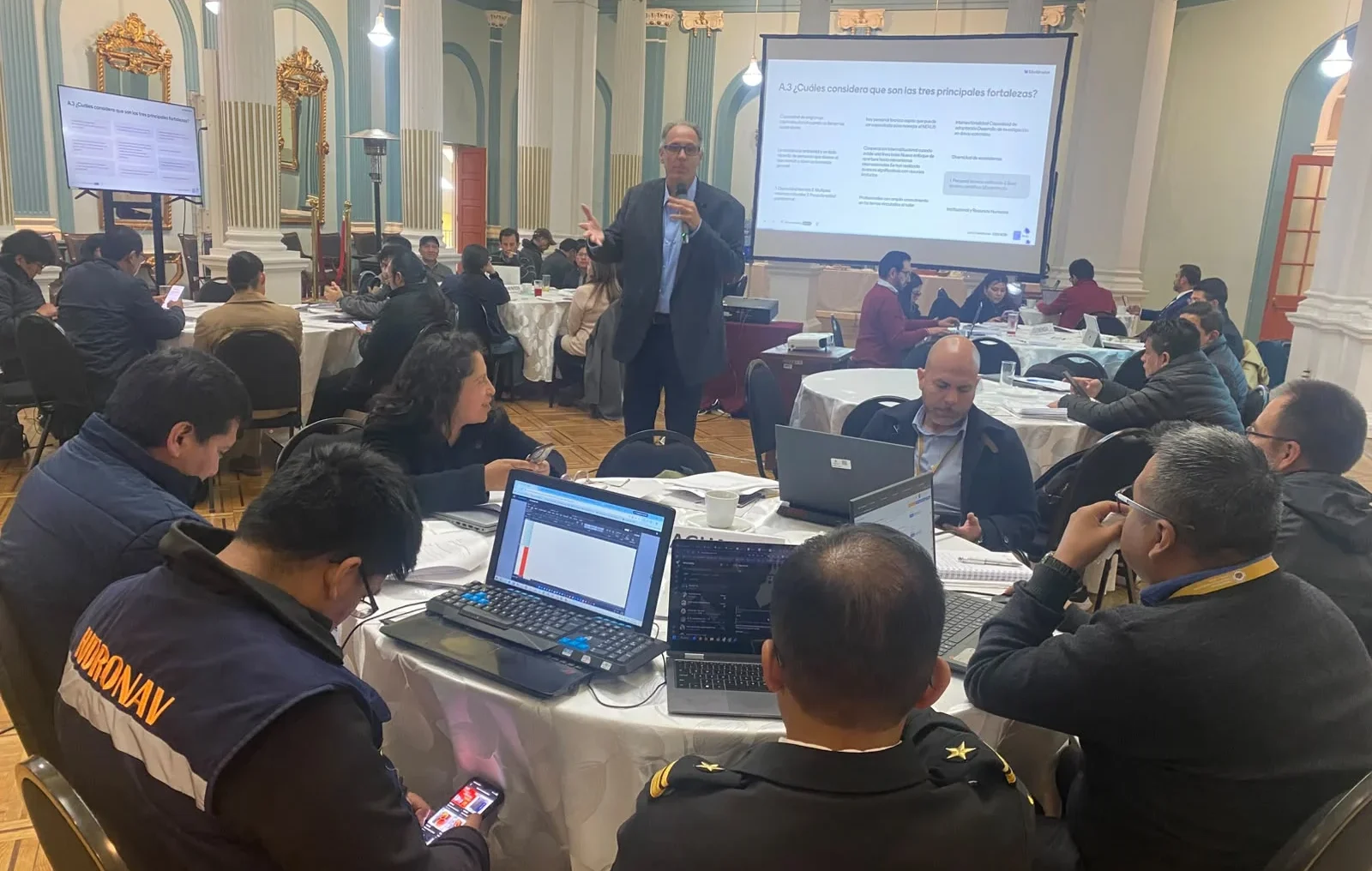
The water authorities of the eight Member Countries of the Amazon Cooperation Treaty Organization (ACTO) adopted the Water White Paper [...]
25 de September de 2026
Colombia launched, in late July, the series of National Nexus WEFE Workshops to be held across the eight Member Countries [...]
23 de September de 2026
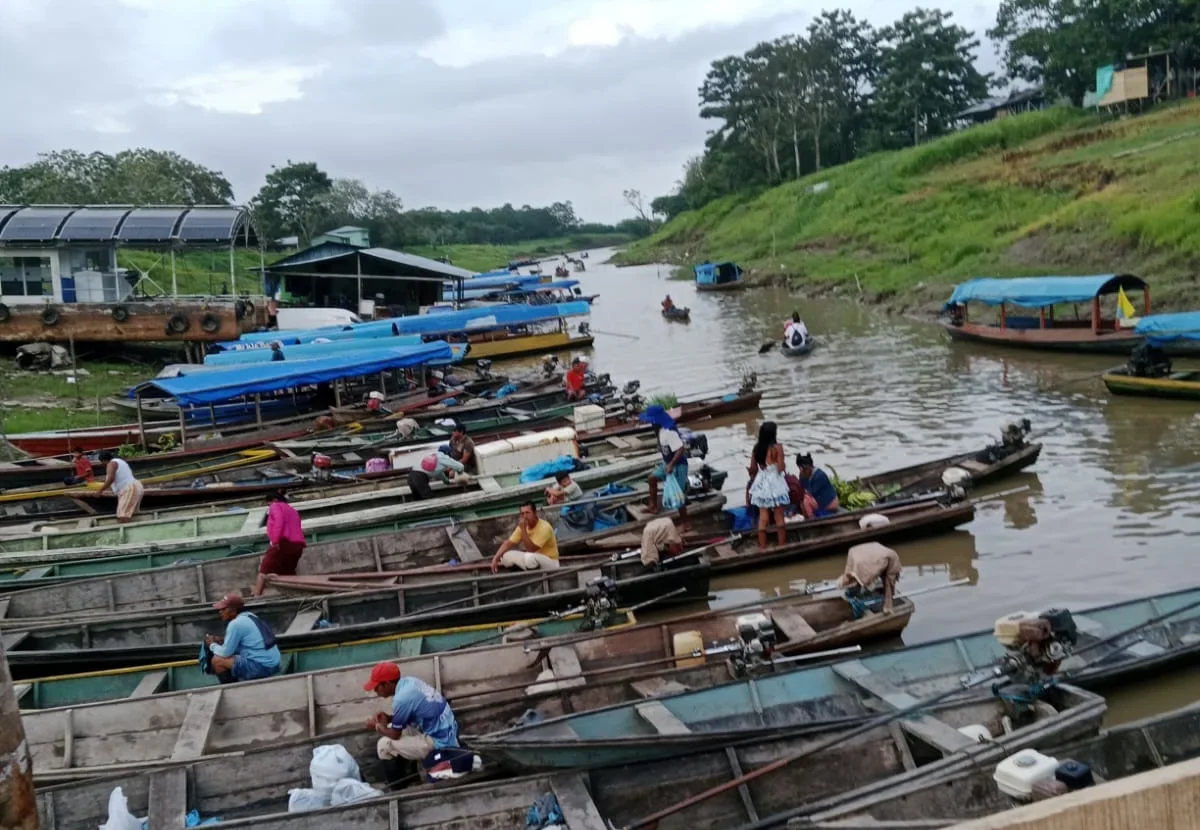
Communities from six locations in the Putumayo and Amazon River basins in Colombia participated in the development of a community-based [...]
