

Index
Topics
ACTO, Amazon Basin, Amazon Cooperation Treaty Organization, Colombian Amazon, Cuenca Amazónica, Esquemas de Pago por Servicios Ambientales (PSA), Organização do Tratado de Cooperação Amazônica (OTCA), Payment for Environmental Services (PES), Programa de Ações Estratégicas (PAE), SAP Implementation, Sostenable tourism, Turismo sostenible
Share
The Amazon Basin Project (ACTO/UNEP/GEF), in partnership with Colombia’s Ministry of Environment and Sustainable Development and with technical support from the Amazonian Institute of Scientific Research (SINCHI), promoted the participatory development of three Payment for Environmental Services (PES) Schemes for the Amazonian departments of Guainía, Guaviare and Vaupés.
Designed around the ecological, social and cultural characteristics of each territory, the three schemes establish guidelines for implementing PES with the aim of contributing to the protection of ecosystems that are strategic for water regulation and strengthening the role of Indigenous and local communities in Amazon conservation.
Conserving water starts with listening to the territories
Listening to those who live in the Amazon was the starting point for developing the three Payment for Environmental Services Schemes. Through this dialogue, the Ministry of Environment, with technical support from the SINCHI Institute, integrated scientific information, socioeconomic analyses and traditional knowledge to develop proposals adapted to the dynamics and particularities of each territory.
The methodology made it possible to identify priority areas for conservation and restoration, recognize ecosystem services associated with water, and jointly define with the communities the most appropriate sustainable-use alternatives for each territory. To this end, participatory workshops brought together fifteen Indigenous communities from Guainía and Vaupés and twenty settler-farming families from Guaviare, with the support of technical teams composed of professionals and technicians selected from the regions themselves, whose knowledge of the territory facilitated dialogue with communities and local authorities.
“The participation of local professionals was also a strength of the project. Their experience, gained through years of living and working in these territories, together with their knowledge of social and environmental dynamics, made it possible to incorporate knowledge of the territory into the interpretation of technical information,” explains Marcela Núñez, a researcher at the SINCHI Institute.
-
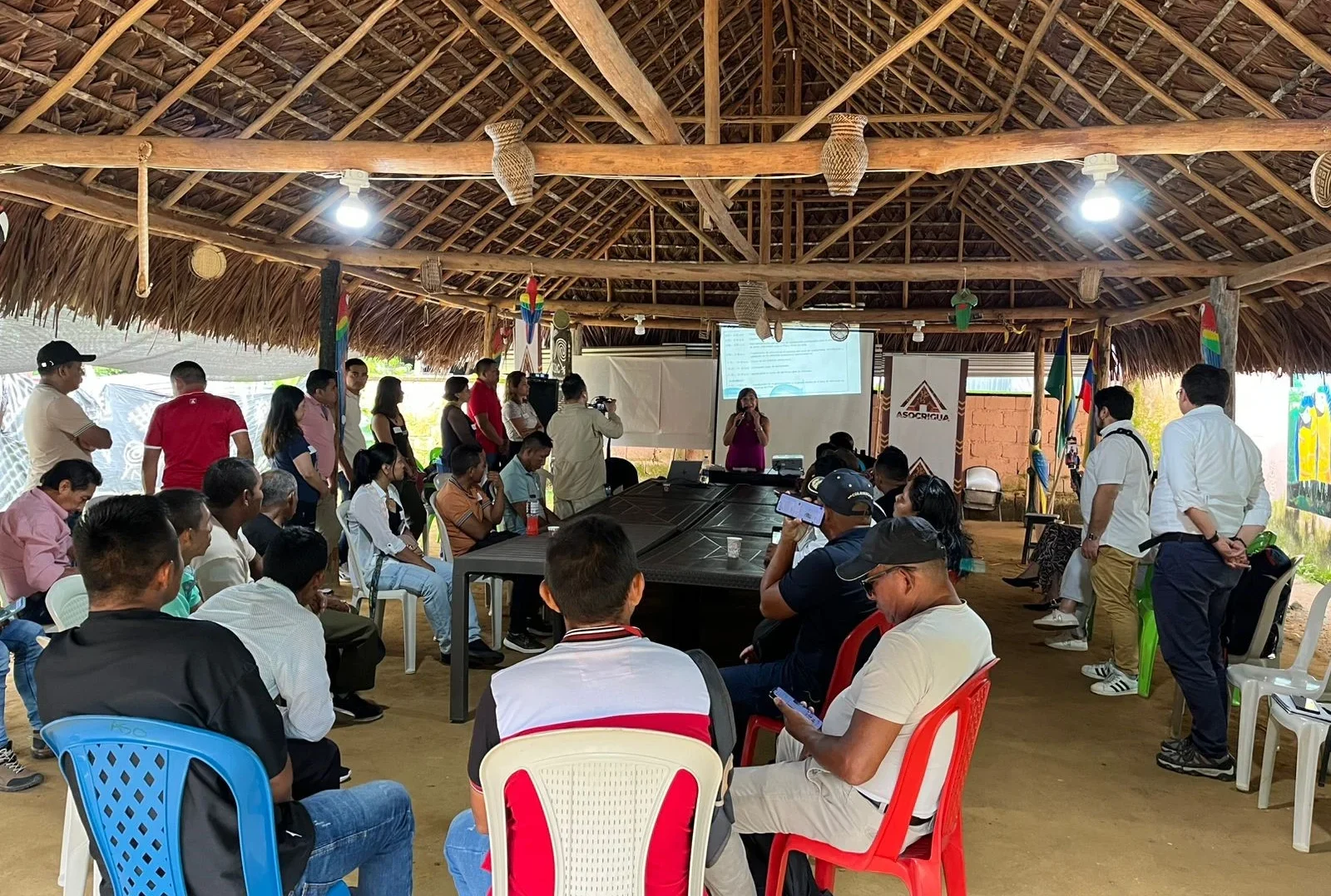
- Taller en Guainía
-
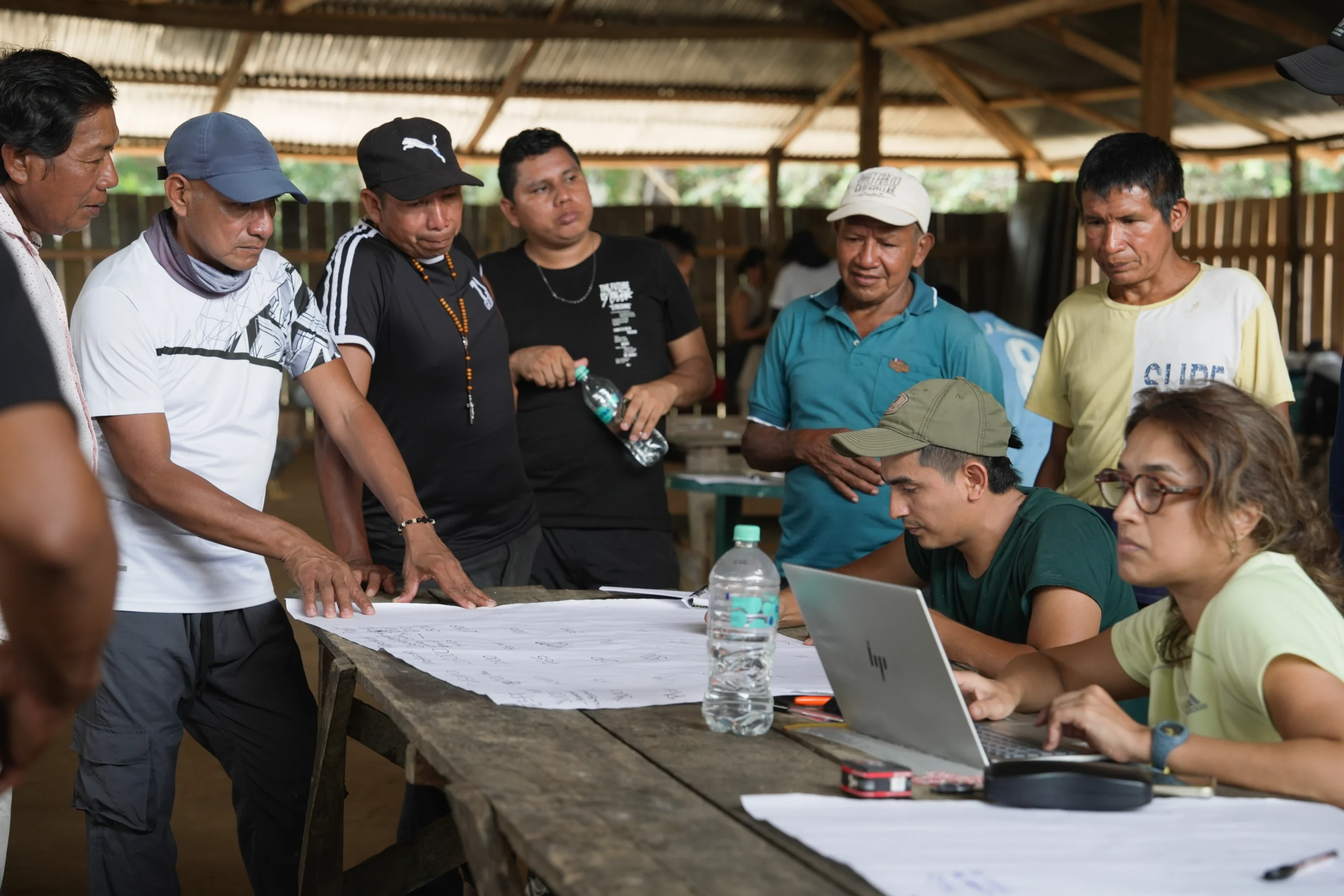
- Taller en Vaupés
-
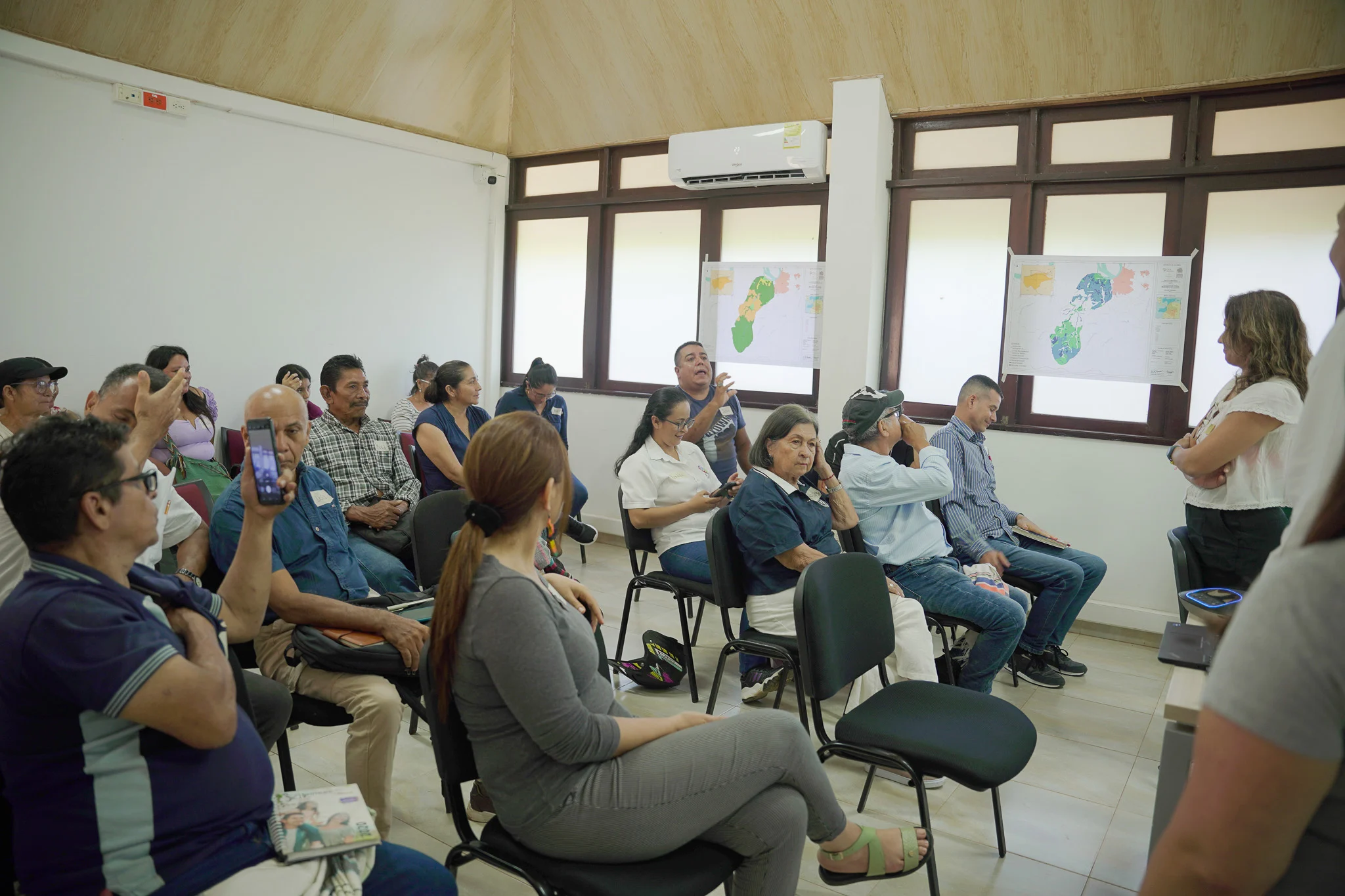
- Taller en Guaviare
One of the participants in this process was Hermes López, leader of the ASOYUMDA Association for Amazonian Productive Innovation YUMDA, who shared the perspective of Indigenous peoples on Amazon conservation during the workshops: “We do not simply live in the forest; we are part of the forest itself, because we consider the forest our home, our house. Our way of working is also a way of conserving, because we use only what is necessary and give the forest time to recover.”
Three territories, different responses to the same challenge
Although they shared a common methodology, the three schemes were developed based on the particularities of each territory. The priorities identified reflect the diversity of landscapes, cultures and challenges found in the Colombian Amazon.
In Guainía, the PES Scheme was structured around the Estrella Fluvial del Inírida, a complex of rivers, flooded forests and wetlands internationally recognized as a Ramsar Site and home to an extraordinary diversity of aquatic ecosystems. Building on this foundation, the scheme links the protection of these ecosystems with opportunities such as nature-based tourism and the sustainable use of biodiversity, with the aim of strengthening the livelihoods of Indigenous communities and contributing to the conservation of water-related ecosystem services.
In Guaviare, where the expansion of the agricultural frontier and deforestation place significant pressure on water resources, the scheme prioritizes the conservation and restoration of strategic areas, combining incentives for environmental protection with sustainable productive alternatives aimed at reducing forest conversion.
In Vaupés, the scheme places ancestral knowledge and Indigenous governance at its core. It recognizes ecological calendars, traditional territorial management and the close relationship between culture and nature as essential elements for ecosystem conservation and the protection of water sources.
Conservation and sustainable development hand in hand
The implementation of the three schemes will bring together two policies of the Ministry of Environment and Sustainable Development: Payment for Environmental Services (PES) and Green Businesses. While PES will provide economic recognition for conservation and restoration actions carried out by communities, the Green Business Policy will promote the strengthening of sustainable productive initiatives through technical assistance, organizational strengthening and value addition, generating income opportunities based on the responsible use of natural resources.
In this way, conservation incentives can be complemented by economic activities compatible with ecosystem protection, strengthening local capacities, diversifying sources of income and contributing to community well-being and the sustainability of the territories.
“The idea is for communities to receive resources for conserving and restoring these strategic ecosystems, and for those resources also to help strengthen their sustainable activities,” explains Alejandro Neira of the Green Business Office of the Ministry of Environment and Sustainable Development.
A legacy for water management in the Colombian Amazon
The participatory development of these three schemes represents one of the main outcomes of the Amazon Basin Project in Colombia. The documents provide a technical and participatory foundation for national authorities and Indigenous and community organizations to advance Payment for Environmental Services mechanisms that simultaneously promote the protection of water sources, biodiversity conservation and the strengthening of livelihoods compatible with keeping the forest standing.
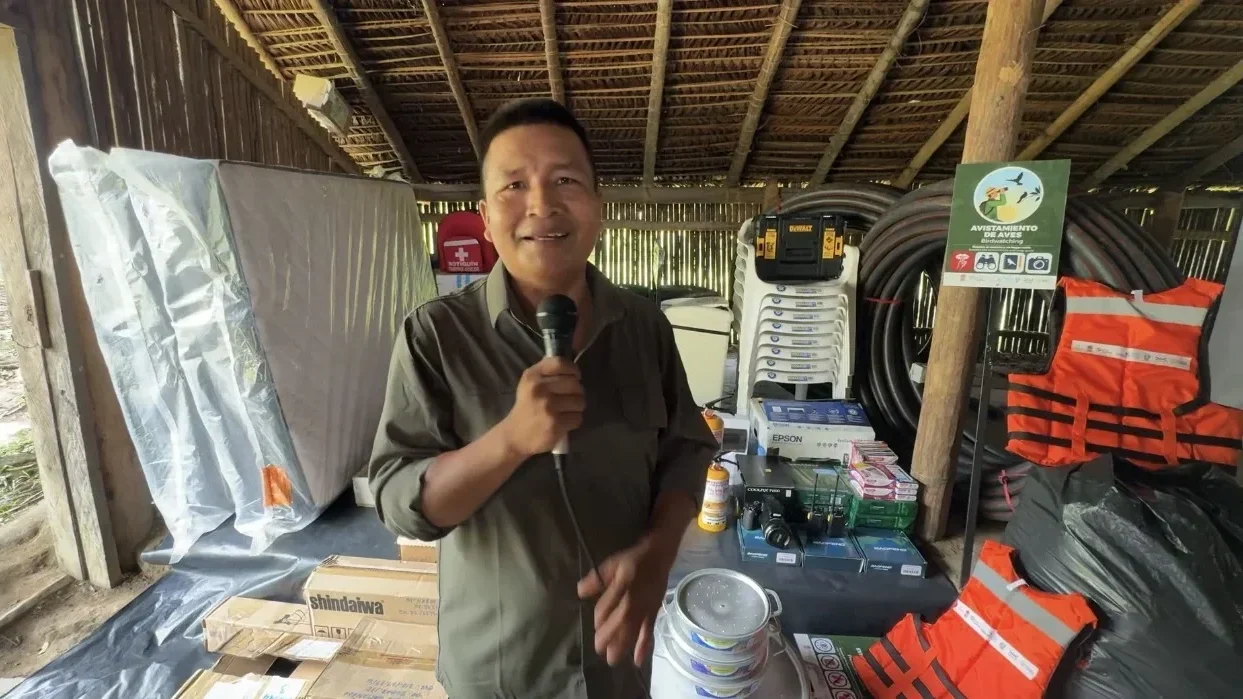
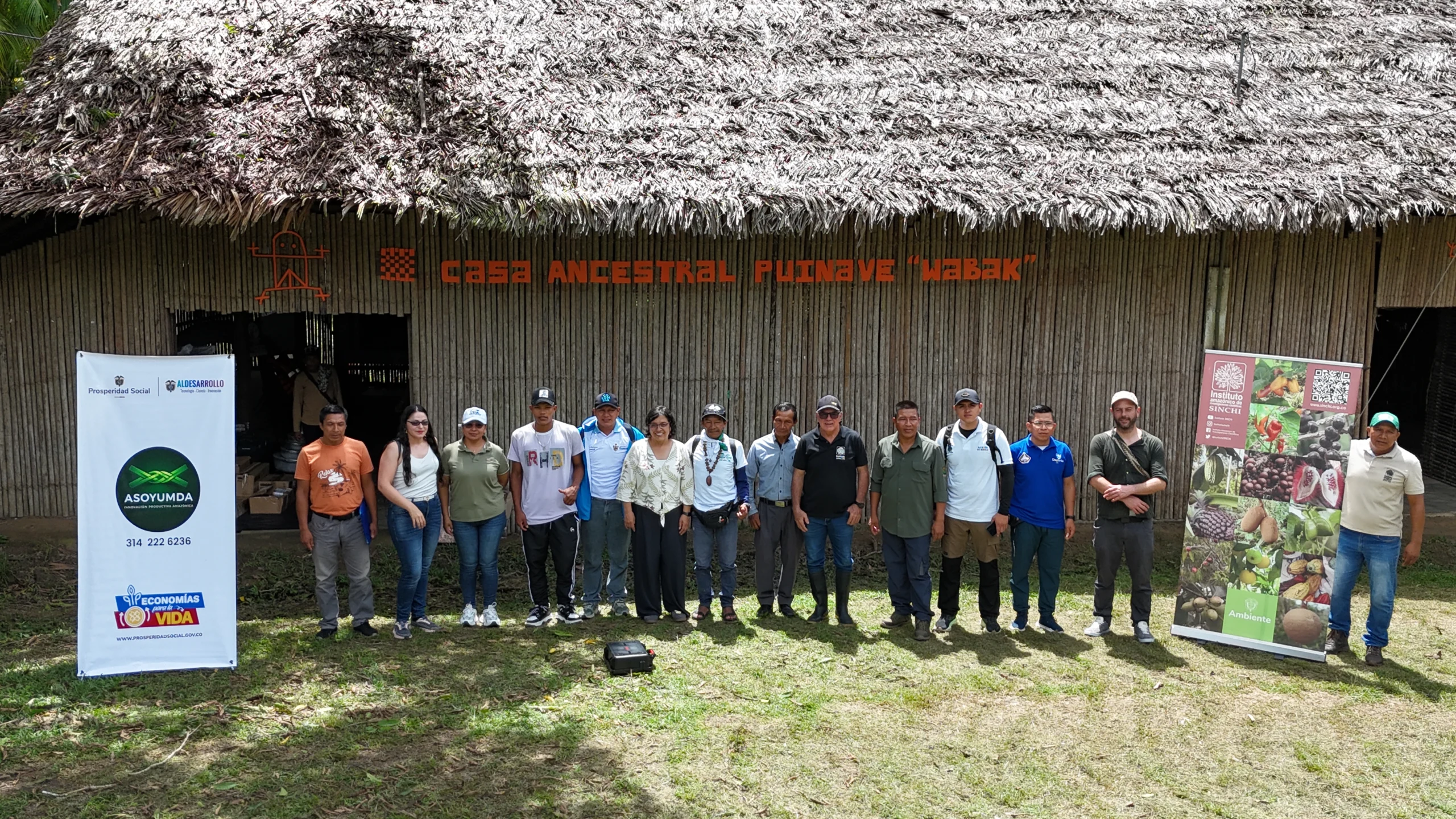
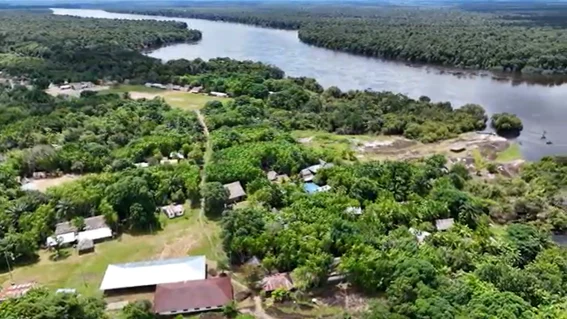
This commitment to conservation and sustainable development was reflected in the closing activities of the project in Guainía. As part of this final stage, the Ministry of Environment and Sustainable Development and the SINCHI Institute held a workshop for information sharing and contextualization in the Indigenous community of Caranacoa, located within the Estrella Fluvial del Inírida area. During the event, life jackets, flashlights and other equipment were provided to strengthen community-based nature tourism initiatives.
The handover symbolized the commitment of ACTO and Colombia’s Ministry of Environment and Sustainable Development to strengthening sustainable activities that create opportunities for communities and contribute to the protection of water resources, the conservation of biodiversity, and the sustainable development of the Amazon Basin.
-
- Screenshot
-
- default
-
- Vista aérea de la comunidad de Caranacoa.
Related news
25 de September de 2026
Colombia launched, in late July, the series of National Nexus WEFE Workshops to be held across the eight Member Countries [...]
23 de September de 2026
Communities from six locations in the Putumayo and Amazon River basins in Colombia participated in the development of a community-based [...]
22 de September de 2026
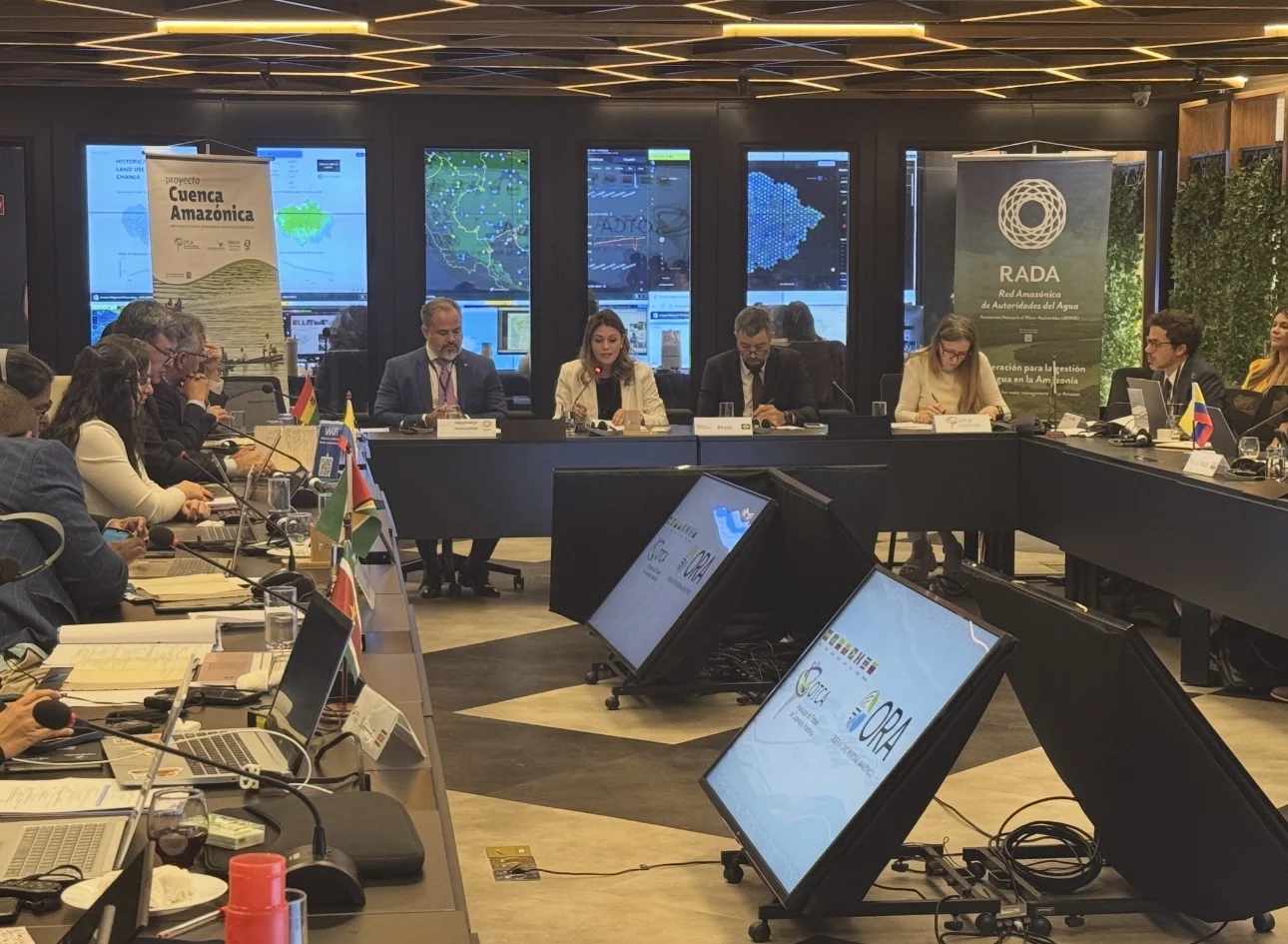
The Amazon Network of Water Authorities (ANWA) has approved its 2026–2028 Work Plan, which sets out the priorities and actions [...]
